

Creating a practical trading plan is one of the first steps beginners can take before entering the market. Without clear rules, trading can quickly feel confusing, especially when emotions, price movements, and quick decisions converge. Therefore, a well-structured trading plan for beginners helps you stay organized, understand your limits, and reduce impulsive choices.
For this reason, learning the essentials of a trading plan can make the process easier to manage. Clear entry rules, exit rules, risk limits, and review habits can help you build discipline. However, every market decision still carries risk, so a plan should guide your thinking rather than create false confidence.
This guide explains the key parts of a trading plan that is simple for beginners. As a result, you can understand the process with a careful, realistic, and risk-aware mindset. If market terms still feel confusing, start with stock market basics before building your first plan.
Disclaimer: This article is for educational purposes only. It does not provide financial advice, investment advice, trading signals, or guaranteed results. Trading involves risk, so readers should research carefully and make decisions based on their own financial situation.
Defining Your Trading Goals

To begin, identify what you want to learn and manage through trading. Your goals can act as a guide, helping you avoid unnecessary risks and stay focused on clear actions. As a beginner, aim for realistic and measurable targets that support careful decision-making.
- Decide on learning goals for daily, weekly, or monthly time frames.
- Figure out the percentage of your funds you feel comfortable placing at risk.
- Choose the type of trading that suits your schedule, whether that is day trading, swing trading, or long-term investing.
- Set review points to track your actions, mistakes, and improvements over time.
Choosing Your Preferred Market

Your practical trading plan should specify which market you want to study and follow. Each market, whether forex, stocks, crypto, or commodities, has different risks, timing, and price movement. Therefore, choose one that matches your learning level, schedule, and risk comfort. Before choosing a market, compare the 7 types of trading so your plan matches your time, comfort level, and risk limits.
- Select a market that aligns with your trading style and risk tolerance.
- Learn the trading hours and volatility patterns of your chosen market.
- Stay informed about news and events that may affect your selected market.
- Decide if you want to focus on one market first or study a few carefully.
Creating a Clear Trading Strategy
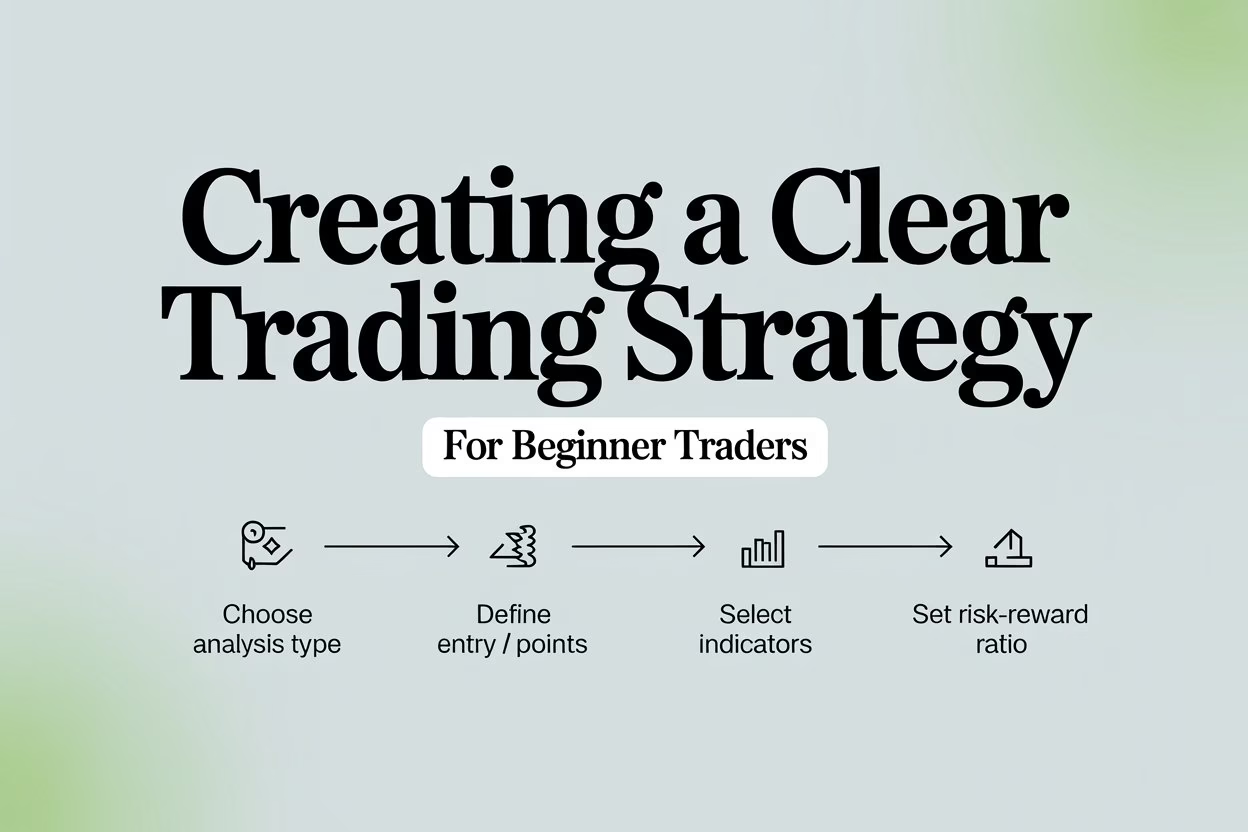
A trading plan for beginners needs a simple and easy-to-follow strategy. This strategy should explain how you will analyze, enter, and exit trades. As a result, you can make decisions through a planned process instead of reacting emotionally. If you want a short-term example can also read Day Trading for Beginners in 2024 before testing any strategy.
- Choose between technical analysis and fundamental analysis as your primary method.
- Clearly define your entry and exit points based on your chosen approach.
- Identify the indicators or tools that may support your analysis.
- Determine a risk-reward ratio that balances potential outcomes with acceptable risk levels.
Setting Risk Management Rules

Effective risk management is essential to any practical trading plan. Protecting your capital through careful rules can reduce the impact of losses. Since markets can move quickly, your plan should explain how much risk you can accept before entering any trade. To strengthen this section, read these AI trading safety rules for beginners because risk limits matter even when tools support analysis.
- Decide on a maximum percentage of your capital to risk per trade.
- Use stop-loss orders to limit potential losses automatically.
- Avoid over-leveraging, as it can increase losses if the market moves against you.
- Review your risk tolerance over time because it may change with experience.
Understanding Trading Psychology in a Trading Plan for Beginners

Managing your mindset is an important part of any trading plan for beginners. Emotions like fear and greed can affect decisions and lead to impulsive action. However, a clear plan can help you pause, review your rules, and approach each trade with a calmer mindset.
- Follow your trading plan for beginners consistently to reduce impulsive choices.
- Practice patience and wait for trades that align with your defined strategy.
- Use stress-relief techniques to maintain a calm and focused mindset.
- Keep a journal of your emotions during trades so you can identify patterns and improve control over time.
Creating a Routine for Consistency

Consistency helps keep your trading process organized. A routine that fits your lifestyle can make trading feel less chaotic and easier to review. Therefore, your plan should include time for learning, analysis, decision-making, and breaks. If you use automation or AI tools, these AI-powered trading strategies 2026 explain how tools can support structure without replacing your rules.
- Develop a daily routine that includes market analysis and news updates.
- Set specific times for trading and try to avoid distractions during that period.
- Take regular breaks to keep yourself clear and focused.
- Adjust your trading plan weekly or whenever your schedule or risk comfort changes.
Reviewing and Adjusting Your Trading Plan

For any trader, especially beginners, it’s important to create a trading plan that can adapt over time. Markets change, and your understanding may also improve with practice. Therefore, review your approach regularly instead of assuming one plan will always fit every situation. For advanced readers, Quantum Trading Strategies 2026 can help explain scenario-based thinking and careful market planning.
- Review your trading plan regularly to see whether it matches your learning goals.
- Analyze your trades to identify where you can make careful improvements.
- Keep learning about new strategies or tools, but test them before using real money.
- Use each trade as an opportunity to review your process and refine your approach.
Tracking Your Progress and Staying Accountable

A practical trading plan includes rules, strategy, and regular tracking. Keeping a close eye on your trades and results helps you understand what is working and what needs attention. Moreover, tracking can show repeated mistakes, emotional patterns, and areas where your process needs improvement.
- Maintain a trade journal to record your entry and exit points, reasons for each trade, and outcomes. This habit also supports stronger trading plan essentials because it helps you review decisions with better clarity.
- Regularly assess your performance to identify patterns in both profitable and unprofitable trades.
- Set aside time each month to compare your results with your original goals.
- Use metrics such as win-loss ratio and average result per trade to review your progress carefully.
Sticking to Your Plan Under Pressure

Following your trading plan for beginners during stressful market moments can feel challenging. Markets can shift suddenly, and quick price movement may tempt you to make rushed decisions. However, a clear plan can help you step back, review your rules, and avoid emotional trading.
- Practice discipline by following your plan, even when the market is volatile.
- Remind yourself that consistency supports better decision-making and may reduce unnecessary risks.
- Take a step back during stressful moments so you can refocus on your strategy.
- Remember that patience is the key, especially when market opportunities appear to move quickly.
Ready to Build A Practical Trading Plan?
Start by creating a trading plan that matches your goals, schedule, risk comfort, and learning level. A practical plan should help you make calmer decisions, avoid impulsive trades, and review your actions with honesty.
A clear trading plan can support discipline, but it cannot promise profit or steady results. Markets can move quickly, so focus on risk control, regular review, and careful learning before making any trading decisions.
Note: A trading plan can help beginners stay organized, but it cannot guarantee profits or remove market risk. Use this article for learning and planning only, not as financial advice.
FAQs
What is a trading plan, and why do I need one as a beginner?
A trading plan for beginners is a structured approach to trading. It outlines goals, strategies, risk limits, and review habits so beginners can make decisions through rules instead of impulse.
What are the essential components of a practical trading plan?
Key trading plan essentials include defining your trading goals, setting entry and exit points, creating risk management rules, and maintaining a consistent routine. Each part helps create a clearer trading process.
How can a trading plan support better decisions?
A practical trading plan guides each trading decision and helps reduce impulsive choices. When you follow a structured plan, you can make decisions based on rules instead of emotions.
What should I focus on when creating a trading plan for beginners?
When making a trading plan for beginners, focus on realistic goals, a suitable trading style, clear risk limits, and simple analysis methods. These elements can guide your learning process.
How to create a trading plan that fits my lifestyle?
To create a trading plan that fits your daily routine, set trading hours that work with your schedule. Then, choose markets you can follow closely without feeling pressured to monitor them constantly.
Why is risk management crucial in a trading plan?
Risk management is one of the most important trading plan essentials. It helps you limit how much capital you risk on each trade and reduces the chance of large losses.
Can a practical trading plan adapt over time?
Yes, a practical trading plan should change as market conditions, experience, and personal risk comfort change. Regular review helps keep the plan relevant and realistic.
What role does psychology play in a trading plan for beginners?
Trading psychology plays a major role in a trading plan for beginners. Managing emotions like fear and greed can help traders follow their plan instead of reacting to market swings.
How often should I review my trading plan?
Regular reviews should form part of your trading plan essentials. Set aside time each month to review your trades, check patterns, and make careful changes where needed.
Is it difficult to learn how to create a trading plan?
Learning how to create a trading plan becomes easier when you break it into steps. Start with goals, market choice, strategy, and risk rules, then refine the plan with practice.