
Starting with the stock market can feel confusing when you see too many terms, charts, and opinions at once. However, learning stock market basics for beginners can help you understand how shares, risk, diversification, and investment planning work before making any financial decision.
Talking about how to invest in stocks for beginners might feel overwhelming at first. Therefore, focus on basic knowledge, clear goals, risk awareness, and steady learning. These seven tips can help you understand the process with a careful and realistic mindset.
Disclaimer: This article is for educational purposes only. It does not provide financial advice, investment advice, stock recommendations, trading signals, or guaranteed returns. Stock market decisions involve risk, so readers should research carefully and make choices based on their own financial situation.
If you want a broader comparison, you can explore the main trading styles before choosing any market approach.
1. Set Clear Financial Goals

Setting clear financial goals helps you understand why you want to learn about investing. A well-structured approach can support beginner stock investing strategies that match your needs, timeline, and risk comfort. Whether you are planning for retirement, education, or long-term financial awareness, clear goals can guide your decisions carefully. The SEC also provides an official investing guide that can help beginners understand key concepts before making financial decisions.
Knowing your purpose can help reduce impulsive decisions and keep your learning process organized. Setting specific, measurable, and realistic goals can help you review your choices with better clarity.
- Identify your investment horizon (short-term or long-term).
- Define how much risk you’re comfortable taking and adjust your strategy as needed.
- Establish a budget for your investments to ensure financial stability without impacting daily expenses.
- Decide whether you want to invest actively or passively to align with your goals and lifestyle.
2. Educate Yourself on Stock Market Basics for Beginners

To truly grasp stock market basics for beginners, you need to learn about the various types of stocks and investment strategies. Stocks can be categorized by market capitalization, sector, or growth potential. Understanding these differences helps build a balanced portfolio and avoid unnecessary risks.
According to Investor.gov, stocks represent ownership in a company, which helps explain how the market works at a basic level.
- Blue-chip stocks: Large, established companies with a long operating record. Their prices can still move up or down with market conditions.
- Growth stocks: Companies expected to expand faster than others. These can carry a higher risk because expectations may change.
- Dividend stocks: Shares that may provide dividend payments when companies distribute part of their profits. Dividends are never guaranteed.
- Index funds and ETFs: Diversified options that track a market index or basket of assets. They can reduce single-stock exposure, but market risk remains.
3. Start Small and Diversify

One useful stock market tip for beginners is to start small and understand diversification. Instead of placing all your money in one stock, spreading investments across different sectors or asset types can reduce single-stock exposure. However, diversification cannot remove market risk completely. A diversification guide from Investor.gov explains how spreading investments across assets can help manage overall exposure.
- Begin with a modest amount so you can learn the process without taking an uncomfortable risk.
- Diversify across different sectors to reduce dependence on one industry.
- Study domestic and international exposure carefully before expanding your portfolio.
- Consider mutual funds or ETFs only after understanding their costs, risks, and structure.
SEBI highlights key market risks that investors should review carefully before participating in the securities market.
4. Develop a Solid Investment Plan

A clear investment plan can help you stay disciplined and reduce emotional decision-making. Learning how to invest in stocks for beginners becomes easier when you create rules for budget, risk, time frame, and review. A plan should guide your decisions, but it cannot guarantee results.
A practical trading plan can help connect your goals, budget, risk comfort, and review routine.
- Choose a mix of stocks that match your risk tolerance, time frame, and learning level.
- Reinvesting dividends may support compounding over time, but results depend on market conditions.
- Set automatic contributions only if they match your budget and financial comfort.
- Review your portfolio regularly so it remains closer to your goals and risk comfort.
5. Be Mindful of Investment Costs
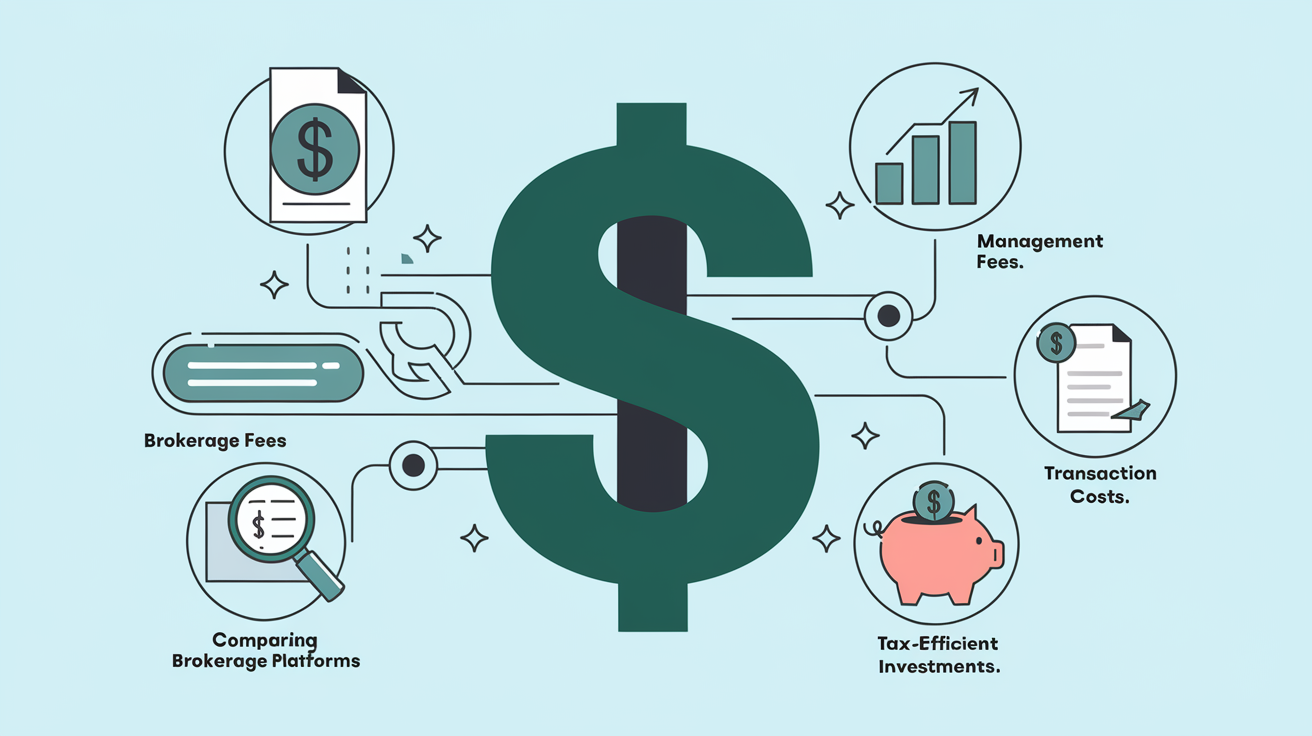
Costs can affect your returns over time, so understanding fees matters. These may include brokerage fees, management fees, transaction costs, and fund expense ratios. Learning how to invest in stocks for beginners also means comparing costs carefully before choosing a platform or product.
- Compare different brokerage platforms for their fee structures, ensuring you pick one that aligns with your investment habits and frequency.
- Look for no-commission trading options that can save you money on frequent transactions, especially if you plan to trade often.
- Be aware of management fees associated with mutual funds and consider low-cost index funds or ETFs for better value.
- Choose tax-aware investment options when suitable, and understand how taxes may affect your net result.
6. Stay Patient and Keep Learning

Investing should never be treated as a quick income shortcut. Practicing beginner stock investing strategies requires patience, research, and ongoing education. The more you learn, the easier it becomes to make careful decisions based on facts instead of emotions. For a stronger base, this detailed guide on stock market basics can help you understand common terms before making decisions.
- Read reliable investment guides, financial books, and reputable articles to deepen your understanding of market dynamics.
- Follow financial news and market updates to stay informed and react appropriately to changes in the economic landscape.
- Stay updated on economic trends and their possible impact on stocks, but avoid assuming that trends predict future results.
- Learn from mistakes and refine your approach slowly, because market learning improves through review and practice.
7. Manage Your Emotions with Stock Market Basics for Beginners

An important stock market tip for beginners is to manage emotions while investing. Markets can move quickly, and emotional decisions can lead to poor choices. Staying calm and following a clear plan can help you respond with better awareness during market ups and downs. Readers who want to understand short-term pressure can read Day Trading for Beginners in 2024 with a cautious mindset.
- Avoid making impulsive decisions during market fluctuations, as these often lead to preventable losses.
- Don’t let fear or greed drive your choices; maintaining a balanced perspective helps you stay objective and focused on your strategy.
- Use tools like stop-loss orders to protect your investments and limit potential losses, which can provide peace of mind.
- Remember that a steady approach can reduce emotional reactions, but it cannot remove market risk.
Additional Stock Market Tips for Beginners
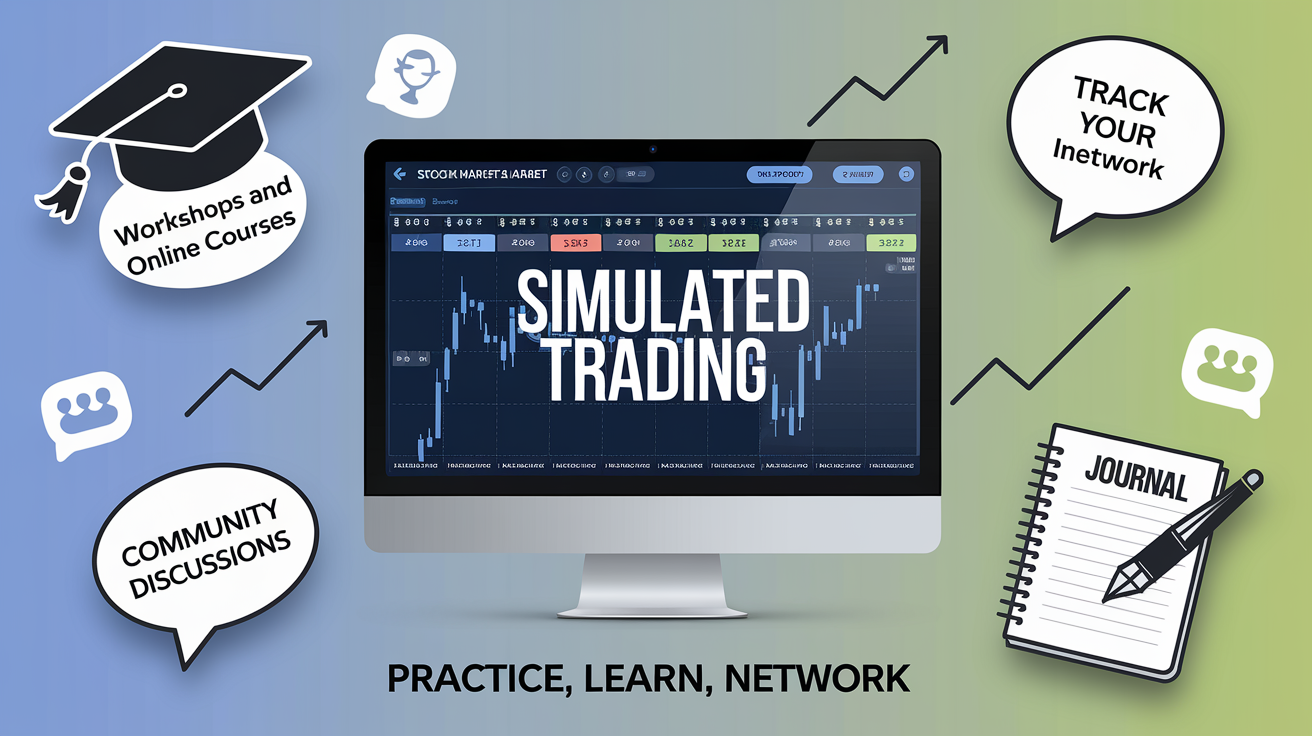
To strengthen your grasp of stock market basics for beginners, consider practicing with simulated trading platforms. These tools allow you to make virtual investments without real financial risk, helping you understand market trends and practice decision-making. Engaging in community discussions and forums can also provide insights and answers to questions you may have as you begin investing. These AI trading safety rules for beginners can also help you understand why tools should support learning, not replace risk control.
- Use a stock market simulator to gain hands-on experience and build confidence before investing real money.
- Participate in investment workshops or online courses to expand your knowledge and learn from seasoned experts.
- Network with other beginner investors to share knowledge, tips, and lessons learned, fostering mutual growth.
- Keep a journal to track investment decisions, reasoning, and outcomes for future reference and strategy improvement.
Staying informed matters when learning how to invest in stocks for beginners. It can help to set aside regular time to review your portfolio, read reliable market information, and understand current conditions. Consistent learning can make the process easier to manage, but every investment choice still needs careful research.
Conclusion
Starting with stock market basics for beginners can make investing terms, risks, and planning steps easier to understand. These seven tips can help you learn how goals, diversification, costs, emotions, and regular review shape an investment approach.
However, stock market learning should always stay realistic. Prices can rise or fall, and no strategy can remove risk completely. Therefore, focus on education, trusted sources, careful planning, and decisions that match your own financial situation.
Note: Stock market basics can help beginners understand key concepts, but they cannot remove market risk. Use this article for learning only, not as financial advice or a promise of results.
FAQs
What are the stock market basics for beginners?
Stock market basics involve understanding how stocks work, the types of stocks, and basic investment principles.
How can I get started with the stock market?
Begin by educating yourself on investment strategies, setting clear goals, and choosing a brokerage that fits your needs.
What are some beginner stock investing strategies?
Beginner stock investing strategies may include learning first, starting small, diversifying carefully, and reviewing risk before making financial decisions.
Why is learning how to invest in stocks for beginners important?
It helps beginners understand basic terms, risks, and planning steps before making investment choices.
What stock market tips for beginners should I follow?
Start with clear goals, learn basic terms, manage risk, avoid emotional decisions, and continue learning from reliable sources.
Is there a stock market guide for beginners I should read?
Yes, there are many reputable guides available online and in bookstores that cover essential topics for beginners.
How do I choose the best beginner stock investing strategies?
Compare your goals, risk comfort, time frame, and budget before choosing any investing approach.
What should I know before getting started with the stock market?
Understand market trends, investment options, and diversifying your portfolio.
Are there specific stock market basics for beginners I should master first?
Yes, start with learning about different types of stocks, how to read stock charts, and fundamental analysis.
What are the initial steps for learning stock market basics for beginners?
Start by reading investment books, attending workshops, and using stock simulators to practice without financial risk.