Getting into real estate looks glamorous from the outside. Then the real work begins. Leads come in from random places, messages pile up, documents move slowly, and your day starts feeling like a messy group chat with no admin. That is exactly why real estate tools for beginners matter so much in 2026.
You do not need a giant software stack to look professional. You need the right seven tools, set up in the right order. NAR’s 2025 technology survey shows that eSignature, social media, and CRM tools remain central to how real estate professionals work, while Salesforce’s 2026 sales research shows AI has become the top growth tactic for sales teams. So, the smartest beginner move is simple: stay visible, stay organized, and move fast without looking robotic.
Google Business Profile

Your first real estate tool is not flashy. It is a solid Google Business Profile. When someone hears your name and searches for you, that profile can show your services, reviews, photos, hours, and contact details in one place. Google also makes it clear that service area businesses can use one profile for the central office or base location, which matters for agents who meet clients across an area instead of working from a walk-in storefront. This makes local visibility one of the smartest early moves.
For a clearer look at setup basics, Google Business Profile Setup: Local SEO Made Simple breaks down the steps in a simple way, while 15 Best SEO Tips for Consistent Google Rankings explains how stronger search visibility supports steady traffic.
- Show your service area clearly and keep it realistic.
- Add fresh photos so your profile stops looking abandoned.
- Ask for reviews early, especially after smooth client interactions.
- Keep your phone, email, and website details perfectly consistent.
CRM Tools
CRM (Customer Relationship Management) software is the tool that prevents promising leads from vanishing into screenshots, sticky notes, and half-remembered WhatsApp chats. A platform such as HubSpot CRM provides contact management, task tracking, email tools, meeting scheduling, and a central place to track every lead. It matters because real estate is a follow-up business.
NAR’s latest survey found that social media was the top lead-generating tech, while CRM came next, which says a lot: attention may start on social, yet real progress happens when you track people properly. So, if your follow-up feels messy, a CRM will calm your whole workflow. For a broader look at systems that reduce repetitive work, 10 Best Business Automation Tools to Streamline Success covers useful options for managing business tasks more smoothly.
- Store every lead in one place from day one.
- Tag buyers, sellers, investors, and renters separately.
- Set follow-up reminders before memory lets you down.
- Track where inquiries actually come from each week.
eSignature Tools: One of the Easiest Real Estate Tools for Beginners
A deal can lose momentum very quickly when paperwork drags. That is why an eSignature tool such as DocuSign eSignature earns its place early. DocuSign says electronic signatures are legally enforceable for most business and personal transactions worldwide, and NAR reports eSignature as the most used real estate technology in its 2025 survey. That lines up with real life.
Clients do not want to print, scan, and resend one document five times. They want quick movement, clear steps, and less friction. So, when you use digital signatures well, you look organized, modern, and easier to work with, which matters a lot when you are still building trust.
- Use clear file names instead of “final latest.”
- Send one clean version, not five confusing attachments.
- Add signature steps in the right order before sending.
- Keep templates ready for repeat paperwork.
Social Media Tools
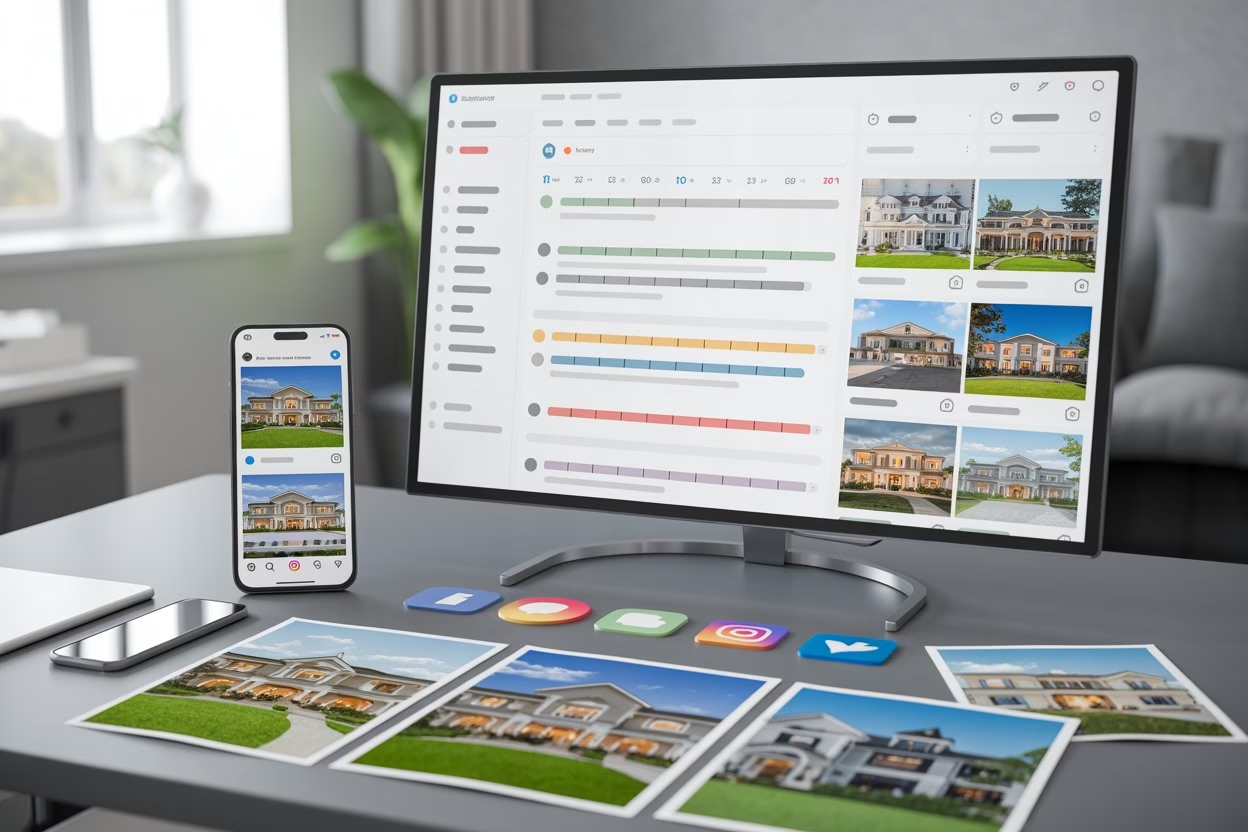
Real estate beginners often burn out on content because they treat social media like a daily performance. It works better as a system. Meta Business Suite gives you one place to manage Facebook, Instagram, and Messenger, while Meta’s scheduling tools also help you plan posts, Stories, and Reels ahead of time.
NAR’s (National Association of Realtors) technology survey still considers social media among the most used and most lead-generating tools in the business, so staying visible still matters. The smarter play, however, is consistency. A few strong local posts each week will do more than random bursts followed by silence.
If you wish to explore automation and buyer behavior, you can have a look at Top E-commerce Automation Tools Sellers Need in 2025 and Zero-Click Shopping: How AI Orders Before You Do for a wider view of how digital systems shape online decisions.
- Batch content on one day instead of posting in panic.
- Reply to DMs fast because silence kills warm leads.
- Share local insights, not generic motivational fluff.
- Reuse one idea across reels, stories, and short posts.
Scheduling Tools for Real Estate Beginners
Back-and-forth scheduling wastes time and energy, especially when a lead is already warm and ready to talk. A booking tool such as HubSpot Meeting Scheduler lets prospects choose a time, syncs with calendars, and reduces awkward email chains. In plain terms, it removes tiny bits of friction that slowly drain deals. This tool helps even more in 2026 because people expect quick, self-serve options. They book cabs, doctor visits, and beauty appointments online. They expect the same ease from service businesses. So, when a lead can grab a slot in seconds, you look reliable without hovering over your inbox all day.
- Share your booking link in bio, email, and DMs.
- Keep buffer time between calls and site visits.
- Create separate slots for buyers and sellers.
- Confirm meetings automatically so fewer people vanish.
Website Builder Tools
Social pages can help you get noticed, yet your website is where you look settled, credible, and ready for business. A simple site or landing page gives people one clean place to learn who you are, which locations you serve, and how to reach you. Tools such as Canva’s real estate website templates make it easier to create a usable page even when design is not your strength.
Hocoos AI Website Builder: Everything You Need to Know gives a closer look at beginner-friendly website creation, while Liquid Web Design 2026: Why Every Screen Flows explains why smoother layouts feel better across modern devices. In 2026, people judge your digital presence fast, so your home base needs to feel trustworthy within seconds.
- Put your location and contact options above the fold.
- Add a short intro that sounds human and specific.
- Keep one clear call to action on each page.
- Make mobile viewing smooth because most people check on phones.
Document Storage Tools
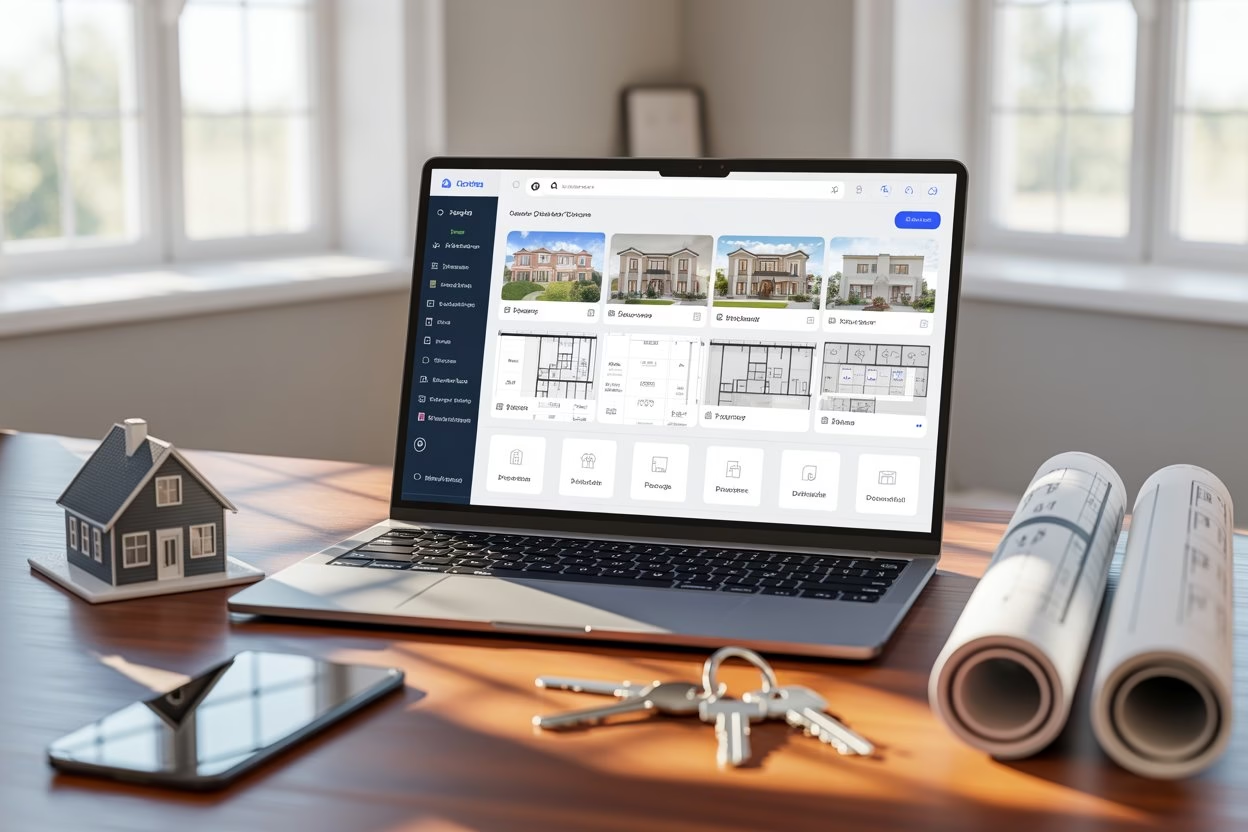
Messy files can quietly wreck your reputation. Wrong photos, missing brochures, old price sheets, and mixed-up document versions make clients nervous very quickly. That is why cloud storage matters. Google Drive and shared drives give teams a place to store, access, and manage files together, while Google explains that shared drive files belong to the team instead of one person.
Even if you work solo right now, that structure still helps. Create folders by property, client, and document type. Keep standard checklists ready. Save approved photos separately from rough material. When your files stay clean, your day feels lighter, and your communication becomes sharper.
- Create one folder rule and stick to it.
- Label files by property, date, and purpose.
- Save final photos away from raw phone dumps.
- Keep editable templates separate from sent documents.
Smart AI Solutions: One of the Reliable Real Estate Tools for Beginners
AI has become part of the sales stack, and Salesforce says it is the top tactic for growth in 2026. That does not mean you need ten AI apps by Friday. It means you should use AI where it saves time without flattening your voice. Draft listing copy faster. Turn one market update into a reel caption, email, and carousel. Clean up repetitive admin work. Still, keep your local tone, your judgment, and your people skills in charge.
The real edge in 2026 is not buying every tool. The real edge is knowing the order. Start with visibility. Then organize leads, remove friction, and strengthen your digital presence. That simple ladder is the part many online lists miss, and it is exactly what keeps your setup lean and useful.
- Use AI for drafts, not the final truth.
- Fact-check every property detail before publishing.
- Keep your tone natural and location aware.
- Add tools in stages instead of downloading everything.
For Realtors Ready to Grow
Real estate still runs on trust, speed, and follow-up. When your foundation feels strong, your confidence shows in every call, meeting, and message. Real estate tools for beginners are there to help you stay clear, prepared, and easier to trust. A smoother workday creates a better client experience, and that gives growth a stronger chance in 2026.
Realtors who start with the right systems waste less time, miss fewer leads, and build momentum faster. So, choose the tools that solve real problems, set them up with purpose, and give your business the kind of start that feels steady, professional, and built for growth.
Take your first smart step today. Pick two tools from this list, set them up this week, and give your real estate business a stronger, sharper start in 2026.
FAQs
Which tool should a beginner set up first?
Start with Google Business Profile first. It helps people find you quickly, builds local trust, and gives your name a stronger digital presence before your content and referrals start growing.
Do beginners really need a CRM so early?
Yes, because leads get messy fast. A CRM keeps names, notes, reminders, and deal stages together, so follow-ups feel calm, consistent, and far less dependent on memory.
Is a website necessary in the beginning?
Yes, even a simple one-page site helps. It gives prospects one trusted place to check your services, area, contact details, and overall professionalism before reaching out.
Can social media alone bring enough real estate leads?
Social media can bring attention, yet it works best with structure. You still need a profile, a CRM, and a website so interested people know where to go next.
Why is eSignature such a big deal in 2026?
It removes delays. Clients expect smooth digital processes now, so fast signing helps deals move more quickly, reduces confusion, and makes your workflow feel far more professional.
How many tools should a real estate beginner use at first?
Start with four or five core tools, not fifteen. Too many apps create noise. A lean stack gives better control, easier habits, and fewer chances to miss something important.
Is AI replacing real estate agents now?
No, AI helps with speed and admin work. Clients still choose people they trust, especially for guidance, negotiation, local insight, and decisions tied to money and emotion.
What kind of content should beginners post on social media?
Post local market snippets, simple property tips, area highlights, behind-the-scenes moments, and quick answers to common buyer questions. Useful content gets remembered far longer.
Should file storage really be treated like a main tool?
Yes, absolutely. Clean file systems reduce mistakes, save time, and make you look reliable. File confusion creates stress fast, especially when clients need quick answers.
What is the smartest way to build a tool stack?
Build in order. First, get found. Then track leads. Next, remove friction. After that, improve scheduling, content, and files. This order keeps your setup practical and affordable.