

Are you trying to understand the main types of trading and which style may suit your time, risk comfort, and learning level?
With so many options, it can feel confusing to choose a trading style. A clear comparison can help you understand how each method works, what kind of time it needs, and what risks may come with it. Therefore, the right starting point should match your routine, patience, and ability to handle market movement.
Each trading style has its own rhythm, risk level, and time commitment. Some methods require quick decisions, while others suit people who prefer slower analysis and longer holding periods. This article explains the 7 types of trading in a simple way so you can learn the differences before making any financial decision.
Disclaimer: This article is for educational purposes only. It does not provide financial advice, investment advice, trading signals, or guaranteed returns. Trading involves risk, so readers should study carefully and make decisions based on their own situation.
Before comparing trading styles, you may also want to understand stock market basics so the terms feel easier to follow.
1. Day Trading
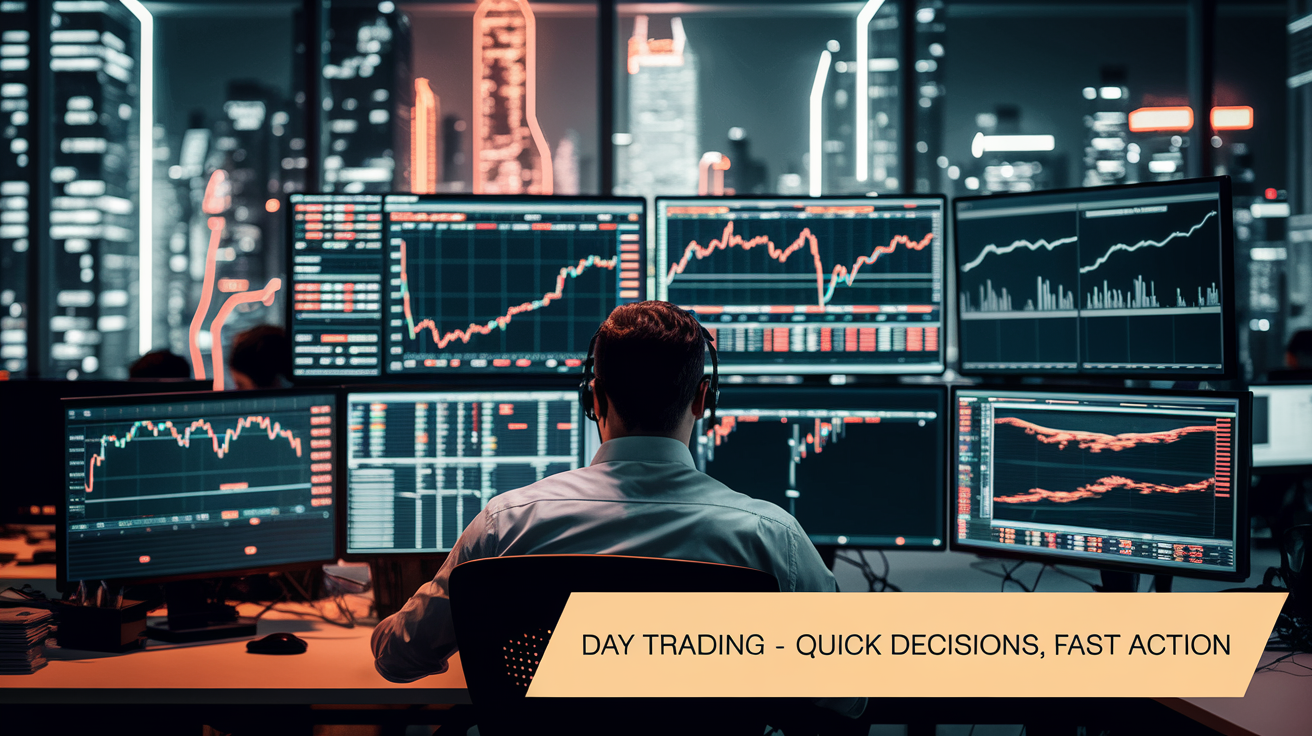
Day trading focuses on buy and sell decisions within a single trading day. It is a quick-moving approach that looks at short-term price movements, so it requires focus, discipline, and strict risk control. Among the various types of trading, day trading stands out for its speed and intensity. The U.S. SEC also explains why day trading risks deserve serious attention before anyone starts.
Pros:
- Short-term price movement: This style helps traders study intraday market movement within minutes or hours.
- No overnight holding: Positions usually close before the market day ends, which reduces overnight exposure.
- Active market learning: It keeps traders closely involved with charts, price action, and market updates.
Cons:
- High time demand: It needs focused attention during market hours, so it may feel difficult for casual traders.
- Mental pressure: Quick decisions can become stressful, especially during volatile sessions.
- Loss risk: Frequent trades can increase losses when risk rules are weak or ignored.
Who It’s For
Day trading may suit people who can give focused time to the market and handle quick decisions with discipline. It also requires strong risk limits and emotional control.
For a deeper explanation of short-term trading habits, read this guide on day trading for beginners in 2024.
2. Swing Trading
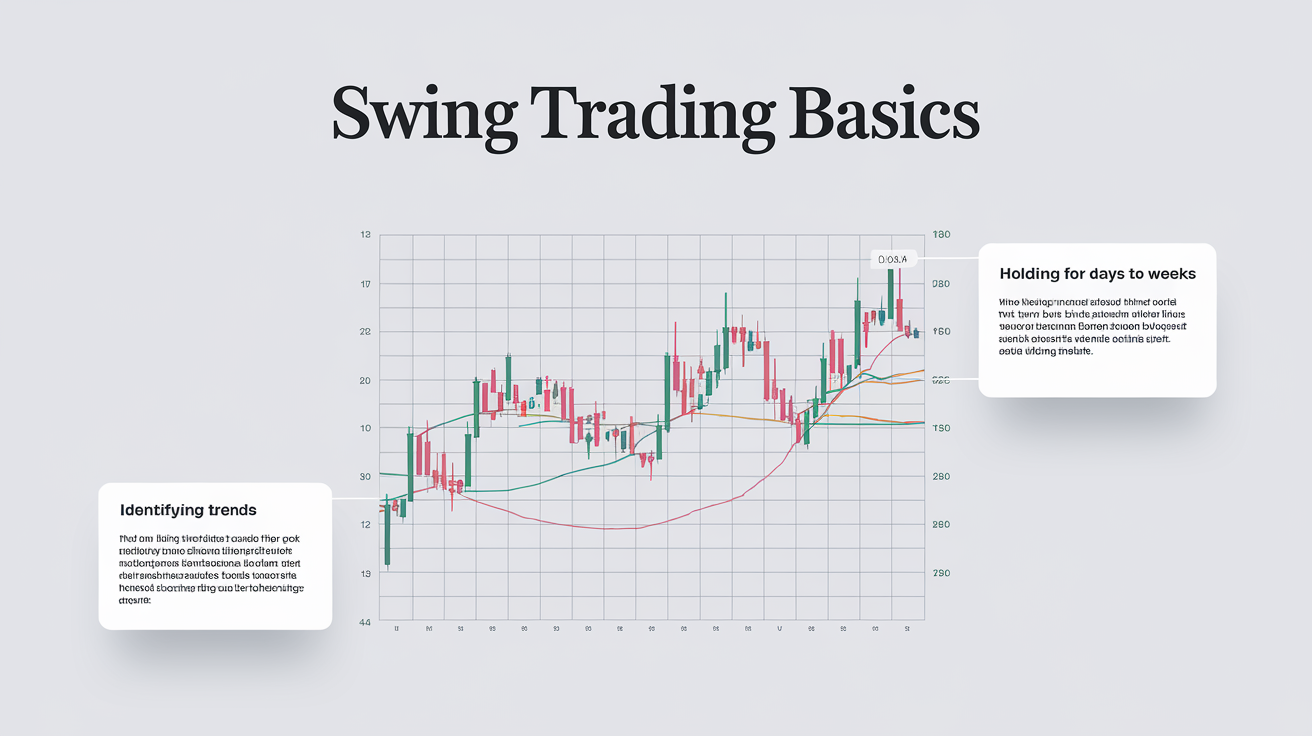
Swing trading involves holding assets for days or weeks to study short to medium-term price movement. It moves more slowly than day trading, so traders can focus on patterns and trends without watching the market every minute.
Pros:
- Balanced pace: This style gives traders time to study price movement without constant screen watching.
- Flexible routine: It may suit people who cannot monitor markets throughout the day.
- Trend observation: It helps traders study price swings over several days or weeks.
Cons:
- Susceptible to Overnight Risks: Events happening after hours can impact held positions.
- Longer Wait for Results: Patience is needed, as gains aren’t immediate.
- Trend Dependency: Requires market awareness to recognize trends accurately.
Who It’s For
Swing trading may suit part-time learners or traders who prefer a slower pace than day trading. It can work for people who want time to review charts and manage risk carefully.
3. Scalping

Scalping is an ultra-short-term style where traders take multiple small trades within the day. This approach focuses on very small price movements, so it needs speed, concentration, and clear exit rules. FINRA’s explanation of day trading rules can help readers understand why margin-based trading needs extra caution.
Pros:
- Small trade size: Scalping often uses small moves, so each trade needs strict risk limits.
- Quicktrade review: Traders can review many setups within one session.
- Limited market exposure: Positions usually stay open for a short time, which reduces exposure to larger moves.
Cons:
- High Transaction Costs: In certain types of trading, numerous trades can add up to significant fees.
- Demanding Focus: Requires intense concentration and speed.
- Mentally Exhausting: Scalping can be draining due to the quick decision-making.
Who It’s For
Scalping may suit detail-focused traders who can stay alert and follow rules under pressure. It requires speed, discipline, and careful control of transaction costs.
4. Position Trading as One of the Popular Trading Styles
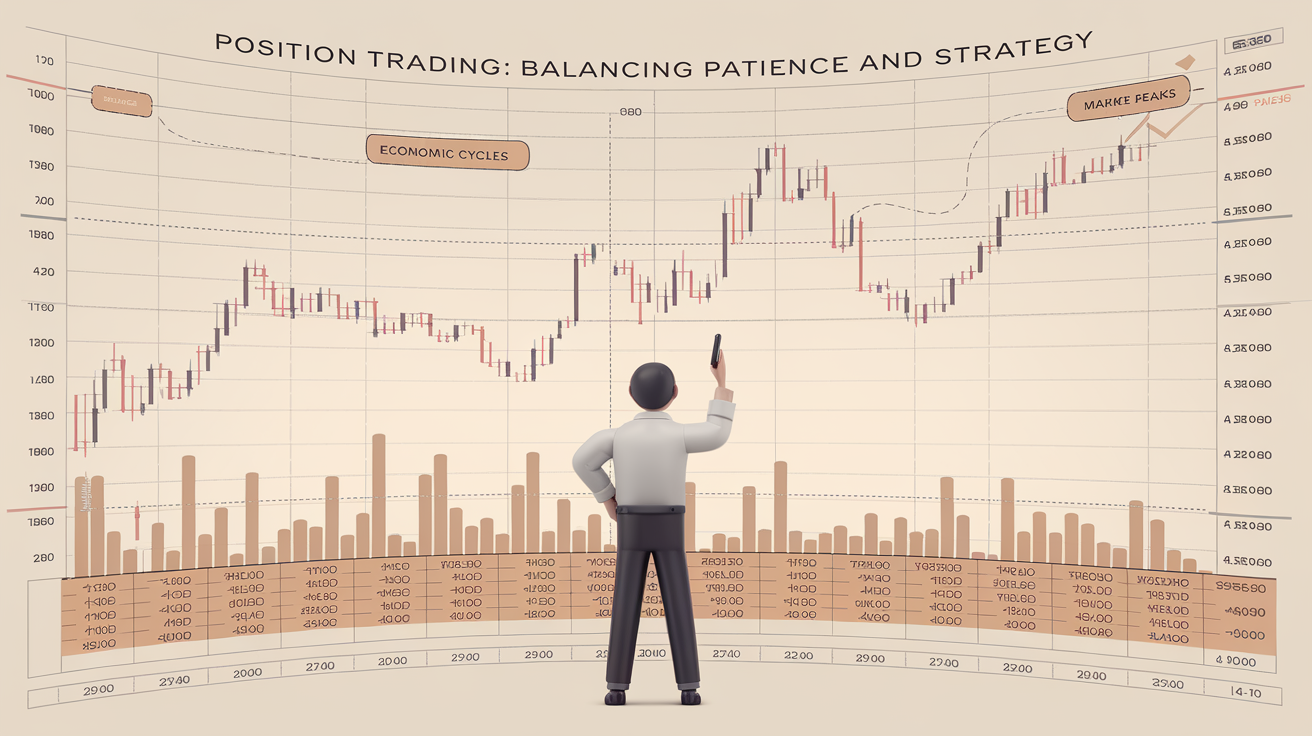
Position trading is a long-term approach where traders hold assets for months or even years. It is a prime example of balancing long-term vs. short-term trading strategies, focusing on large-scale price movements rather than short-term fluctuations.
Pros:
- Less daily involvement: Long-term trades usually need less frequent monitoring.
- Larger market view: This style focuses on wider price trends rather than short-term noise.
- Lower time pressure: It may suit people who prefer patient analysis over fast decisions.
Cons:
- Capital commitment: Funds may stay tied up for longer periods.
- Long waiting period: Traders may need patience before seeing meaningful movement.
- Market fluctuation risk: Long-term positions can still move against expectations.
Who It’s For
Position trading appeals to those with a patient, long-term mindset who don’t mind market fluctuations. It’s a preferred choice for those focusing on long-term vs. short-term trading strategies.
5. Momentum Trading

Momentum trading focuses on assets that show strong upward or downward movement. Traders study trend strength and try to act while momentum remains visible, but sudden reversals can create risk.
Pros:
- Clear trend focus: Traders study visible price movement and market direction.
- Structured decision making: This style often uses trend-based signals and defined exit points.
- Market behavior learning: It helps traders understand how crowd behavior can affect price movement.
Cons:
- High reversal risk: Trends can change suddenly and lead to losses.
- Quick response needed: Traders must act carefully when momentum weakens.
- Timing challenge: This style depends on identifying trends without chasing price movement.
Who It’s For
This style is for traders who are quick with decisions and have a strong sense of timing. It works well for those who are interested in day trading vs. swing trading strategies but prefer to act on larger trends.
6. Algorithmic Trading

Algorithmic trading uses computer programs to place trades based on preset rules and data. Compared with other trading types for beginners, this approach usually needs technical knowledge, testing, and careful monitoring. Readers exploring automation can also check these AI-powered trading strategies 2026 to understand how tools support rule-based decisions.
Pros:
- Rule-based execution: Algorithms follow defined instructions, which can reduce emotional decision-making.
- Fast processing: Systems can respond quickly to market conditions.
- Data-focused approach: Traders can test rules and review performance through data.
Cons:
- Technical Skills Needed: Requires knowledge of programming and data analysis.
- Software Costs: High initial investment for algorithm setup.
- Algorithm Flaws: Mistakes in code can lead to losses.
Who It’s For
Algorithmic trading may suit people with programming, data analysis, or technical skills. However, it still needs regular testing, risk checks, and human oversight.
7. Social Trading

Social trading allows users to observe or copy trades from other traders on supported platforms. It may help beginners understand how some traders think, but it still carries risk because copied trades can also lead to losses.
Pros:
- Learning through observation: New traders can study how experienced traders approach markets.
- Simpler starting point: It may feel easier than building a method from scratch.
- Community exposure: Traders can see different opinions and market discussions.
Cons:
- Dependency risk: Results depend on another trader’s choices, timing, and risk behavior.
- Possible platform fees: Some platforms charge commissions or copy trading fees.
- Poor trade risk: Following the wrong trader can lead to losses, so research still matters.
Who It’s For
Social trading may suit beginners who want to observe different approaches before building their own process. However, it should support learning rather than replace personal research.
Finding Your Fit with Popular Trading Styles
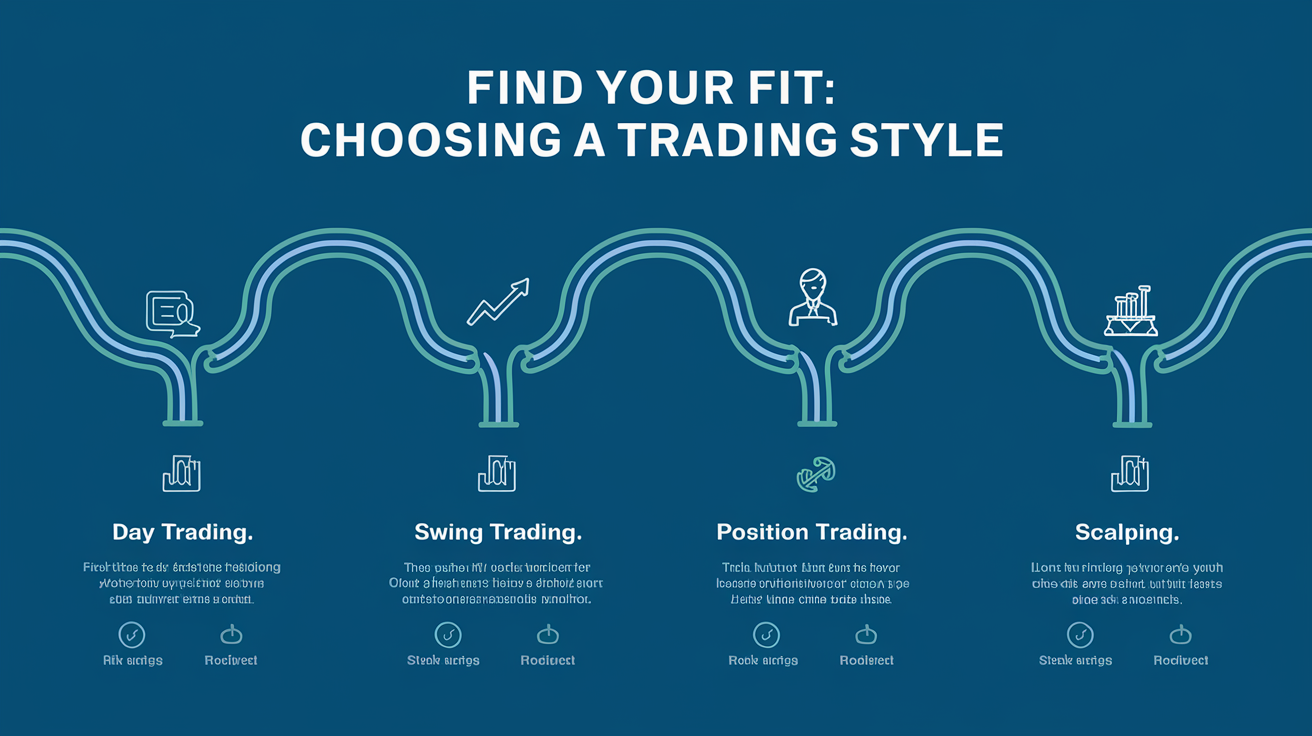
Choosing a trading style should start with your goals, risk tolerance, available time, and learning pace. Some popular trading styles need active attention, while others allow slower analysis. Therefore, try different options in a demo account first so you can understand the process without risking real funds. SEBI explains that investors should understand their goals and risk appetite before entering the securities market, so review these securities market risks before making decisions. A clear trading plan for beginners can help you compare time, risk, and routine before choosing any style.
Ready to Understand Your Trading Style?
Exploring different types of trading styles for beginners to choose from can help you compare time needs, risk levels, and decision-making styles. Whether you study day trading vs. swing trading or prefer long-term trading strategies, start with education before making real money decisions. Investor.gov explains the basic relationship between risk and return, which is useful before comparing any trading style.
A trading style should match your schedule, patience, and risk comfort. Therefore, use demo practice, keep position sizes controlled, and review your decisions regularly before moving forward. To keep your learning safer, also read these AI trading safety rules for beginners before using any strategy or tool.
Note: Different trading styles carry different levels of risk. Use this article to understand the basics, not as financial advice or a promise of results.
FAQS
What are the different types of trading, and how do they differ?
There are several types of trading, each with unique characteristics. Some popular trading styles include day trading, swing trading, scalping, momentum trading, and position trading. They differ mainly in the duration traders hold their positions, risk levels, and the level of activity involved.
What are some trading styles that appeal to different personalities?
Some popular trading styles include day trading for fast-paced traders, swing trading for those who like a balance, and position trading for individuals who prefer long-term investments. Each style caters to a different personality and risk tolerance.
Which trading types are often recommended for beginners?
Some beginners start by studying swing trading or social trading because these styles may allow slower observation than day trading. However, every trading type carries risk, so learning and demo practice should come first.
How should I choose between day trading and swing trading?
If you’re unsure whether to choose day trading vs. swing trading, consider your available time and risk tolerance. Day trading suits those who can dedicate full attention during market hours, while swing trading offers flexibility over a few days.
What are the key differences between long-term and short-term trading strategies?
The main difference between long-term and short-term trading strategies lies in holding time and decision pace. Long-term methods focus on wider market movement, while short-term methods involve quicker decisions and higher monitoring.
Can beginners try different types of trading styles?
Yes, there are different types of trading styles for beginners to choose from. Some options, like swing trading and social trading, allow beginners to gain experience and find an approach that aligns with their comfort level and goals.
What are the advantages and disadvantages of day trading?
Day trading allows traders to study short-term price movement and avoid overnight holding. However, it needs constant attention, quick decisions, and strong risk control because losses can happen quickly.
Why is swing trading a recommended starting point for beginners?
Swing trading may feel easier to study than day trading because it allows traders to hold positions for a few days. Still, beginners should learn risk management and test strategies before using real money.
What kind of skills do algorithmic traders need?
Algorithmic trading relies on programming and data analysis skills, setting it apart from other types of trading that beginners may consider. This method suits individuals with a technical background who prefer data-driven decision-making.
How can a trader select the best style to match their goals?
To choose a style that aligns with your goals, consider your risk tolerance, available time, and trading pace. Researching different types of trading styles for beginners to choose from can provide insights into which style feels most natural, whether you prefer the intensity of day trading or the patience of position trading.