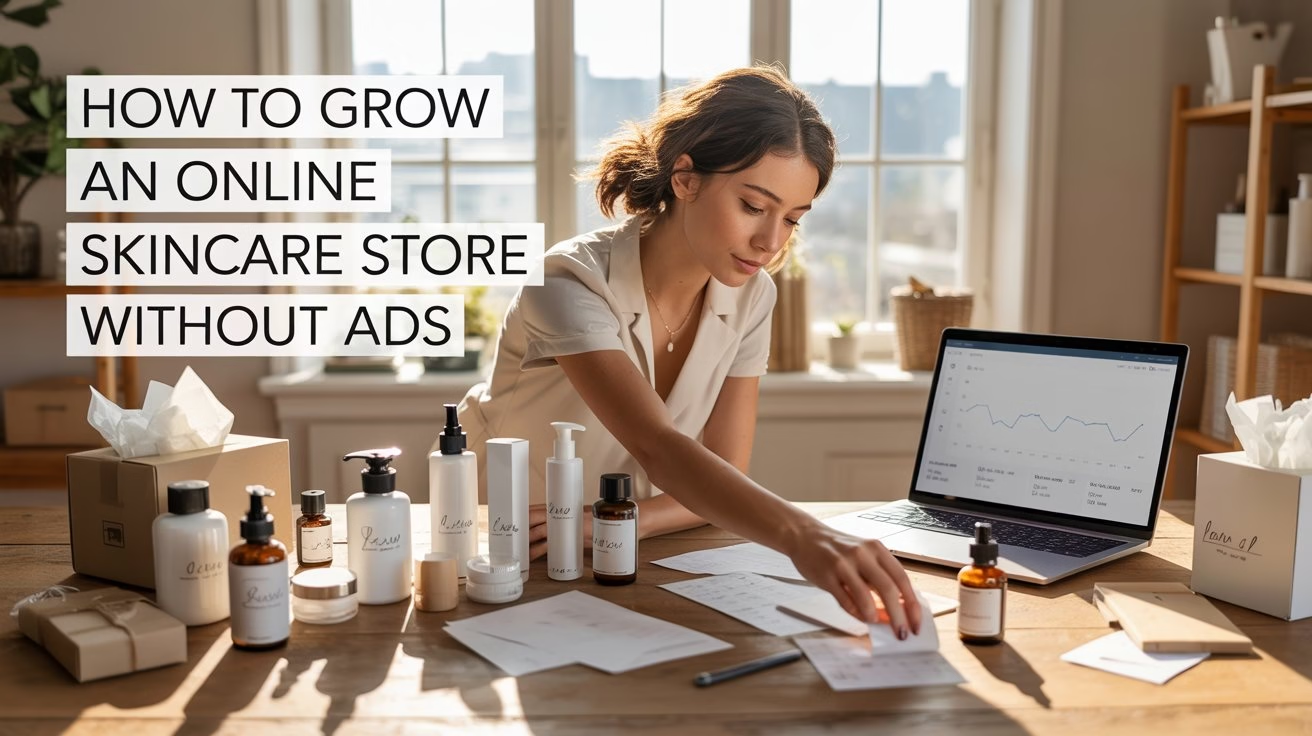
Running an online skincare store without ads can feel scary when larger beauty brands show up everywhere with glossy campaigns, influencer videos, and big product launches. Meanwhile, a small seller may think, “How will people even find my products?” Instead, the answer starts with trust, clear content, search visibility, and smart repeat exposure.
Paid ads can help. However, many new skincare sellers cannot burn money on testing. So, this guide keeps the focus on organic growth, practical steps, and customer confidence. For clear digital growth guides, website tips, SEO help, and online business ideas, readers can also visit The Digital Priyanka (TDP).
Step 1: Pick One Clear Skincare Buyer First
A skincare store grows faster when it speaks to a specific buyer. In many cases, a store selling “everything for everyone” often feels confusing. A customer with oily, dry, sensitive, acne-prone, mature skin, or dull skin wants quick clarity before adding anything to the cart.
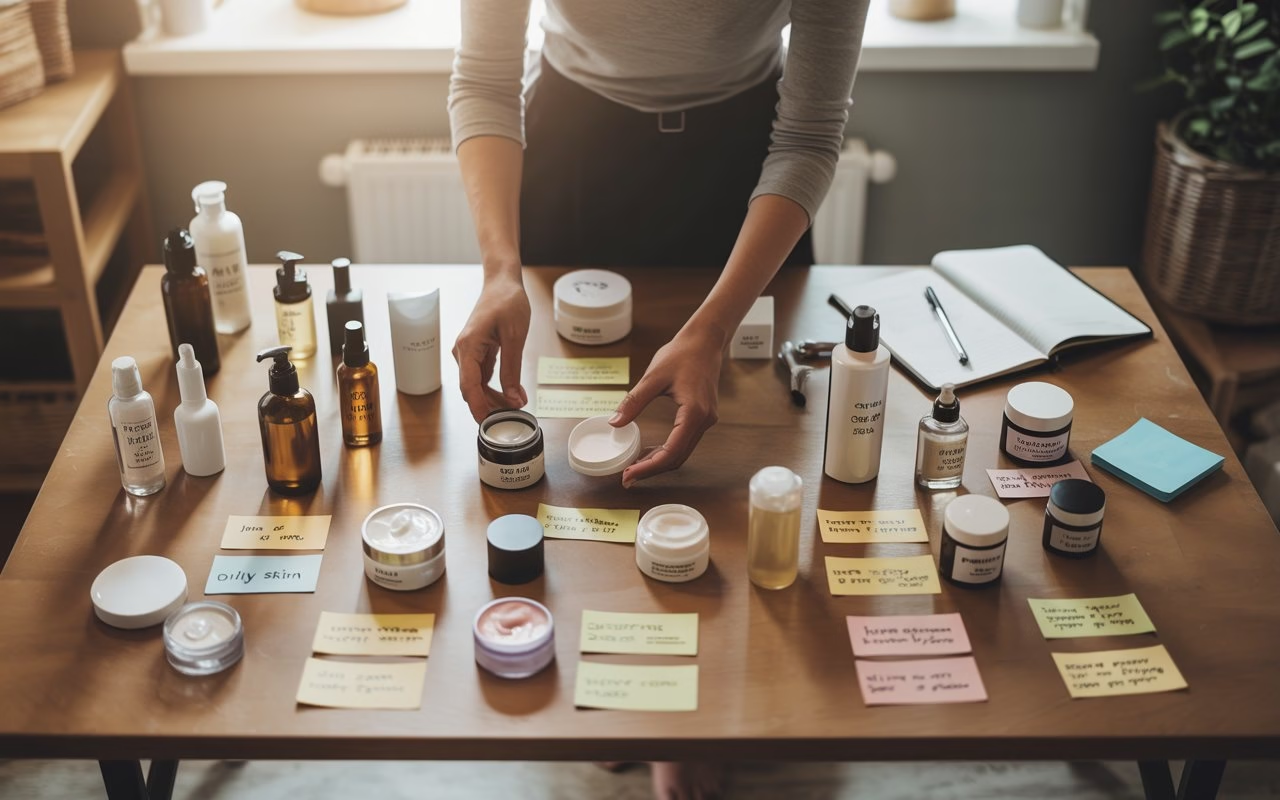
Picture this: a buyer lands on your store and sees cleanser, serum, toner, body butter, face oil, lip balm, and scrub with no clear direction. Her first thought may be, “Which one suits me?” As a result, confusion kills sales silently.
So, start with one core buyer group. For example, choose “skincare for oily skin,” “gentle skincare for sensitive skin,” “affordable skincare for college girls,” or “natural body care for working women.” As a result, a sharper niche makes your product pages, blogs, Pinterest pins, and Instagram content easier to plan.
A clear buyer profile should include:
- Skin concerns your product supports
- Age group or lifestyle
- Budget level
- Common product doubts
- Main buying trigger
In reality, a small skincare brand does not need 100 products first. It needs a clear promise, honest wording, and product pages that answer real doubts.
Step 2: Build Trust Before You Ask for Sales
Skincare buyers act differently from fashion or home decor shoppers. They apply your product to their face or body, so they need confidence. A cute label can attract attention. Still, trust closes the sale.
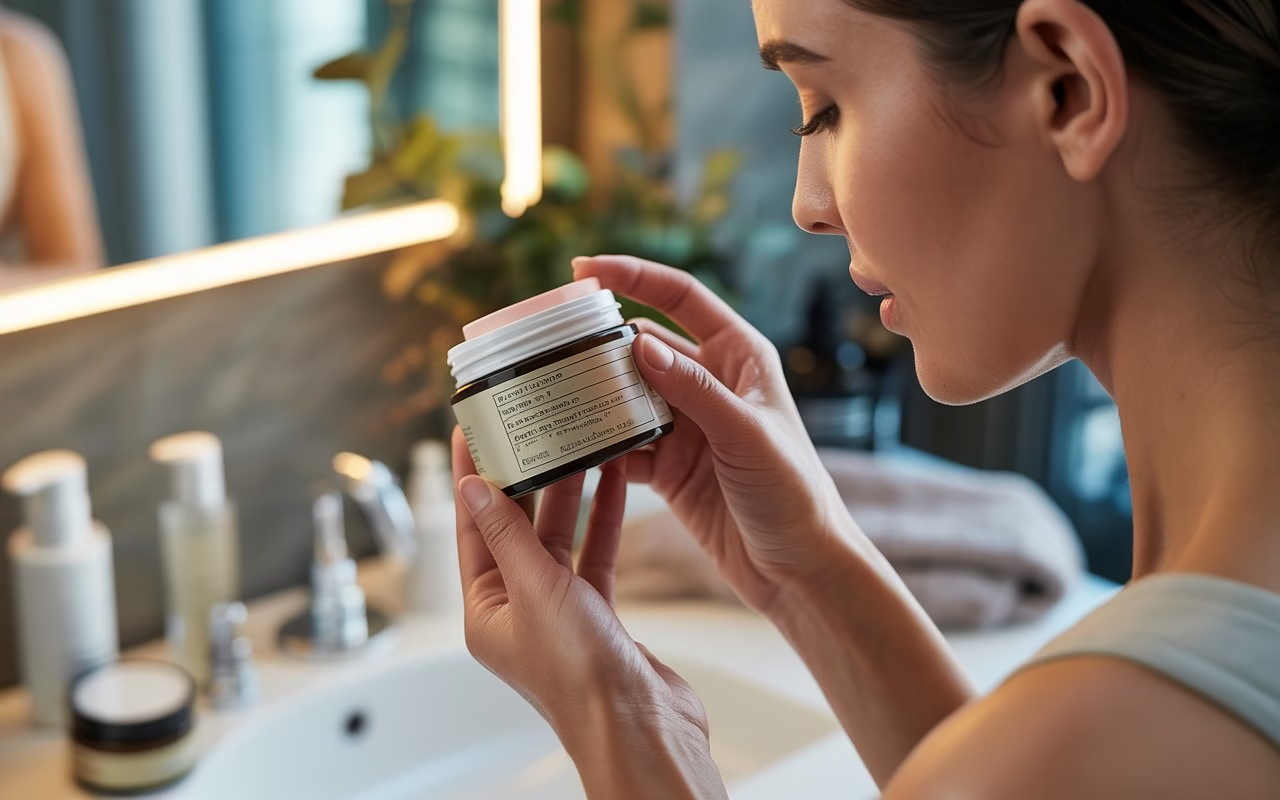
Before that happens, your store should answer the buyer’s silent questions before she messages you:
“Will this suit my skin?”
“What ingredients does it contain?”
“How should this product fit into my routine?”
“What happens if it irritates my skin?”
“Can this brand be trusted?”
Therefore, use safe, clear, and honest skincare language. Skincare sellers should stay careful with product claims. The FDA cosmetics labeling claims page explains that cosmetic claims have limits, while the FDA cosmetics labeling guide gives manufacturers helpful details about cosmetic labeling requirements.
For example, use trust-building elements such as:
- Full ingredient list
- Skin type guidance
- Patch test note
- Usage instructions
- Storage details
- Refund or return policy
- Real product photos
- Customer reviews
- Founder story
- Contact details
Avoid lines such as “cures acne,” “removes pigmentation permanently,” or “works for all skin types.” Instead, use safer phrases like “may help improve the look of uneven skin tone,” “supports a simple routine,” or “suitable for many oily skin routines.”
Step 3: Make Product Pages Search-Friendly for an Online Skincare Store Without Ads
Ideally, a product page should work like a helpful sales assistant. It should explain, guide, reassure, and answer questions. For example, many small skincare stores write thin product descriptions like “Best glow serum for smooth skin.” This line may sound nice, yet it gives Google and customers very little to understand.
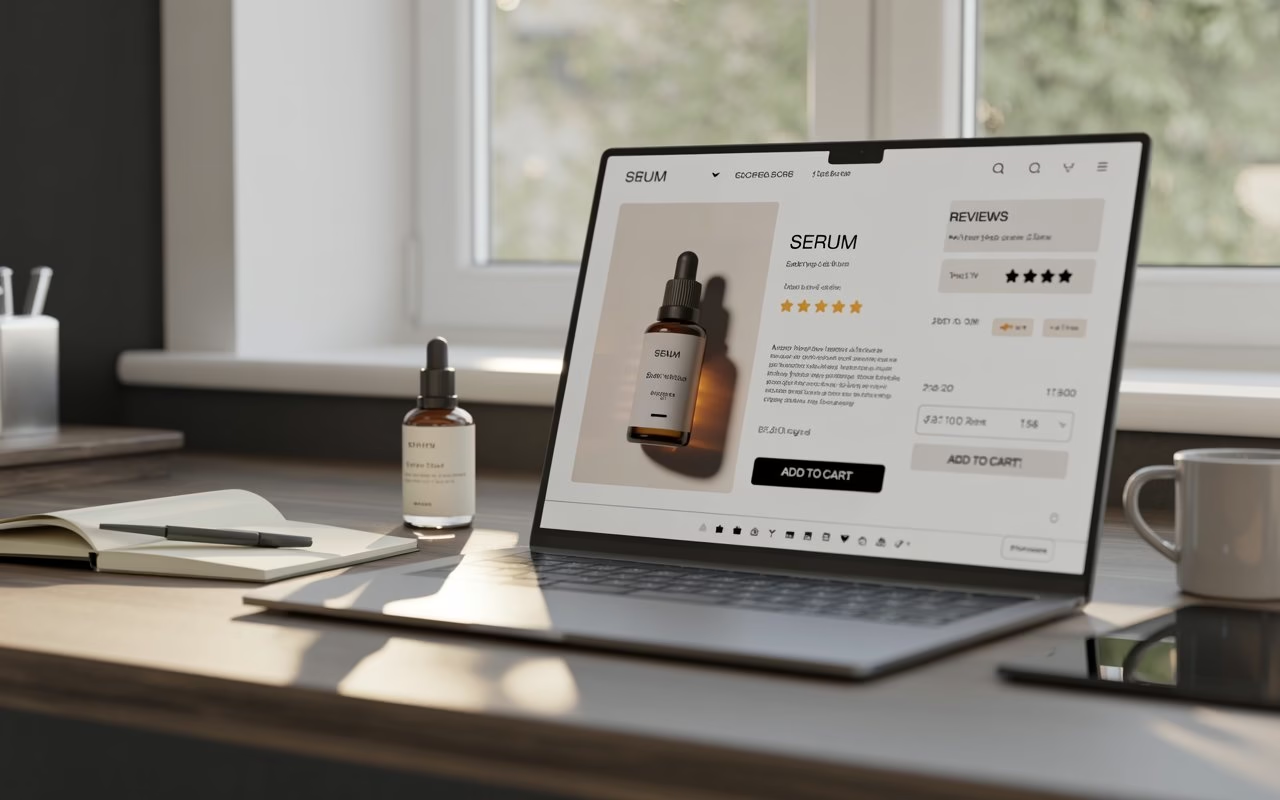
For an online skincare store without ads, product pages need SEO strength. Use clear product titles, real ingredient information, product benefits, skin type notes, usage steps, texture details, scent notes, quantity, price, and shipping clarity.
If your store runs on WooCommerce, Shopify, or any e-commerce platform, product details should also help search engines understand the page. Google’s product structured data guide explains how product information can appear in richer search results, while the e-commerce structured data guide explains how structured data helps Google understand e-commerce pages better. As a result, search engines can understand product pages more clearly.
To simplify things, use this simple product page format:
Product Title: Use a searchable title.
Example:
Vitamin C Face Serum for Dull Skin
Short Opening: Explain what the product does in simple words.
Example:
This lightweight serum may support a brighter-looking routine for dull or tired-looking skin.
Best For: Mention skin type and concern.
Example:
Best suited for normal, oily, or combination skin.
Ingredient Highlights: Explain major ingredients without fake claims.
How to Use: Give a short routine.
Patch Test Note: Add a safety reminder.
FAQs: Answer buyer doubts directly.
Reviews: Show real experiences without overpromising.
A small skincare seller who still needs a clean website plan can read How to Build a Small Business Website Without Coding before improving product pages. Meanwhile, sellers with an existing website can focus directly on improving product SEO and customer experience.
Step 4: Create Blog Content Around Real Buyer Questions
Today, skincare buyers search before buying. They search for questions like:
“Which serum is good for oily skin?”
“How to use face oil?”
“Can vitamin C and niacinamide be used together?”
“What skincare routine suits dry skin?”
“How to choose sunscreen for daily use?”
A skincare store can use these questions to create blog posts. As a result, this builds organic traffic and product awareness without pushing hard sales.
For instance, useful blog ideas include:
- Best skincare routine for oily skin
- How to choose a moisturizer for dry skin
- Face serum vs face oil
- Morning skincare routine for working women
- How to read skincare ingredient lists
- Skincare mistakes new buyers make
- How to patch test a new product
At the same time, each blog should include product education first. However, product mentions should feel natural.
For example: “If your skin feels greasy after heavy creams, a lightweight gel moisturizer may feel easier during the day.”
As a result, this sounds helpful. It does not sound desperate.
To make these posts stronger, connect each blog with search intent, clear headings, helpful examples, and natural internal links. For a deeper SEO foundation, read 15 Best SEO Tips for Consistent Google Rankings before planning your skincare content calendar.
Step 5: Use Instagram Reels for Product Education
Similarly, Instagram can help skincare stores build familiarity. However, the mistake many sellers make? They post only product photos with captions like “DM to order.” That gets boring fast.
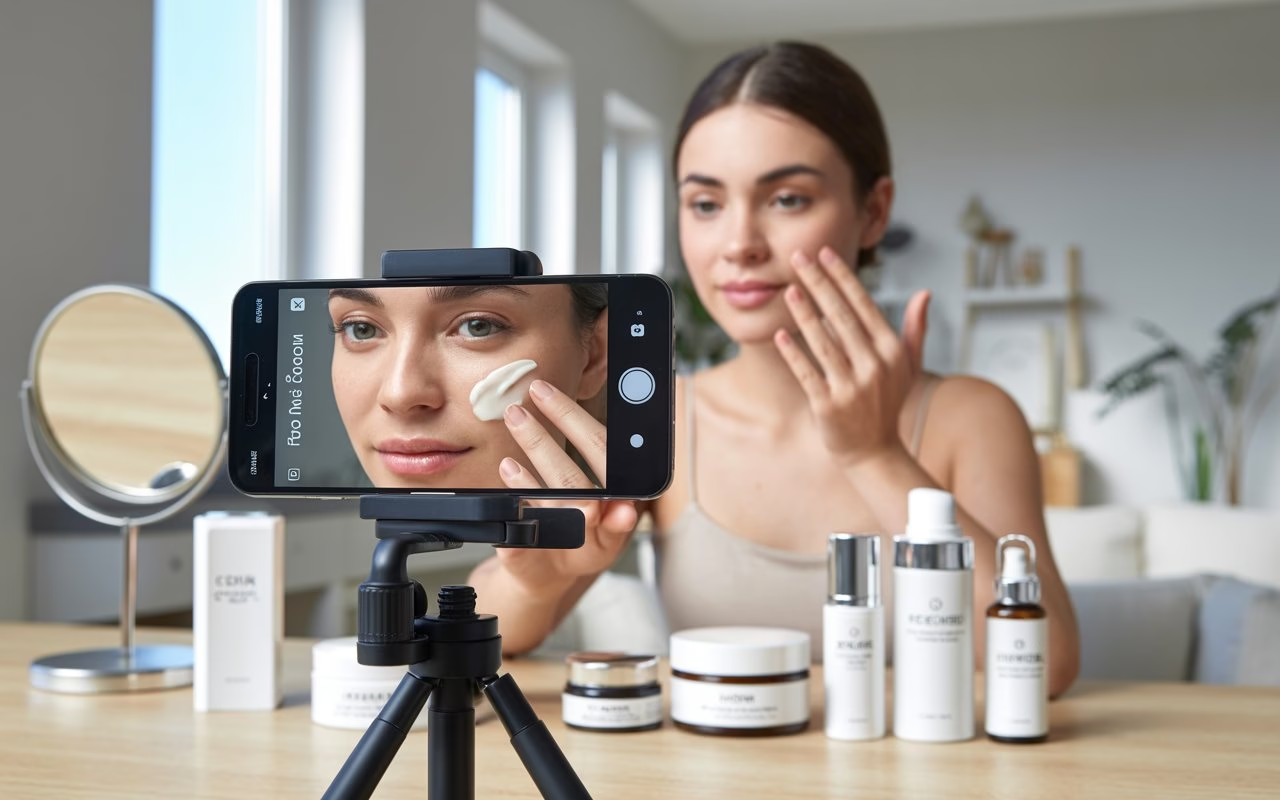
After all, people want to see texture, packaging, usage, skin feel, routine placement, customer questions, and behind-the-scenes moments. A buyer may watch your reel three times before buying. No drama, no hard sell, just repeated trust.
For example, use reels like mini demos:
- Show serum texture on the hand
- Show cleanser foam level
- Explain one ingredient in simple words
- Pack an order on camera
- Answer one common skincare doubt
- Show morning vs night routine placement
- Share founder notes
- Compare product textures
Keep captions searchable. For instance, use phrases customers type, such as “skincare for oily skin,” “face serum for dull skin,” “body butter for dry skin,” or “simple night skincare routine.”
Dialogue-style caption idea:
“Customer: Will this feel sticky?”
“Brand: Nope, here’s the texture test in natural light.”
This feels real and clear.
Step 6: Use Pinterest for Long-Term Skincare Traffic
Besides that, Pinterest works well for skincare because it runs on visual discovery, planning, and product inspiration. A skincare seller can post routine guides, ingredient explainers, product photos, seasonal tips, and skincare checklists.
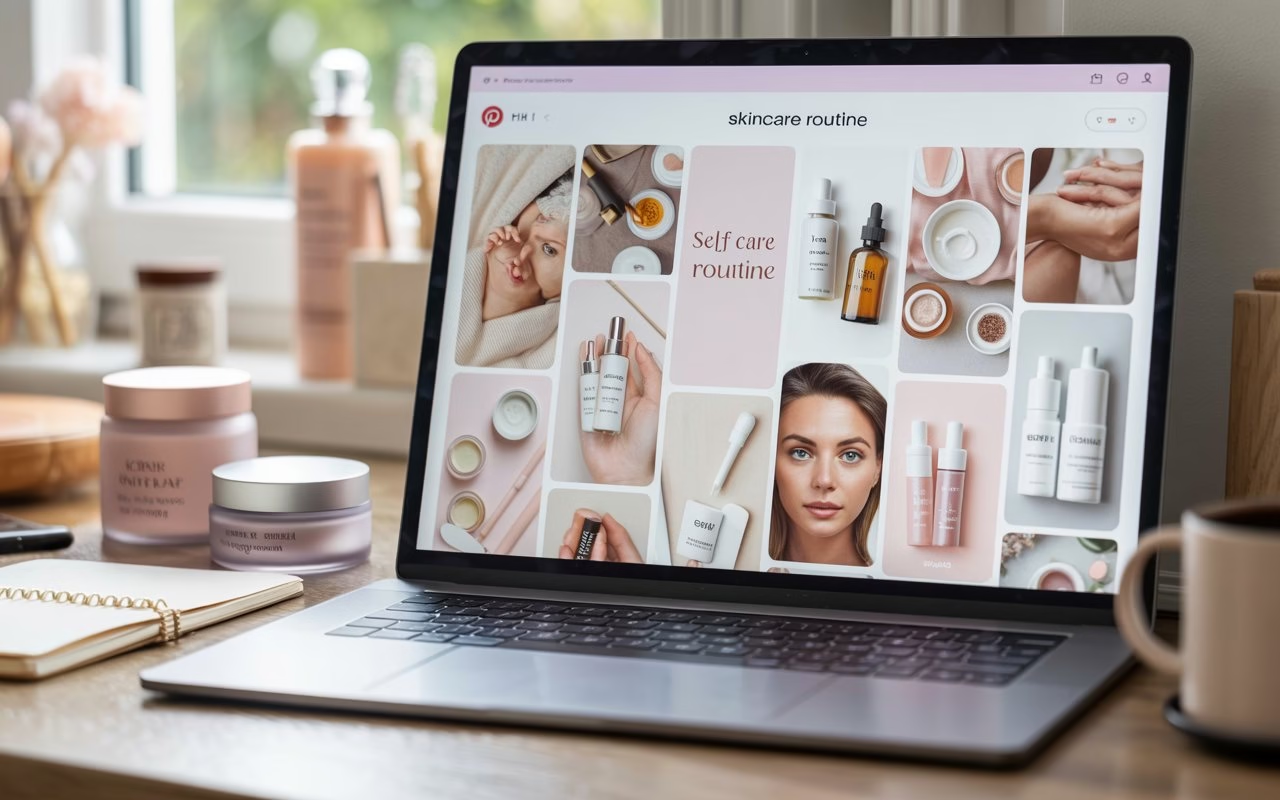
Pinterest works well for skincare because people use it for visual ideas, routines, shopping inspiration, and planning. The Pinterest Business audience insights page shows why visual discovery can support product-based brands that need long-term traffic.
Create pins around helpful ideas:
- Morning skincare routine for oily skin
- Best skincare steps before makeup
- Winter skincare checklist
- Body care routine for dry skin
- Simple skincare routine for working women
- Face serum guide for first-time users
- How to layer skincare products
Also, Pinterest pins should link to blog posts, product pages, or collection pages. Use vertical designs, clear text, and natural keywords. Instead, avoid stuffing the pin with too many words.
A good pin title: “Simple Skincare Routine for Oily Skin.”
A good pin description: “Learn how to build a simple oily skin routine with cleanser, serum, moisturizer, and sunscreen tips.”
This can send traffic for weeks or months when the topic stays useful.
Step 7: Turn Reviews Into Real Trust Signals
Besides that, reviews matter a lot in skincare. People want to hear from buyers who tried the product. A plain product page with no reviews can feel empty.
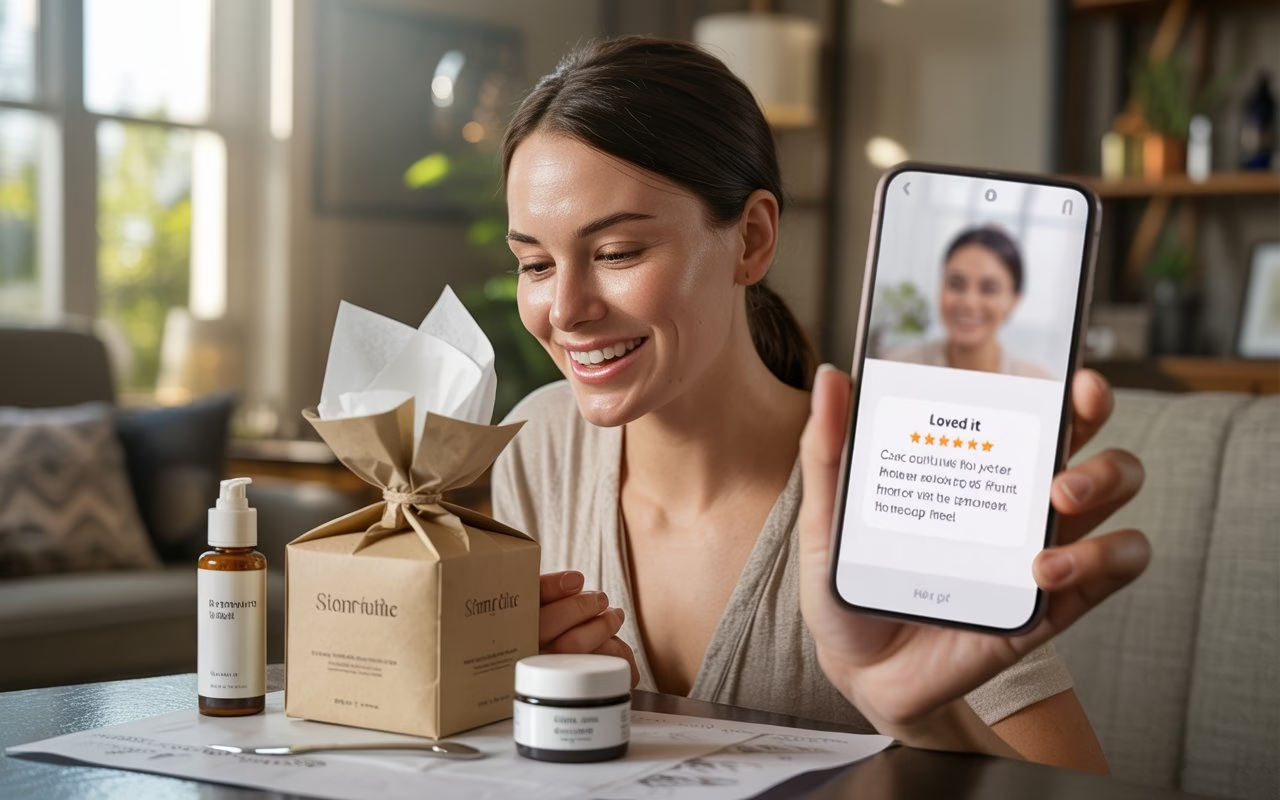
After delivery, ask buyers for honest feedback. To make the things easier, keep the process simple:
- Send a polite WhatsApp message after 7 to 10 days.
- Ask about texture, smell, packaging, and experience.
- Request permission before using their photo or message.
- Add reviews to product pages.
- Share review screenshots carefully.
- Never edit feedback to create fake praise.
A safe review request can sound like this:
“Thank you for ordering. After using the product for a few days, please share honest feedback about texture, packaging, and your overall experience. Your review helps other customers choose better.”
Reviews need honesty. The FTC endorsements, influencers, and reviews guidance explains how businesses should handle endorsements, reviews, and influencer relationships clearly. Therefore, small skincare stores should avoid fake praise, hidden incentives, or edited testimonials.
If your skincare store also serves local buyers, 16 Powerful Benefits of Google My Business Reviews can help you understand how review signals build trust.
Step 8: Build Email and WhatsApp Follow-Up
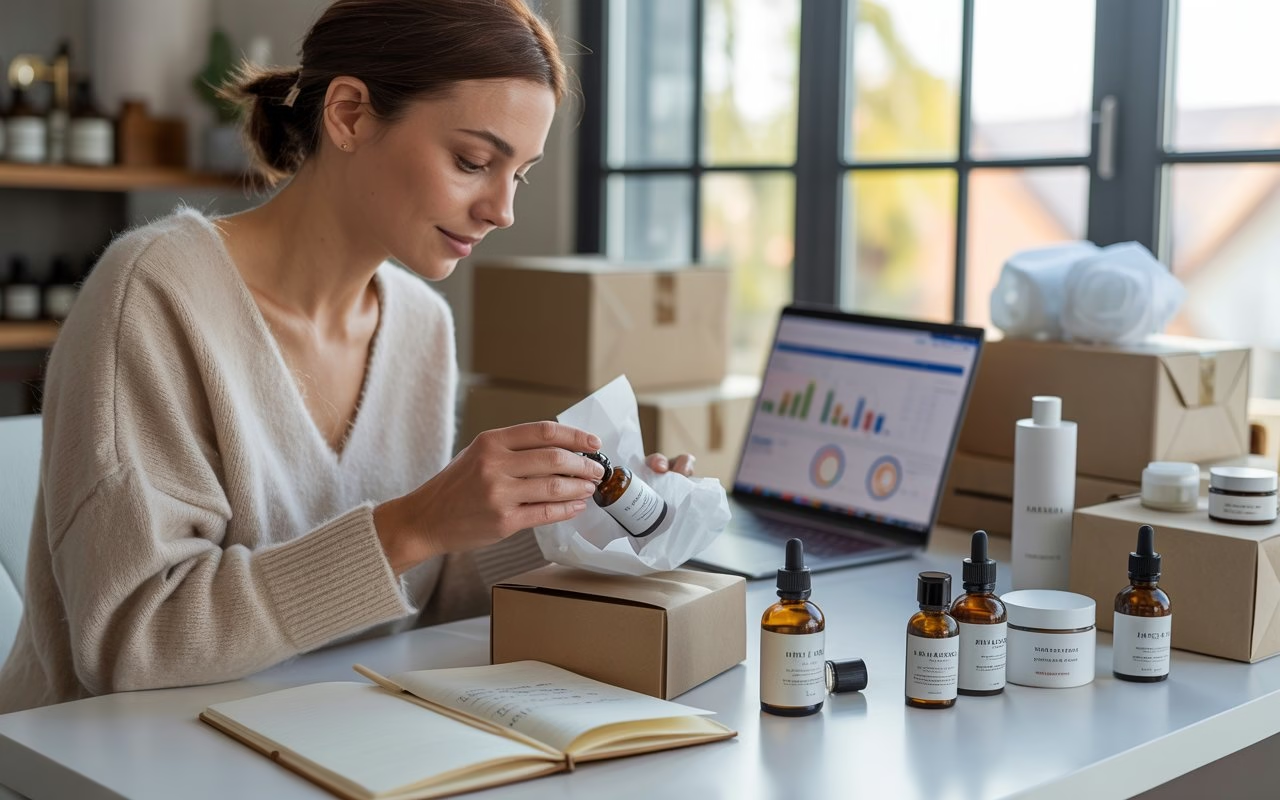
A skincare buyer may not buy the first time. She may check your Instagram, read reviews, compare prices, ask a friend, and return later. So, build a simple follow-up system.
For small sellers, WhatsApp and email can work well. In short, the goal is to stay helpful, not irritating.
Useful follow-up ideas:
- Order confirmation
- Usage reminder
- Patch test reminder
- Routine guide after delivery
- Refill reminder after 30 days
- New product update
- Seasonal skincare tip
- Review request
Example message:
“Your face serum has reached you. Start with a patch test and use it as directed. For serious skin concerns, please speak with a dermatologist before changing your routine.” As a result, this creates care and confidence.
Create a free skincare routine PDF or checklist to collect email subscribers. For example, “5-Step Skincare Routine for Oily Skin” can attract the right people.
Step 9: Improve Photos, Descriptions, and Brand Story
Skincare sells through feel, trust, and detail. So, buyers cannot touch your product online, so your visuals must answer sensory questions.
Use photos that show:
- Bottle size in hand
- Product texture
- Packaging
- Label details
- How much product comes out
- Before packing
- Product with routine items
- Close-up of ingredients or claims
Avoid overly edited images. Instead, natural light often feels better for small skincare brands because it looks real.
Your product description should sound human:
“Sticky serums can feel annoying during humid weather. This lightweight texture suits daytime routines when you want a fresh feel without heavy layering.” This sounds relatable.
Additionally, share your brand story briefly. Readers like knowing why a small skincare brand exists. Some founders struggle to find simple body care products for themselves. Others focus on clearer ingredient transparency and honest skincare routines. A few skincare stores even begin after repeated customer requests from friends, family, or local buyers.
Keep it honest. No fake lab story. No copied luxury-brand language.
Step 10: Track How Your Online Skincare Store Without Ads Grows
Of course, organic marketing needs patience. However, it should never feel like blind posting. Track what brings people to your store.
Use Google Search Console to check clicks, impressions, search queries, and pages. These numbers show which skincare topics people already find and which pages need better titles, descriptions, internal links, or product details.
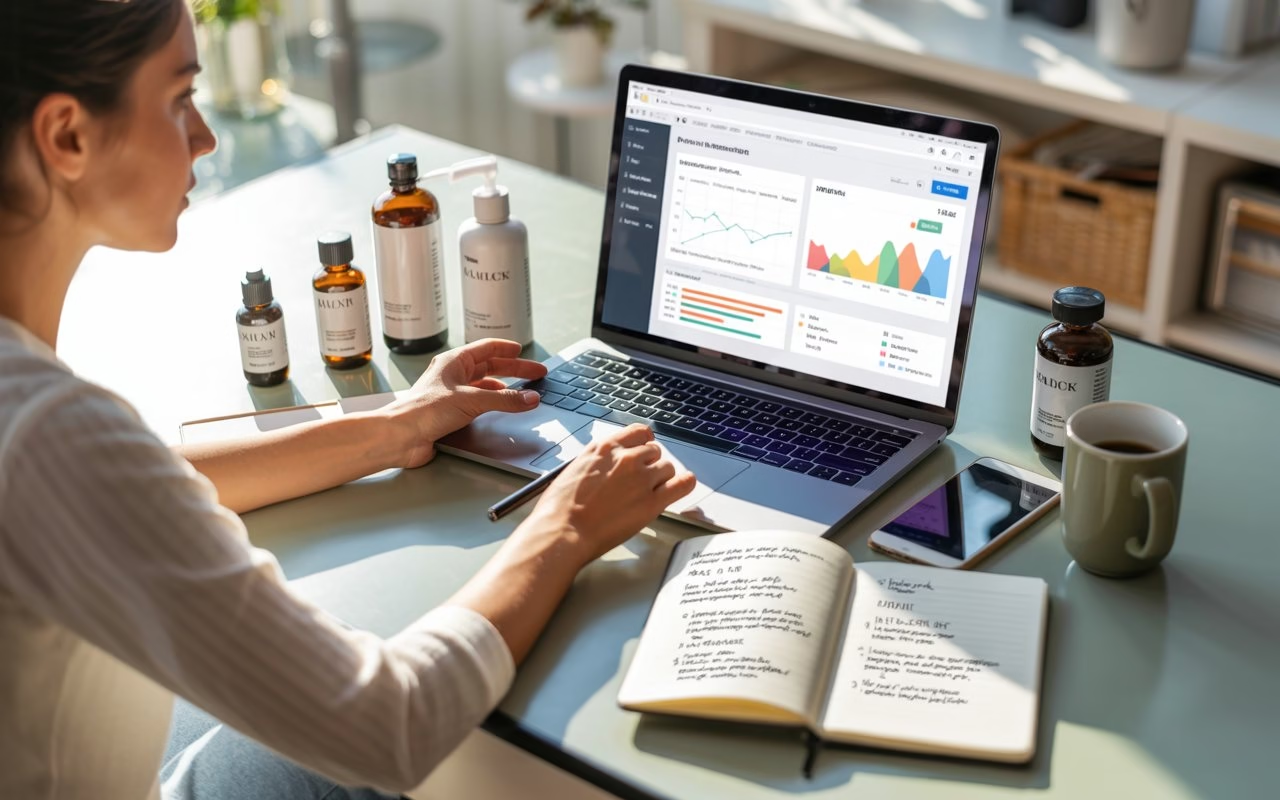
For better clarity, track these weekly:
- Which product pages get impressions
- Which blog posts get clicks
- Which queries appear in Search Console
- Which Pinterest pins send traffic
- Which Instagram reels get saves
- Which pages bring sales
- Which product gets repeat buyers
One blog may get impressions but no clicks, so rewrite its SEO title and meta description. Similarly, a reel with strong saves deserves three similar follow-up videos. Product pages that bring traffic but no sales need better reviews, photos, FAQs, and pricing clarity.
Over time, a small skincare store grows through small improvements repeated often.
Step 11: Create Collection Pages for Search Intent
Likewise, collection pages can help buyers choose faster. Instead of showing all products together, group them around skin concern, routine, or product type.
Useful collections include:
- Skincare for oily skin
- Skincare for dry skin
- Face serums
- Body care
- Lip care
- Gift sets
- Travel-size skincare
- Under-budget skincare
Each collection page should include a short intro, helpful filter options, product cards, and FAQs.
For example: “Looking for skincare for oily skin? Start with lightweight textures, non-greasy moisturizers, and gentle cleansing. Always patch test new products and check the ingredient list before use.”
Collection pages also need clear SEO basics, short descriptions, helpful filters, and useful internal links. Additionally, if your skincare store has a physical pickup point or local delivery area, Google Business Profile Setup: Local SEO Made Simple can support your local visibility.
Step 12: Use Free Listings and Product Data Carefully
Small stores should explore free visibility options before spending on paid ads. The Google Merchant Center product data specification explains how accurate product data can help Google match products to relevant queries for ads and free listings.
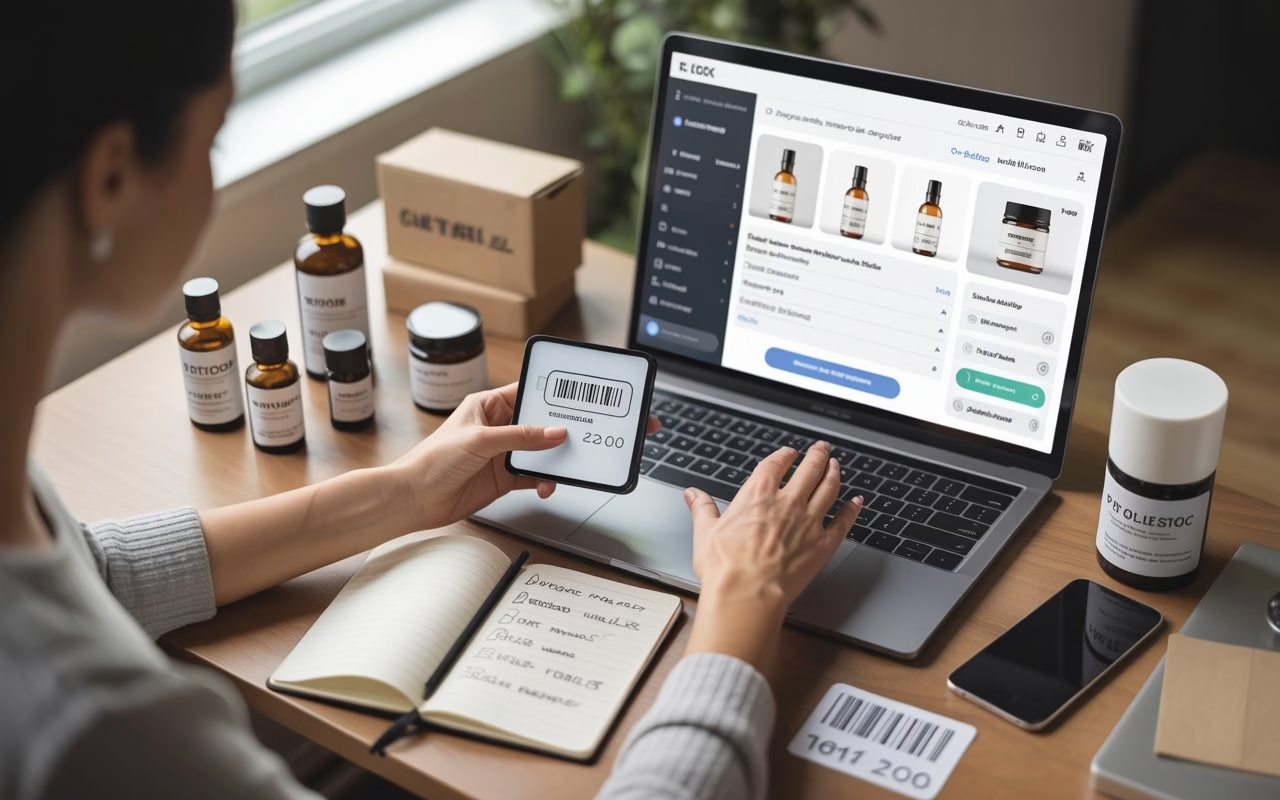
Add important product details:
- Product name
- Price
- Availability
- Brand name
- Image
- Description
- GTIN or product identifier if available
- Shipping information
- Return policy
As a result, clean product data can support better discovery. Also, it keeps your store organized.
Sellers who still need a simple store setup can also compare tools in Free AI Website Builders in 2026: 8 Tools Compared before choosing where to build or rebuild their site.
Small Changes That Improved Store Visibility
Organic skincare growth usually improves through small adjustments repeated consistently over time. Instead of depending on aggressive selling, clearer product education, better visuals, and simple customer-focused content started bringing better engagement gradually. Buyers responded more positively when the store focused on solving skincare doubts rather than pushing products constantly.
Pinterest routine guides continued sending steady traffic for longer periods, especially posts connected to oily skin routines, skincare layering, and simple product usage tips. Instagram reels showing texture tests and packaging details also received stronger saves compared to heavily promotional content. At the same time, product pages with clearer descriptions and patch test notes helped visitors spend more time exploring the website.
A few small updates also improved customer interaction naturally:
- Product education reels received better engagement than direct sales posts. Buyers reacted more positively when content explained texture, ingredients, and routine placement clearly.
- Pinterest pins linked to skincare guides continued bringing traffic for several weeks. Routine-based skincare topics performed better than random promotional graphics.
- Visitors stayed longer on pages with detailed product descriptions and FAQs. Clear usage instructions reduced confusion before purchase decisions.
- WhatsApp conversations became smoother after adding skincare routine content. Many buyers already understood product basics before sending questions.
Common Mistakes Skincare Stores Should Avoid
A small skincare brand can lose trust quickly with weak marketing. Avoid these mistakes:
- Copying descriptions from other brands
- Making cure-based claims
- Hiding ingredients
- Using fake reviews
- Posting only sales content
- Ignoring customer questions
- Using blurry product photos
- Skipping patch test notes
- Changing product names too often
- Leaving product pages thin
Thus, a smart online skincare store without ads grows when it chooses clarity over hype.
Let Trust Lead the Growth
Growing an online skincare store without ads takes steady work, but it can build stronger trust than rushed paid campaigns. Instead, start with one clear buyer, improve product pages, publish helpful content, use Instagram and Pinterest wisely, collect honest reviews, and track what actually brings traffic.
A small skincare seller does not need to shout louder than big brands. After all. helpful content, honest claims, clean visuals, and customer care can create a brand people remember. Start with one step today, improve it this week, and let your store earn attention through trust.
FAQs
1. Can an online skincare store grow without paid ads?
Yes, an online skincare store can grow without paid ads through SEO, Pinterest, Instagram content, reviews, product page improvements, and helpful blog posts. Growth may take time, yet organic visibility can bring steady traffic.
2. What is the best free marketing method for skincare stores?
SEO works well because skincare buyers search many product and routine questions before purchasing. Instagram and Pinterest also help because skincare depends on visuals, trust, and repeated exposure.
3. How often should a skincare store post blogs?
A small skincare store can start with two helpful blog posts per month. For example, focus on buyer questions, skin type guides, routine tips, ingredient education, and product comparison topics.
4. What kind of Instagram content works for skincare brands?
Texture tests, routine videos, packing clips, ingredient explainers, customer questions, founder notes, and product demos work well. Keep content simple, real, and useful instead of overly polished.
5. Can Pinterest bring traffic to skincare product pages?
Yes, Pinterest can bring traffic when pins answer visual and search-based needs. Routine guides, skincare checklists, seasonal tips, and product education pins can link to blogs or product pages.
6. Should skincare stores use customer reviews on product pages?
Yes, honest customer reviews can build trust. However, always use real feedback, avoid fake claims, and get permission before sharing customer photos or private messages in public marketing.
7. What should a skincare product description include?
A strong product description should include product purpose, skin type suitability, ingredient highlights, texture, usage steps, patch test notes, storage instructions, quantity, and honest benefit wording.
8. How can a skincare store avoid unsafe marketing claims?
Avoid words like cure, permanent, guaranteed, or works for everyone. Instead, use careful phrases such as “may support,” “can help improve the appearance,” and “suitable for many skin routines.”
9. How long does organic skincare marketing take?
Organic growth usually needs consistent effort for several months. Product page SEO, blogs, Pinterest pins, reviews, and social content can work together when the store keeps improving.
10. What should a new skincare seller track first?
Start with website visits, product page clicks, add-to-cart actions, customer questions, Instagram saves, Pinterest outbound clicks, Google Search Console queries, and product reviews. Together, these numbers show what buyers care about.