
Search results keep changing, so practical SEO tips for consistent Google rankings still matter as new updates roll out each year. Search engines continue to reward sites that genuinely help people with clear structure, useful answers, and small SEO habits that repeat week after week. When those habits stay consistent, pages slowly move up while many others keep chasing shortcuts.
This guide gathers actionable SEO advice for small websites, solo creators, and growing brands. Every section focuses on steps that feel doable in daily life, not just theory. Use it like a working checklist, update a few points each week, and steadily build a site that both visitors and search engines trust.
SEO Tips for Consistent Google Rankings: Focus on User Experience (UX)

Strong SEO starts with a smooth, friendly experience for real visitors. Search engines notice how long people stay, how easily they move around, and whether pages feel clear or confusing. When the site feels simple, visitors stay longer, which naturally supports better rankings. For deeper ideas on layout, responsiveness, and visual flow, read the article Liquid Web Design 2026, which shows how flexible layouts and smoother experiences support long-term SEO.
- Walk through key pages like a first-time visitor:
Open your site on mobile and desktop, then scroll slowly. Notice where the eye gets stuck, where text feels cramped, or where leaving feels tempting. Adjust spacing, fonts, and section breaks until reading feels calm and natural.
- Keep navigation short and obvious:
Group related topics into a few main menu items and use clear labels. Important pages should sit only a few clicks from the home page so both visitors and search engines can reach them without effort.
- Cut visual noise and distractions:
Limit pop-ups, overlapping banners, and elements that cover text. Let each page focus on one main outcome, such as reading an article or signing up for a resource. A quieter layout feels safer and keeps visitors engaged longer.
- Check speed and stability often:
Run speed tests on a few important URLs each month. Compress images, remove unused plugins, and avoid heavy scripts that slow page load time. Fast, stable pages support modern ranking signals and reduce bounce rates. Google also highlights clear structure, readable text, and easy navigation in its official SEO Starter Guide.
High-Quality Content as Your Main SEO Asset
Algorithms change, yet helpful content remains at the centre of SEO. Pages that answer real questions clearly and completely attract more clicks, more time on page, and more shares. All of that tells search engines that the site deserves stronger visibility. An example is a future-focused guide, such as your piece on neuromarketing techniques marketers need in 2026, which combines research, clear structure, and practical takeaways.
- Start from real questions, not keywords alone:
Look at People Also Ask boxes, forums, and comments to see how people phrase their doubts. Turn those into headings and subheadings so visitors immediately recognise their own problems inside the page.
- Go deeper than surface tips:
Explain when a tactic works best, where it fails, and what common mistakes look like. Use step-by-step explanations, simple comparisons, and examples so readers feel guided instead of left guessing.
- Refresh older content with new insight:
Pick one older post at a time and add updated information, clearer explanations, and fresh internal links. Replace weaker paragraphs with stronger guidance and remove outdated lines so the page feels current again.
- Mix formats to suit different readers:
Combine text with screenshots, checklists, and small summary boxes. Some visitors prefer scanning bullets, while others read full explanations. This mix keeps people engaged and gives search engines a richer context about the topic.
Leverage the Power of Keywords

Keywords still matter, yet they work best when they sit inside a clear topic structure. Instead of writing one article for every phrase, clustering related ideas helps search engines understand the site as a strong resource on that subject.
- Choose one main phrase for each page:
Let every article focus on a single primary idea, such as SEO tips for consistent Google rankings or another long-tail phrase that fits the topic. Use that keyphrase naturally in the title, introduction, one subheading, and conclusion, while the rest of the content flows in simple, conversational language.
- Group related ideas into small clusters:
For each main topic, create one in-depth pillar page and a few supporting posts. The pillar covers the broad overview; supporting posts answer narrower questions, discuss tools, or break down specific use cases. Link them all together.
- Use synonyms and related phrases:
Add variations that match how different people search for the same thing. Include question-style phrases, problem-based, and comparison-style phrases so the page appears for a wider range of relevant queries.
- Let Search Console guide new topics:
Check which queries already bring impressions to existing posts. When repeated phrases appear without a dedicated article, plan new content around those terms so keyword work stays grounded in real search behaviour. For deeper keyword ideas, use tools like Google Keyword Planner or Ahrefs and then group similar phrases into simple topic clusters.
Optimize for Voice Search
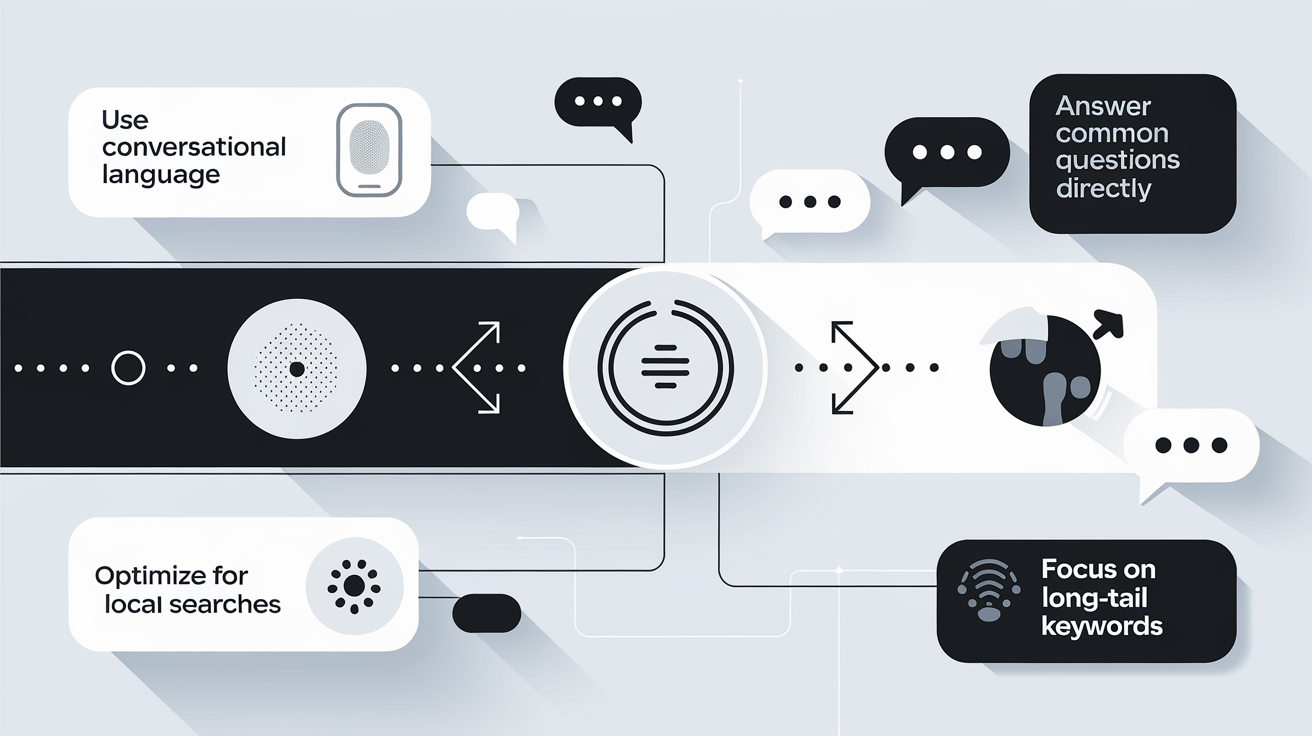
Thanks to smart speakers and virtual assistants, voice search is becoming more popular. To optimize for voice search, consider how people ask questions out loud and tailor your content to match. This means focusing on natural, conversational language and providing clear, direct answers. Executing SEO tips and tricks for this part can substantially boost your visibility in search results.
- Use conversational language in your content.
- Answer common questions directly and clearly.
- Optimize for local searches with local SEO tricks.
- Focus on long-tail keywords that mimic natural speech patterns.
SEO Tips for Consistent Google Rankings: Improve Technical SEO
SEO tips for consistent Google rankings also cover technical SEO, which means improving the backend of your site so search engines can crawl and index pages easily. This includes boosting site speed, fixing broken links, and keeping every layout mobile-friendly.
- Conduct regular technical audits of your website.
- Fix any crawl errors and broken links.
- Ensure your site is secure with HTTPS.
- Optimize the structure and URLs of your site.
For an overview of what helps content qualify and perform well in search, review Google Search Essentials, which act as the core technical and content guidelines.
SEO Tips for Consistent Google Rankings: Build Quality Backlinks
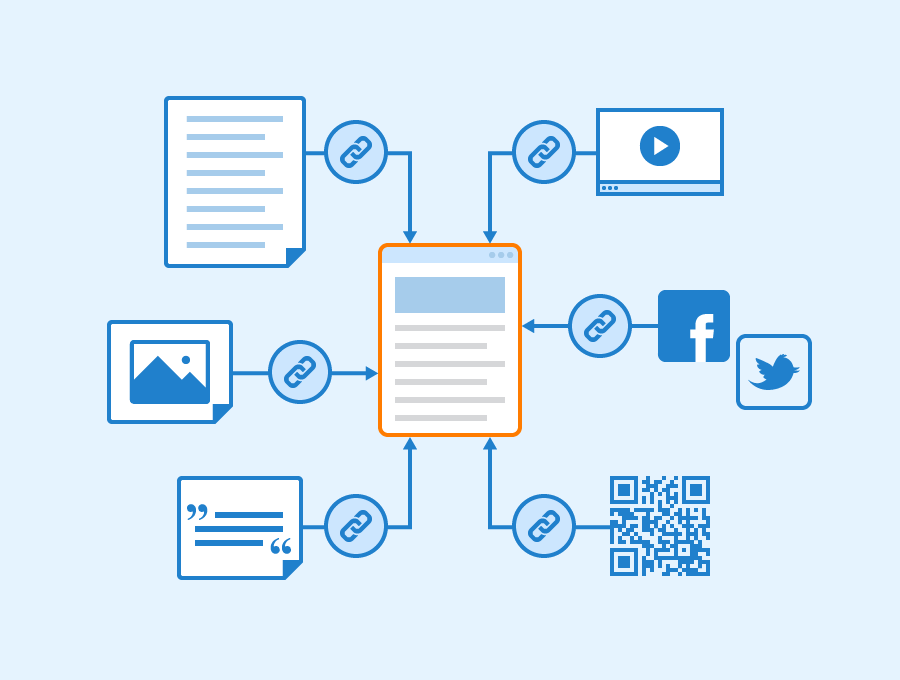
Backlinks from reputable sites act as votes of confidence for your website, boosting your credibility and search engine rankings. Many SEO tips for consistent Google rankings highlight quality backlinks as a central priority in any long-term SEO plan. For deeper tactics beyond these basics, this advanced SEO guide by Semrush shows how to layer technical, content, and strategic improvements over time.
- Create shareable content that others genuinely want to link to.
- Reach out to industry influencers and bloggers for guest posting opportunities.
- Participate in forums and online communities relevant to your niche.
- Monitor and disavow harmful backlinks regularly.
- Most SEO tips and tricks emphasize getting backlinks from high-authority, relevant sites.
If you want to learn outreach and link evaluation in more depth, Moz’s Beginner’s Guide to Link Building offers a clear starting point.
Use Social Media

Social media platforms work as powerful tools for driving traffic to your website and supporting your SEO efforts. Many SEO tips for consistent Google rankings highlight that social activity might not directly change rankings, yet it increases online visibility and can lead to more natural backlinks.
- Share your content regularly across the social platforms where your audience already spends time.
- Engage with your followers through comments, replies, and polls so your brand feels active and approachable.
- Use social media to distribute different content formats, including articles, short videos, carousels, and infographics.
- Add simple, visible share buttons on key pages to make it easy for visitors to spread your content.
Optimize for Local SEO

The best SEO tips for consistent Google rankings highlight the importance of local SEO for businesses in particular locations. Optimizing for local searches can help you attract customers from your region and improve your rankings for local queries. You can follow a step-by-step walkthrough in this guide to setting up a Google My Business profile the right way.
- Set up and improve your Google My Business.
- Ensure your name, address, and phone number (NAP) are consistent across all platforms.
- Gather and respond to customer reviews.
- Use local keywords and create location-specific content using local SEO tricks.
Focus on Featured Snippets
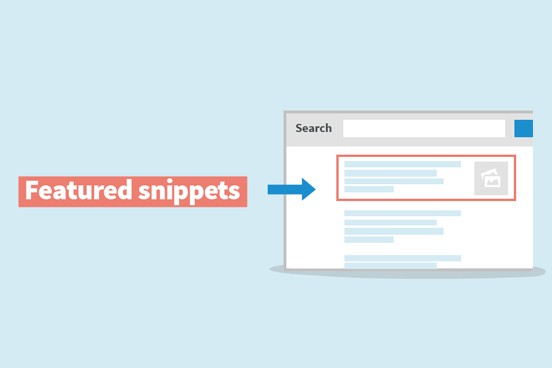
Many SEO tips for consistent Google rankings encourage you to shape your content so it can appear in featured snippets, often called “position zero.” These answers sit at the top of search results and can significantly increase your visibility. When you format information for snippets, you give search engines a clear, ready-made summary to show, which can drive more traffic to your site.
- Use question-based queries in your content:
Turn common searches into headings or subheadings. This makes it easy for search engines to match your page with users who type or ask those exact questions.
- Provide clear, concise answers to common questions:
Follow each question with a short, direct answer in one or two sentences before expanding further. This structure works well for snippet-style results and helps readers get value quickly.
- Structure information with headings, lists, and tables:
Break down complex topics into scannable sections. Lists, numbered steps, and simple tables help both users and search engines understand key points at a glance.
- Target long-tail keywords that often trigger snippets:
Focus on specific, conversational phrases that match how people naturally search. These detailed queries usually have less competition and a stronger chance of earning featured placement.
SEO Tips for Consistent Google Rankings: Use AI and Machine Learning

AI and machine learning are becoming increasingly important in SEO. These technologies can help you analyze data, predict trends, and optimize your content more effectively. Integrating AI into your SEO strategy, as part of the best SEO tips for consistent Google rankings, can give you a competitive edge. Small website entrepreneurs can also explore these best free AI tools for small business owners to support content planning, SEO tasks, automation, and customer communication.
- Use AI tools to analyze user behavior and preferences.
- Implement machine learning algorithms to personalize content.
- Leverage AI for keyword research and content optimization.
- Stay updated with the latest SEO tricks in AI advancements.
- Use AI-powered chatbots to improve customer interaction on your website.
Use Schema Markup

Schema markup helps search engines understand the content on your site better. Boost search engine visibility and attract more clicks by integrating structured data on your website. It’s a powerful tool that can differentiate your site from competitors.
- Use schema markup to highlight important information.
- Implement structured data for products, reviews, and events.
- Test your schema markup with the Structured Data Testing Tool.
- Monitor the performance of your rich snippets as part of the SEO tips for consistent Google rankings.
- Regularly update your schema markup to reflect any changes in your content.
Create a Comprehensive Content Strategy
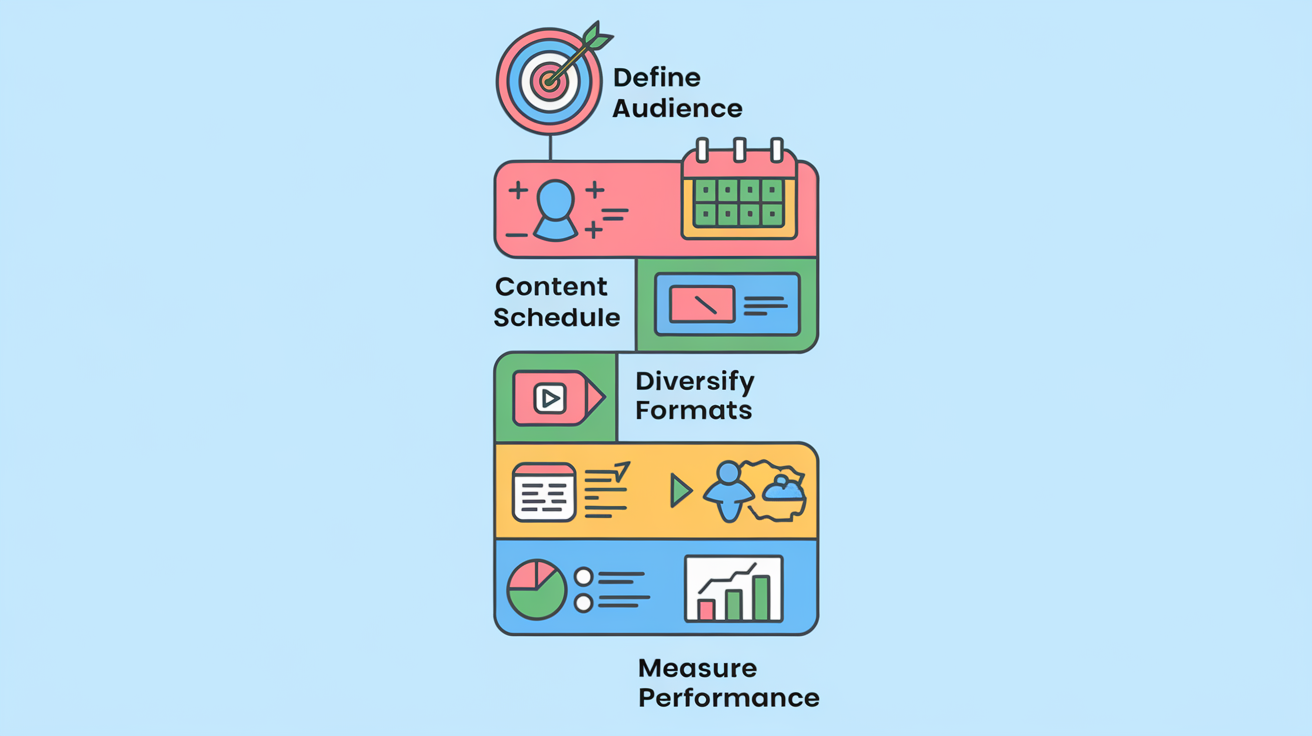
A well-planned content strategy can guide your SEO efforts and ensure consistency across all your digital platforms. Focus on creating valuable content that resonates with your audience and aligns with your business goals. Following the best SEO tips for consistent Google rankings helps you stay organized and on track. Readers exploring creative online income ideas can also read this guide on passive income by zodiac sign to match content ideas with personality-based working styles.
- Define your target audience and their needs.
- Plan a content calendar to maintain consistency.
- Diversify your content formats, including blogs, videos, and infographics.
- Measure and analyze the performance of your content.
- Adjust your strategy based on data insights and feedback.
Prioritize Mobile-First Indexing
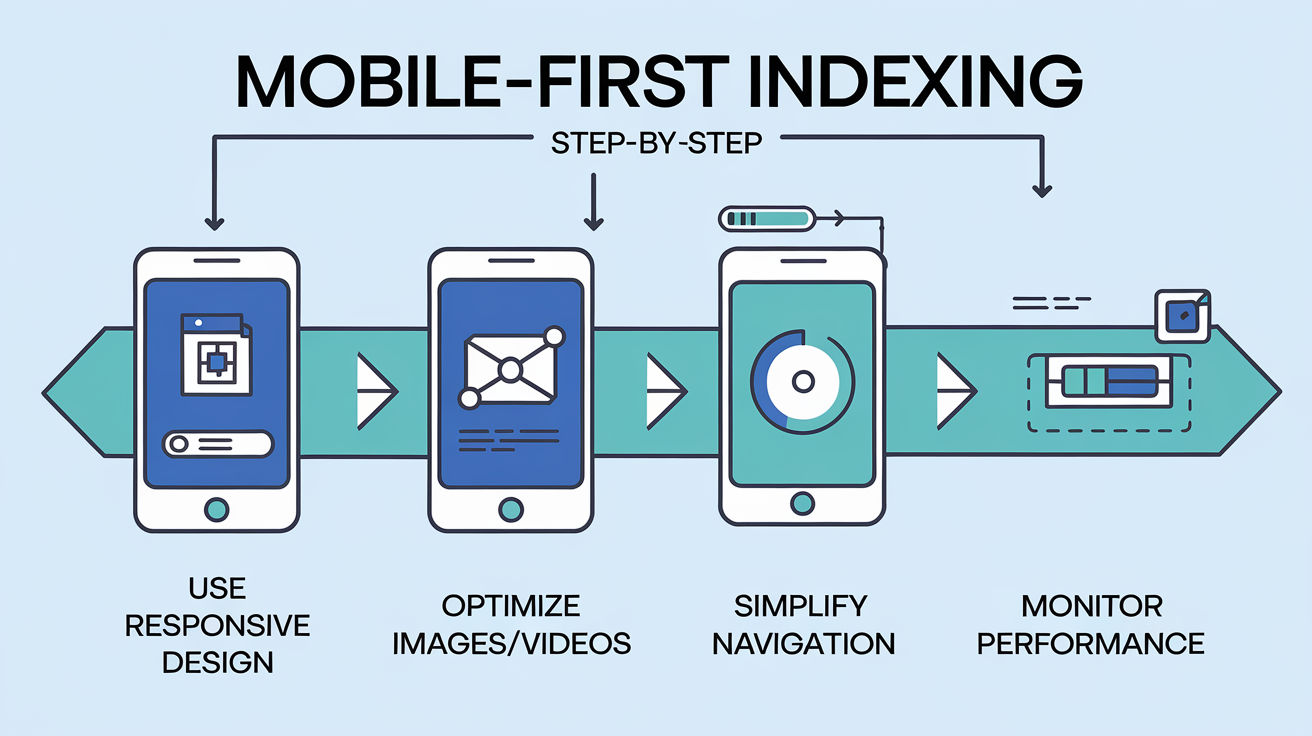
Google now uses mobile-first indexing, meaning it predominantly uses the mobile version of your site for ranking and indexing. Optimize your website for mobile devices to improve your rankings. Mobile optimization is no longer optional; it is essential.
- Use responsive design to enhance the mobile experience.
- Optimize images and videos for faster loading times.
- Simplify navigation for mobile users.
- Test the mobile-friendliness of your site with the Mobile-Friendly Test.
- Continuously monitor and improve mobile performance using the latest SEO tricks.
If you still need to choose a website platform, this review of an AI website builder shows how mobile-responsive templates, built-in SEO tools, and clean layouts support long-term search performance. If you are creating a new site quickly, these AI website builders for beginners can help you test simple options before paying.
Enhance User Engagement

Engaging your visitors can reduce bounce rates and increase the time spent on your site, both positive signals for search engines. Focus on creating interactive and engaging content to keep your audience hooked. User engagement can significantly influence your SEO performance.
- Use interactive elements like quizzes and surveys.
- Encourage comments and discussions on your blog posts.
- Implement live chat support for real-time assistance.
- Regularly update your content to keep it fresh and relevant.
- Offer incentives for user engagement, such as contests and giveaways.
SEO Tips for Consistent Google Rankings: Leverage Video Content

One of the best SEO tips for consistent Google rankings is to use video content, which can greatly boost your website’s visibility and engagement. It engages users, keeps them on your site longer, and conveys complex information. Including videos in your Search Engine Optimization tips and tricks can lead to higher engagement and better rankings. For a broader overview of strategy and structure, this SEO guide from HubSpot explains how content, links, and on-page work together.
- Create high-quality, informative videos relevant to your audience.
- Optimize video titles and descriptions with targeted keywords.
- Use video transcripts to improve SEO and accessibility.
- Embed videos on your website and share them on social media platforms.
- Encourage viewers to like, comment, and share your videos.
How to Apply These SEO Tips for Consistent Google Rankings in 30, 60 and 90 Days
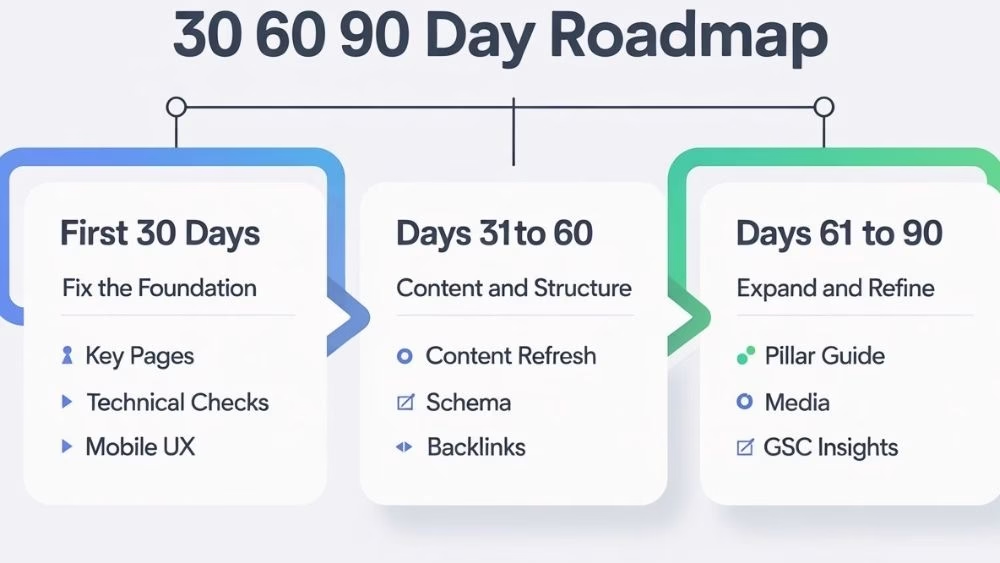
Reading advice is easy; applying it across weeks feels harder. A simple 30/60/90-day roadmap turns scattered SEO tips for consistent Google rankings into a clear plan. You can move through it slowly, adjust the pace, and repeat the cycle whenever your site grows.
1) First 30 days: Fix the Foundation
- Focus on 5–7 key pages:
Pick your most important posts or landing pages. Improve titles, meta descriptions, headings, and internal links so each page clearly answers one main intent and points visitors to the next step.
- Clean basic technical issues:
Run a technical audit with any reliable tool. Fix broken links, update redirects, and make sure all key pages use HTTPS. These simple tasks stop small errors from blocking future progress.
- Improve mobile experience:
Open each key page on your phone and scroll as a new visitor. Adjust fonts, spacing, buttons, and image placement so reading feels comfortable without zooming or sideways scrolling.
- Organise your content plan:
List your main topics and decide which need pillar pages and which need supporting posts. This list will guide your writing and updating work over the next 60 days.
2) Days 31–60: Strengthen Content and Structure
- Refresh 3–5 older posts in depth:
Add new sections, better examples, and updated screenshots where needed. Improve introductions and conclusions so they set expectations clearly and guide readers toward useful next steps.
- Add schema markup to key pages:
Choose two or three articles that suit the FAQ or How-to schema. Implement structured data carefully, test it, and then watch Search Console for any changes in impressions or rich results.
- Build early authority with simple backlinks:
Look for a few relevant sites or blogs where a guest article or mention makes sense. Offer helpful, original content that truly fits their audience, and include a contextual link back to your most useful page.
- Improve internal linking within clusters:
Connect related posts so readers can move from broad overviews to specific guides. Add links inside natural sentences instead of piling them awkwardly at the end.
3) Days 61–90: Expand and Refine
- Create one pillar guide and two supporting posts:
Choose a high-value topic and write a detailed pillar article. Then add two supporting posts that answer narrower questions or compare tools. Interlink all three pieces so they behave like a mini hub.
- Add richer media to at least one article:
Embed a short explainer video, infographic, or interactive checklist. Make sure it directly supports your main message, rather than acting as decoration that slows the page.
- Let Search Console shape new ideas:
Check which queries already bring impressions to your content. Create one new article that directly targets a cluster of those phrases, including their related questions and variations.
- Review your progress and adjust the plan:
Compare current metrics with day one. Note which pages improved, which tasks felt heavy, and which gave the best results. Use those insights to design the next 90-day cycle in a way that suits your time and energy.
Conclusion
Search keeps evolving, yet the core principles stay steady when you follow clear SEO tips for consistent Google rankings through a simple 30, 60, and 90-day plan. Each small action you take, from improving UX to tightening internal links, makes your site clearer, faster, and more helpful for visitors and search engines. Before you think about advanced SEO, follow this step-by-step Google Business Profile setup guide so your local listing looks complete and trustworthy on Search and Maps.
Treat UX, content quality, keyword clusters, and technical health as ongoing habits rather than one-time fixes. Regular refreshes of key posts, thoughtful on-page tweaks, and calm, consistent tracking gradually attract more visitors and keep them returning. With that rhythm in place, your visibility grows, your audience deepens, and your website stays ready for new opportunities in the years ahead.
FAQS
How many SEO tips should a beginner follow first?
Starting with everything at once feels overwhelming. Focus on three basics at the beginning: user experience, helpful content, and internal linking. Once those feel stable, add more tactics one by one instead of changing everything every week.
How long do SEO tips for consistent Google rankings usually take to show results?
Most changes from the SEO tips for consistent Google rankings take several weeks or even a few months to show a clear impact. Competition, content quality, and site age all play a role. Tracking a few key pages in Search Console over time gives a realistic view rather than expecting overnight jumps.
Do small websites really need schema markup?
Schema markup is not mandatory, yet it often helps important pages stand out. FAQ, How-to, and Article schema can improve how your results appear. Applying it to a few key posts is usually enough for a small site to start.
How often should old blog posts be updated for SEO?
Review your most important posts every three or four months. During each review, fix outdated details, add one or two new insights, improve headings, and add fresh internal links. These small refreshes keep content relevant without constant rewrites.
Can a site grow with long-tail keywords alone?
Long-tail keywords often bring highly targeted visitors with clear intent. Many small sites build strong traffic by covering these specific phrases in depth. Over time, this cluster approach can also help you slowly appear for broader terms.
Are backlinks still necessary if the content is strong?
Helpful content is essential, yet backlinks still act as important trust signals. A few relevant, natural links from good sites can support rankings for competitive topics. Building relationships and creating link-worthy resources remains worth the effort.
How often should I check SEO metrics?
Checking metrics daily creates stress without extra clarity. Weekly or bi-weekly reviews usually work well. Look at impressions, clicks, and positions for a short list of key pages instead of watching every tiny fluctuation.
Do social media shares directly affect rankings?
Social signals do not act as direct ranking factors. They still help indirectly because they bring visitors, improve brand recall, and sometimes lead to organic backlinks. Sharing your best guides regularly is still a smart habit.
Do I need to hire an SEO expert to see results?
Many small sites grow well with self-managed SEO. Start with basics like UX, content, and internal links. If tasks feel too technical or time-consuming, consider expert help for audits or specific projects.
What is the biggest mistake beginners make when using SEO tips for consistent Google rankings?
The biggest mistake is changing too many things at once and expecting instant results. Apply a few SEO tips for consistent Google rankings at a time, track key pages, and give changes enough weeks to show a clear pattern.