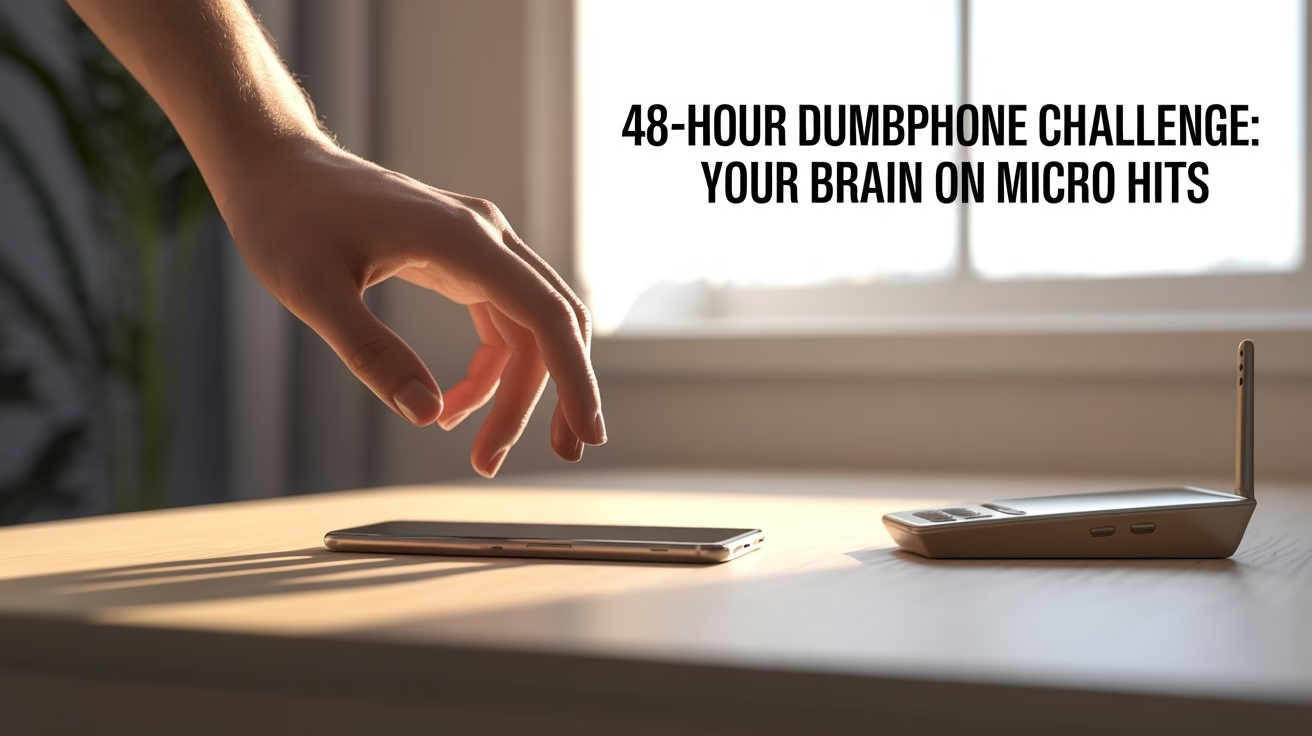
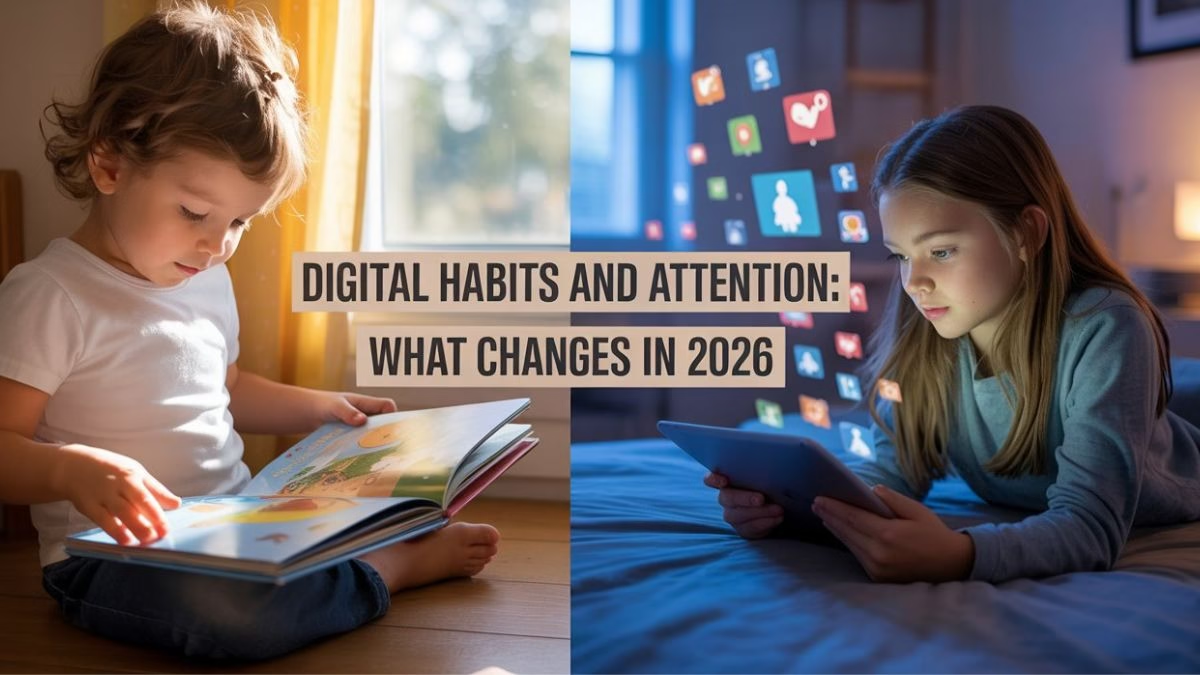
Some days, focus feels like it slips through your fingers. Notifications arrive, tabs multiply, and your mind keeps switching lanes. Digital habits and attention now shape how you work, shop, rest, and even interact with the people you care about. The shift can feel small in the moment, yet it shows up later as mental noise, lighter sleep, and a constant urge to “just check.”
A calmer digital life does not require extreme rules. It comes from noticing the patterns, choosing better defaults, and building a few gentle boundaries you can actually keep. Along the way, you’ll notice how tiny rewards quietly train the brain to keep checking, and how prediction-led systems can steer decisions when you feel tired or rushed. A two-day reset and a few smarter defaults can bring focus back without turning life into a strict rulebook.
What’s Changing in 2026
The Shift: Digital life in 2026 feels smoother, yet constant prompts pull attention in small, frequent ways.
The Driver: Micro-rewards keep the brain engaged, while personalized feeds and shopping reduce the natural pause before making a choice.
Do This Today: Today, turn off non-essential alerts, move distractors off the first screen, and set two check-in windows.
Weekend Reset: Try a short reset for one weekend and add one helpful pause before purchases or scrolling.
More tech, lifestyle, and modern-habit reads are available on The Digital Priyanka.
Why Attention Feels Fractured Right Now

Attention breaks into pieces when your brain expects tiny rewards on repeat. A banner preview, a new comment, a fresh reel, a quick refresh. Consequently, your mind stays on standby, waiting for the next cue. A typical evening looks innocent at first. One “quick check” turns into reading a thread, then watching one short clip, then refreshing again because your brain expects another tiny reward. Suddenly, twenty minutes disappear, and the mind feels oddly restless instead of relaxed.
Researchers often describe this as a variable-reward design, where the next “hit” feels unpredictable, so the brain keeps checking. The American Psychological Association has discussed how these reward patterns can strengthen compulsive behavior and reduce sustained focus.
- Notifications train urgency. Therefore, mute anything non-essential. Many people feel calmer within a day.
- A crowded home screen triggers wandering. So, keep only the tools upfront. Everything else can stay hidden.
- Task-switching drains energy. Instead, finish one step first. Then move to the next.
- Tiny checks stack up. Hence, set two check-in windows. Stick to them for one week.
A Simple Reset That Proves What’s Happening
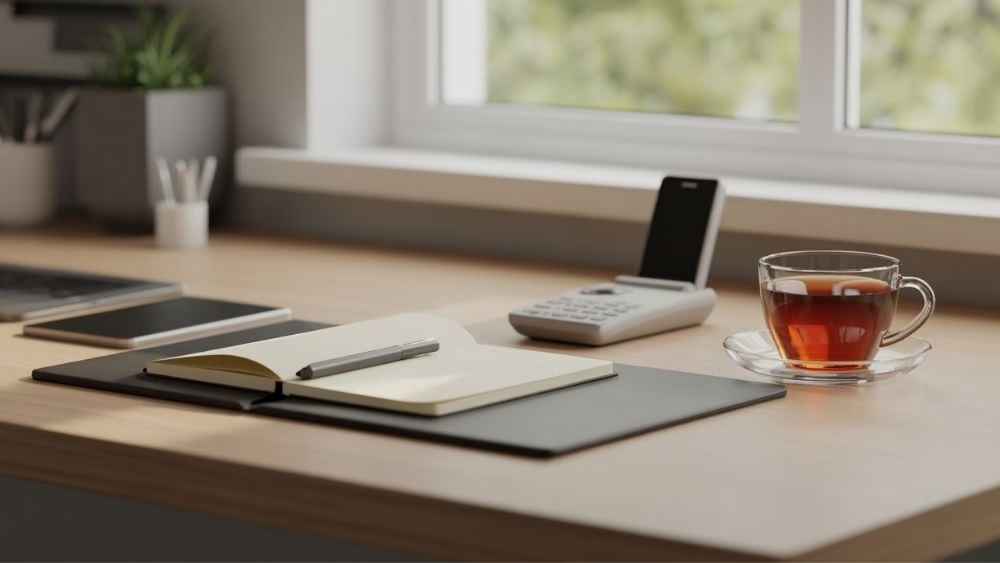
A short reset works because it removes stimulation long enough for your mind to settle. Suddenly, time feels wider. Also, you start noticing the exact moment your hand reaches for the phone. That awareness matters, since you can’t change a habit you can’t see.
This idea aligns with what Harvard Health Publishing has shared about stress and overstimulation. When quick hits pause, your nervous system often relaxes faster than expected. If a two-day reset feels doable, 48-Hour Dumbphone Challenge: Your Brain on Micro Hits walks through the exact steps and the small changes people notice first.
- Keep essentials. Calls and texts can stay. Maps can stay if needed.
- Remove feeds. Short videos and casual browsing go first. Your mind often stops “asking” for them.
- Plan two work windows. Use a laptop briefly. Then close it and return to real life.
- Expect cravings early. They peak quickly. After that, they soften.
When Prediction Replaces Choice

Shopping has changed quietly. Search used to start the process. Now, recommendations often start with it. As a result, you can feel nudged toward a purchase before you even name the need. It often starts with something small, like opening an app to track an order. Then a “picked for you” tile feels perfectly timed, and a quick scroll becomes a cart. The purchase feels effortless, yet the decision barely gets a moment to breathe. That speed can blur intention, especially when the design removes the natural pause that used to exist during search. Consumer-behavior researchers often call this a form of choice architecture, where small design cues shape what feels “easy,” so decisions happen faster than your reflective brain can catch up.
This shift appears in many reports on AI-driven personalization, including industry research from McKinsey and discussions from the World Economic Forum about automation and consumer behavior. Zero-Click Shopping: AI Orders Without Search breaks down how auto-suggested shopping works and how to keep convenience without losing control.
- Treat suggestions as ideas. They are not instructions. Pause and ask what you actually came to do.
- Reduce impulse pathways. Remove one-click buying. That small pause restores control.
- Review subscriptions monthly. Auto-replenishment can quietly drain budgets. A quick check prevents that.
- Reset personalization sometimes. Clear shopping-app histories. Your feed should serve you, not steer you.
The Cost of Convenience Most People Don’t Notice

Convenience saves time. However, it can also remove the pauses that protect good decisions. Personalization skips the “search moment,” so the brain gets fewer chances to reflect. Research on decision-fatigue suggests repeated micro-choices can weaken self-control later in the day, which helps explain why evenings often feel harder than mornings.
Over time, that can create decision-fatigue and mental clutter, even on days that look simple. A common example shows up at night: the brain feels tired, yet it keeps making tiny choices like “one more video” or “one more product scroll.” The next morning, the to-do list feels heavier, not because it grew, but because the mind never got a clean break from micro-decisions.
The National Institutes of Health has published and referenced work on cognition and the cost of constant small decisions. This helps explain why scrolling can feel “relaxing” in the moment, yet draining afterward. Still, the fix stays gentle. It’s about choosing friction in the right places.
- Add a pause before purchases. Create a 24-hour rule for non-essentials. Many people buy less and regret less because the pause cools the impulse.
- Remove saved cards in shopping apps. It adds a thoughtful beat that changes outcomes.
- Label spending once a week. Planned or impulse. Clarity grows quickly.
- Protect sleep boundaries. Phone-free bedrooms help. Better rest improves attention the next day.
Small Changes That Restore Clarity Fast

Clarity returns through environment, routine, and defaults. First, make distractions harder to reach. Next, make calm habits easier to start. Then, let your settings support you instead of fighting you.
Tools like Google Digital Wellbeing and Apple Screen Time make the pattern visible: how often you pick up the phone, where time disappears, and which apps pull you back the fastest. Once the pattern is visible, changing it stops feeling like guesswork. Digital Detox: Stop Late-Night Scrolling Tonight offers a simple plan that feels realistic on busy days.
- Use two message windows. Morning and evening work well. Outside that, keep the phone away.
- Turn off badge counts. Visual noise triggers checking. Less noise equals less urge.
- Simplify the first home screen. You can include a calendar, notes, camera, and maps, etc. Keep entertainment out of sight.
- Create a replacement ritual. Tea, reading, stretching. Give your brain a new “quick comfort.”
Two Loops to Break, Two Loops to Build
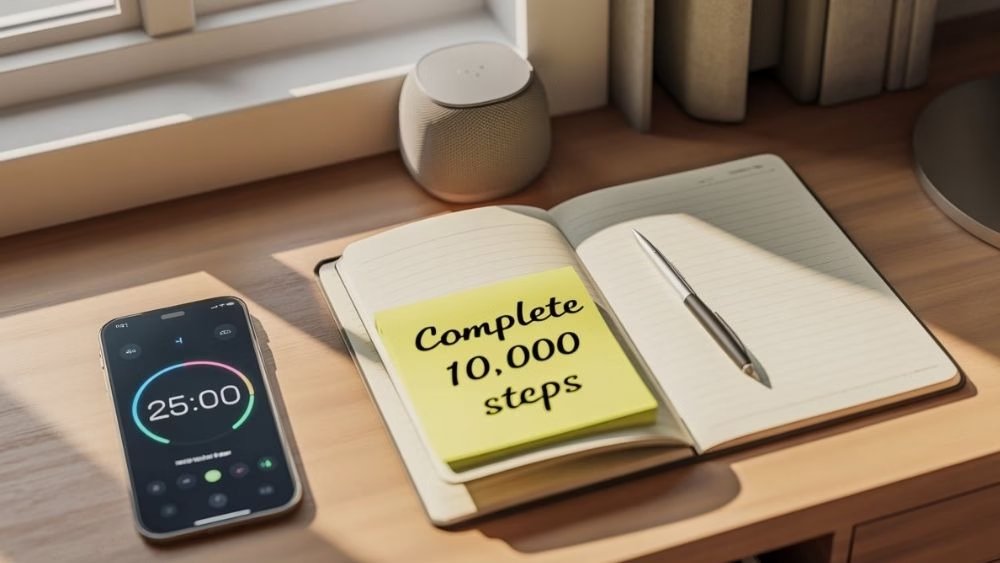
Modern distraction often runs on two loops. The first loop is the rapid reward loop. The second loop is algorithmic nudges. Break them, and attention starts returning. Build better loops, and the change sticks through busy weeks.
A two-day reset makes micro-reward patterns obvious. Meanwhile, slowing predictive shopping restores intentional choice. Smart Home Routines: The Do-Nothing Home Era shows how a few low-effort automations can reduce mental clutter and make evenings feel lighter.
- Break the cue and reward cycle at the trigger. Disable autoplay. Remove social apps from the first screen.
- Build calm cues. Set one focus block daily. Keep it short and consistent.
- Break predictive buying. Remove one-click options. Use wish lists before checkout.
- Build spending defaults. Decide what counts as “planned.” Follow that rule for a month.
Where Digital Behavior Is Heading Next
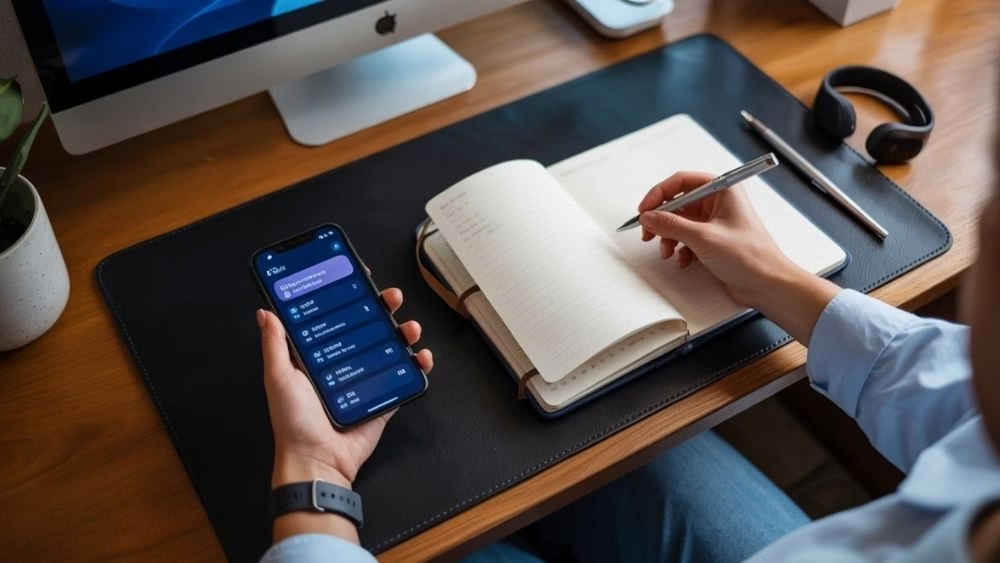
Digital life in 2026 will feel smoother, quicker, and oddly effortless in ways that can be genuinely helpful. However, the same systems that remove friction can also increase the number of subtle prompts you respond to each day, from recommendations that feel “perfectly timed” to reminders that keep you checking. As automation expands, attention becomes the new cost of convenience, so personal boundaries start acting like a quiet form of self-respect.
Pew Research Center has highlighted rising concerns around technology, autonomy, and how people experience digital life. That matches what many readers feel: tech is useful, yet the constant pull feels exhausting. The next era rewards people who choose their defaults early and review them often.
- Review your settings monthly. Subscriptions, notifications, and personalization. Small audits prevent big drift.
- Create one offline anchor daily. A walk, cooking, and reading. It trains steadiness.
- Keep automation helpful, not bossy. Let it reduce chores. Don’t let it shape decisions.
- Ask one honest question weekly. “Where did attention go?” The answer guides your next boundary.
Conclusion
Better focus comes from small choices that feel kind, not strict. You can keep modern tools and still stay calm. With a few pauses, cleaner defaults, and one short reset, attention stops feeling borrowed and starts feeling owned again.
If attention feels unusually difficult for weeks despite good sleep and healthy routines, consider talking with a qualified professional, since medical and mental-health factors can play a role. Otherwise, start simple: try one boundary for seven days, then adjust. Consistency beats intensity, especially when digital habits shape daily life. Readers interested in personality-based online ideas can also explore passive income by zodiac sign for a fun way to match digital income ideas with natural working styles.
FAQs
What do digital habits and attention mean in everyday terms?
It refers to how phone checks, notifications, feeds, and app defaults shape focus and decision-making. You’ll notice it in task-switching, sleep quality, and impulse spending. Small boundaries often create calmer attention within days, not months.
Why do micro-reward habits feel so hard to stop?
They rely on unpredictable rewards, so your brain keeps checking for the next small “hit.” Therefore, willpower alone can feel tiring. A short reset works because it removes cues and rewards long enough for cravings to soften naturally.
What is the simplest change that improves focus quickly?
Set two daily message windows and mute non-essential notifications. Then move distracting apps off the first home screen. As a result, your mind stops scanning constantly. Many people feel more settled within a week.
How does predictive shopping affect buying decisions?
Recommendations can trigger desire before you name the need. Consequently, purchases happen faster and feel automatic. Adding a delay rule, removing one-click buying, and reviewing subscriptions monthly restores intentional choice and reduces spending regret.
Can the 48-hour reset work with a busy schedule?
Yes. Keep calls, texts, and essential tools while removing feeds and casual browsing. Also, plan two short laptop windows for critical tasks. This keeps life moving while reducing stimulation, which often brings calmer attention.
What kind of “friction” helps without feeling restrictive?
Supportive friction adds a small pause at the decision point, like removing saved cards or turning off one-click buying. Similarly, keeping the phone out of the bedroom protects sleep. These changes feel light, yet improve control.
How can someone tell the difference between real need and a recommendation nudge?
A real need usually has context, such as replacing something running out or solving a specific problem. A nudge often feels sudden and vague. Therefore, ask “What problem does this solve today?” If the answer feels thin, wait.
What makes a “replacement ritual” stick when scrolling used to fill the gap?
A good replacement ritual starts fast, feels calming, and stays easy. For example, tea, a short walk, or ten pages of a book work well. Also, keep it visible, because what you can see becomes what you choose.
Why does attention improve when the bedroom becomes phone-free?
Sleep becomes deeper when your brain stops expecting late-night stimulation. Consequently, mornings feel clearer, and irritability drops. The room starts signaling rest instead of reward. A simple rule like “phone charges outside” can change things quickly.
How can someone keep AI convenience while staying intentional?
Keep automation for chores, then slow it down for decisions. For example, let reminders and routines run, yet add pauses for purchases and content feeds. Review defaults monthly, use wish lists, and keep message windows, so the choice stays yours.