
Phone cravings usually hit hardest while waiting, switching tasks, or sitting in silence. Those tiny moments expose how often attention gets pulled by quick rewards instead of real need. A 48-hour dumbphone reset strips away the rewards while keeping communication intact, so the pattern becomes obvious.
During my first attempt, the loudest urge landed in the 4-to-8-hour window. Calls and texts still worked, yet the absence of feeds made the habit loop feel almost invisible. Over two days, most people move through predictable phases, from reflex checking to a calmer baseline. With simple rules and a return plan, the smartphone comes back as a tool rather than a trigger. Explore more habit-focused ideas in the e-lifestyle category and keep The Digital Priyanka (TDP) bookmarked.
Who This Challenge is For
This challenge is for people who feel mentally busy due to frequent phone checking and want a short reset without quitting technology. It focuses on awareness, habit interruption, and attention recovery rather than productivity pressure.
Phones reward attention in short bursts, which trains the brain to seek constant stimulation even during quiet moments. That loop explains why checking feels automatic instead of intentional. Research and design experiments around this behavior, including Google’s Digital Wellbeing experiments, show how small interface changes can reduce compulsive interactions and restore awareness.
Quick Snapshot: What Happens in 48 Hours
Hours 1 to 3 bring reflex checking without reward and that odd blank feeling.
Hours 4 to 8 intensify cravings and bargaining, especially during idle minutes.
Hours 9 to 24 open space for deeper focus and calmer processing.
Hours 24 to 48 reveal clearer triggers and a steadier baseline.
What “Micro Hits” Really Are, And Why The Brain Wants Them
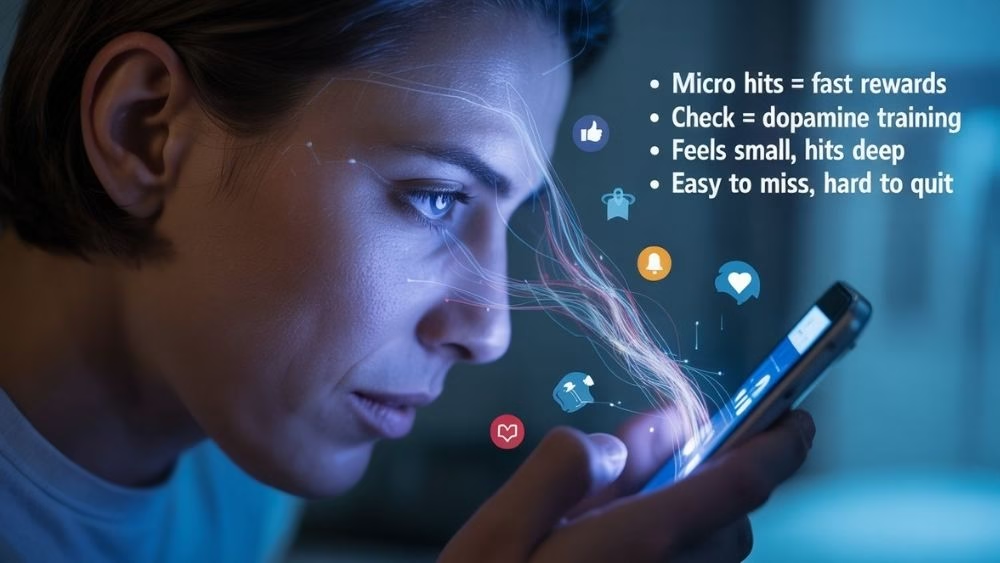
Micro hits are tiny rewards delivered fast. A notification preview, a like, a new post, a refresh that might bring something new, or checking a lock screen “just to see” teaches the brain to expect reward any second. Even when nothing appears, checking reinforces the loop.
These hits feel strong because they arrive during boredom, uncertainty, awkward pauses, loneliness, and stress. Over time, the phone becomes a quick emotional exit rather than a tool. If you want a reliable foundation, start with how dopamine reinforces repeated behaviors, then read Stanford Medicine’s explanation of the addictive pull of social platforms in simple language.
Micro hits train anticipation, so the urge appears before you even choose it.
Unpredictable rewards keep checking alive because the next refresh might deliver something.
Idle moments become trigger moments, which is why waiting feels harder than working.
Awareness lowers the urge quickly because it turns the reflex into a visible pattern.
The 48-Hour Dumbphone Challenge Rules That Make It Doable
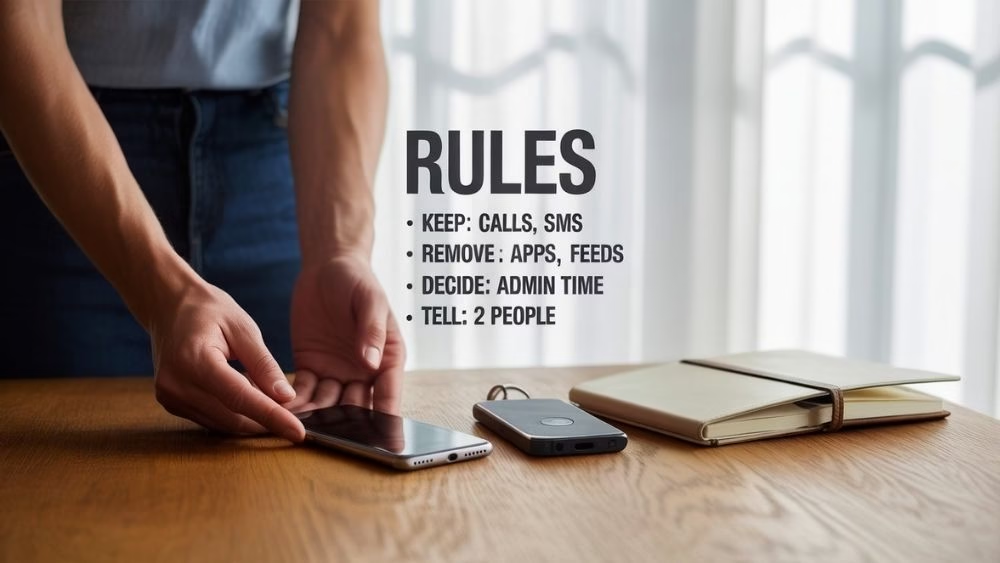
A two-day experiment works best with clear rules. Vague rules invite negotiation, and negotiation drains energy.
Use this simple setup:
Keep calls, SMS, maps, camera if needed, music if needed, banking if needed.
Remove social apps, short video, news feeds, shopping feeds, casual browsing, and games.
Choose one daily laptop window for essential admin, such as work email or school forms.
Tell two people in advance, one for accountability and one for emergencies.
If you want a lighter warm-up first, use your late-night scrolling plan to build a cutoff habit. That makes the 48-hour reset feel much smoother.
Clear rules reduce decision fatigue when cravings spike.
A laptop window keeps life moving without opening the scrolling loop.
Accountability helps when the brain tries to bargain.
A fixed start and end time make the reset feel real and contained.
Hour By Hour: What the Brain May Do in the First 48 Hours
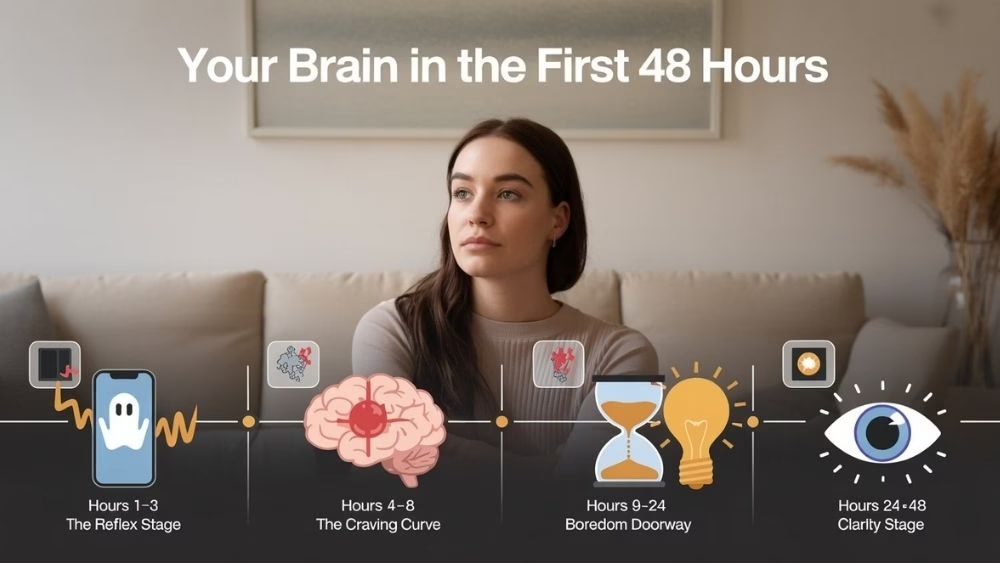
Most people expect instant relief. The first phase often feels edgy or restless. That reaction means the brain is adjusting to fewer rapid rewards.
a) Hours 1 to 3: The Reflex Stage
Your hand reaches automatically. Then nothing opens. Mild irritation, restlessness, or blankness can show up. Phantom buzz sensations are common.
Keep the dumbphone in one consistent spot so you stop searching for it. This removes extra friction and reduces repeated checking.
Replace the micro hit with a micro action, like water, a short walk, or a two-minute tidy. Small movement breaks the loop faster than willpower.
Write one line: “What was I avoiding right now?” The question turns a craving into information.
Use a simple environment cue like a book on the table or a notepad nearby. The cue gives your brain the next step that feels obvious.
b) Hours 4 to 8: The Craving Curve
This is the loud phase. The brain bargains for “five minutes.” The urge can feel physical, like hunger.
The American Psychological Association explains how constant input overload creates strain and mental fatigue, which matches why this stage feels intense. See their overview on media overload and stress.
Set a three-minute timer and wait it out. Most urges rise, peak, and fall quickly once you stop feeding them.
Move the phone out of sight immediately. Visual access keeps the reward loop active even when you resist.
Use one physical reset, like stretching, stepping outside, or drinking water. The body shift helps the mind shift.
Write one line: “I want a hit because ___.” Naming the feeling lowers the urgency and shortens the craving.
c) Hours 9 to 24: Boredom Turns into a Doorway
Boredom feels uncomfortable at first. Soon, it creates room for deeper focus, calmer emotional processing, and better presence.
Harvard Health covers the emotional impact of doomscrolling in a readable way, and it helps explain why silence can feel awkward before it starts feeling calm.
Attention stretches longer because you stop switching inputs every few minutes. Tasks feel simpler when the brain stops expecting constant novelty.
Conversations feel fuller because half-listening drops away. That shift can feel surprisingly emotional.
Time feels bigger because scrolling no longer eats tiny chunks. Those reclaimed minutes add up fast.
Creativity returns in small ways, like planning, reflecting, or noticing the environment. The mind fills space when feeds stop filling it.
d) Hours 24 to 48: The Clarity Stage
Day two often surprises people. Urges still appear, yet they lose drama. Triggers become obvious instead of mysterious.
You notice exact craving times, which makes urges predictable. Predictable urges feel easier to handle.
You notice exact emotional triggers, like uncertainty, fatigue, or social pressure. That awareness helps you respond with a better tool.
You observe exact situations that invite checking, like elevators and waiting rooms. Those moments become practice points.
You start choosing actions with intention rather than reflex. That is the real win of the experiment.
The Brain Mechanics Behind “Micro Dopamine Hits”
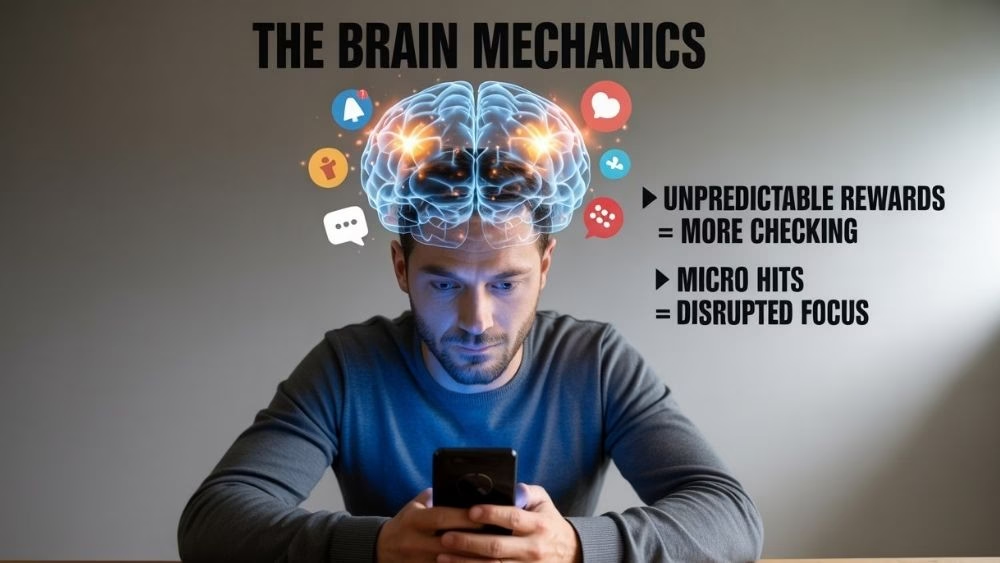
Dopamine gets talked about casually, yet the key point here is anticipation. Micro hits train the brain to expect reward, and intermittent reinforcement keeps the checking alive because rewards arrive unpredictably.
Research on reinforcement patterns and problematic smartphone use also supports why attention becomes trained for rapid switching. A useful starting point is this PubMed Central resource.
Intermittent rewards strengthen repeated checking because the next refresh might deliver something.
Fast switching becomes the default, so deep focus starts to feel heavy.
Boredom feels painful because the brain expects stimulation on demand.
A short reset creates a clean contrast, so the change becomes obvious in real time.
How To Track the Experiment Without Overthinking
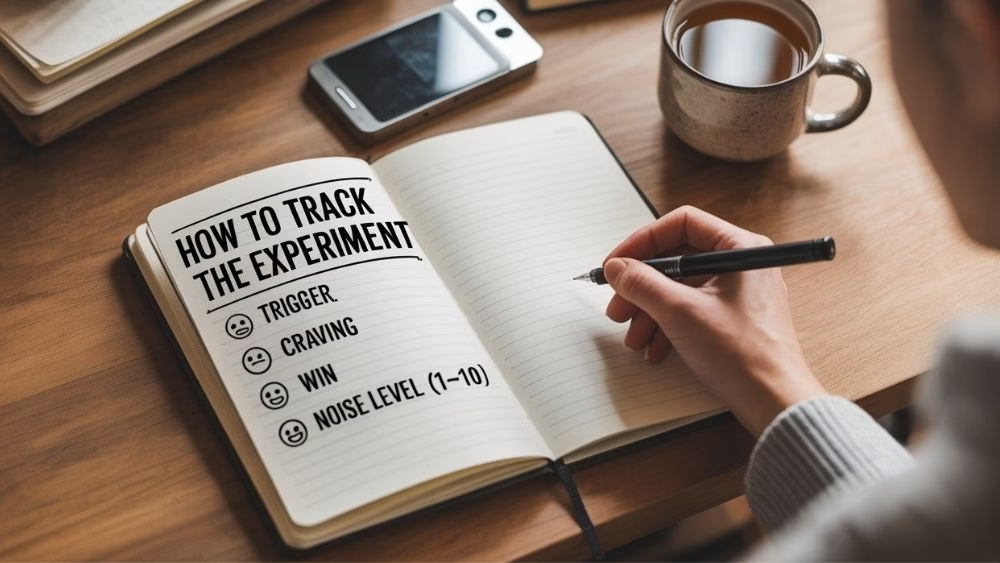
Tracking helps when it stays human and quick. A tiny log creates proof without turning the experiment into homework.
Use this twice a day:
Today’s top trigger:
Today’s strongest craving moment:
Today’s surprise win:
Optional score:Mental noise level from 1 to 10
If you like the psychology side of attention hooks, an article on neuromarketing techniques connects the dots in a practical way.
A small log makes patterns visible without obsessing over metrics.
One surprise win keeps motivation alive when cravings appear.
A simple score captures progress even when the day feels messy.
Two check-ins keep the experiment grounded and consistent.
A Workday-Friendly Version: Keep Life Moving While You Reset
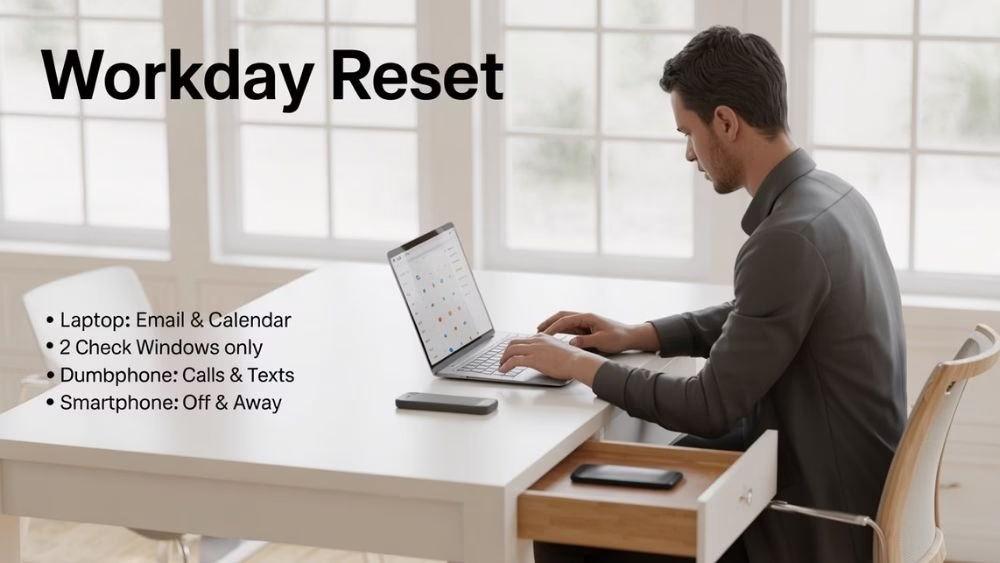
Work often lives inside the phone, so the reset needs realistic boundaries.
Try this setup:
Use a laptop for essential email and calendar checks.
Set two fixed check windows, morning and late afternoon.
Keep the dumbphone for calls and texts.
Power off the smartphone and store it away.
Device tools help maintain boundaries after the reset: Apple Screen Time and Android Digital Wellbeing both support limits and bedtime modes.
Scheduled windows prevent constant checking without blocking real responsibilities.
A powered-off phone breaks reflex behavior more effectively than “silent mode.”
Simple communication stays available for family and work.
Tools support long-term change once the experiment ends.
The Comeback Plan: Return to a Smartphone Without Sliding Back
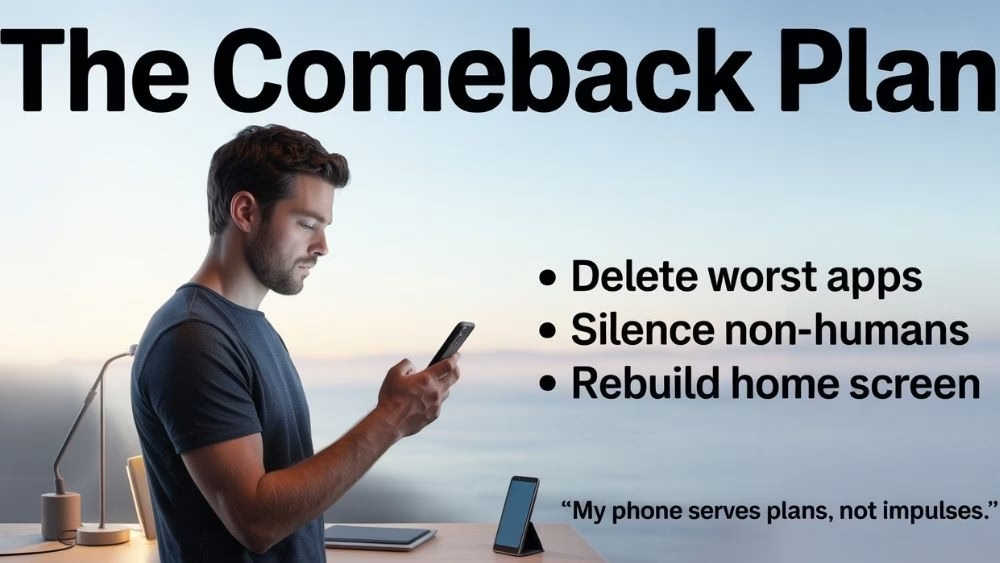
The return matters as much as the break. Without a plan, the old loop tries to return quietly.
Use this three-step return:
Remove the highest trigger app first.
Disable non-human notifications, keep calls and messages.
Rebuild the home screen so tools sit on page one and entertainment sits deeper.
If wearable tracking helps you notice sleep and stress shifts, pair the habit change with your coverage of the smart ring trend 2025 or the Fitbit Charge 6 review.
Removing one high trigger app lowers cravings faster than vague restrictions.
Notification control reduces interruption and mental noise immediately.
Home screen friction prevents accidental tapping into feeds.
Tracking sleep and stress can make progress feel concrete and motivating.
Why Micro Hits Feel Comforting in the Moment

Micro hits rarely feel like a problem while they happen. They feel like a relief. A quick check can soften boredom, cover awkwardness, calm uncertainty, or add a spark when the day feels flat. The brain chases relief, and the phone offers it fast.
Once you notice the pattern, the reset becomes less about fighting and more about reading the moment underneath. The urge turns into a signal rather than a command, and that shift creates real control.
Cravings often appear right after a micro stressor, like waiting or switching tasks. Naming the feeling reduces the pull.
Feeds can mimic connection, yet real messages satisfy more deeply. One direct text often quiets the urge faster.
A two-minute reset, such as water, stretching, or stepping outside, can provide the same relief. The relief feels cleaner and leaves no spiral behind.
Boredom acts as a turning point. The first wave feels itchy, then calm often follows.
A One-Moment Test That Makes It Real
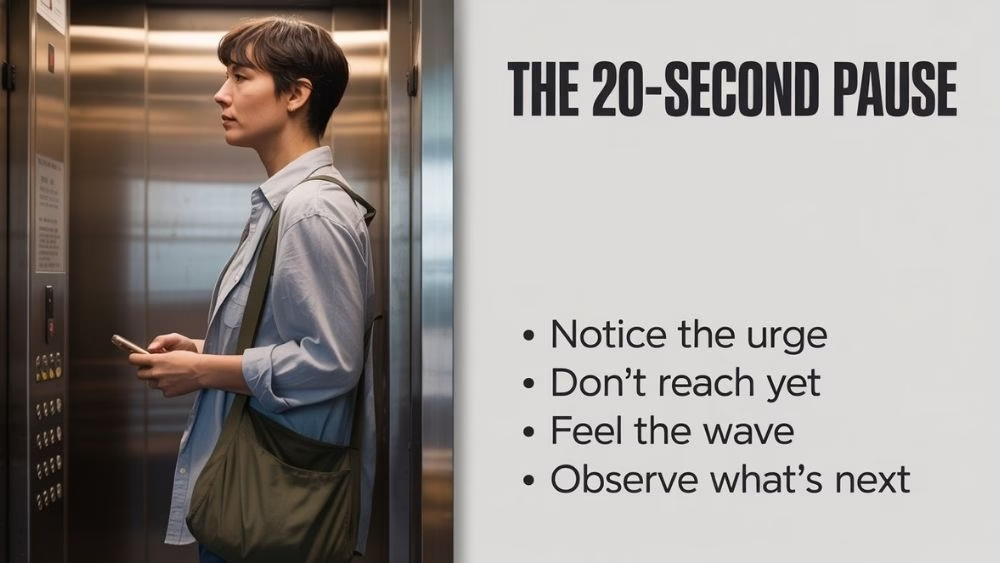
Try one small preview of the 48-hour dumbphone challenge. Next time the urge hits while waiting, pause and ask, “What sensation am I trying to escape?” Sit with it for twenty seconds without checking. Discomfort rises first, then softens, then turns into calm or curiosity.
Try it in a queue or elevator where the reflex shows up fast. The goal is awareness, not perfection.
Keep the phone in your bag for those twenty seconds. Small friction breaks the reflex.
Notice what the mind does next, such as observing surroundings or thinking clearly. That shift shows what micro hits interrupt.
Repeat it three times in one day. Predictable urges feel easier to manage.
What Changes After 48 Hours
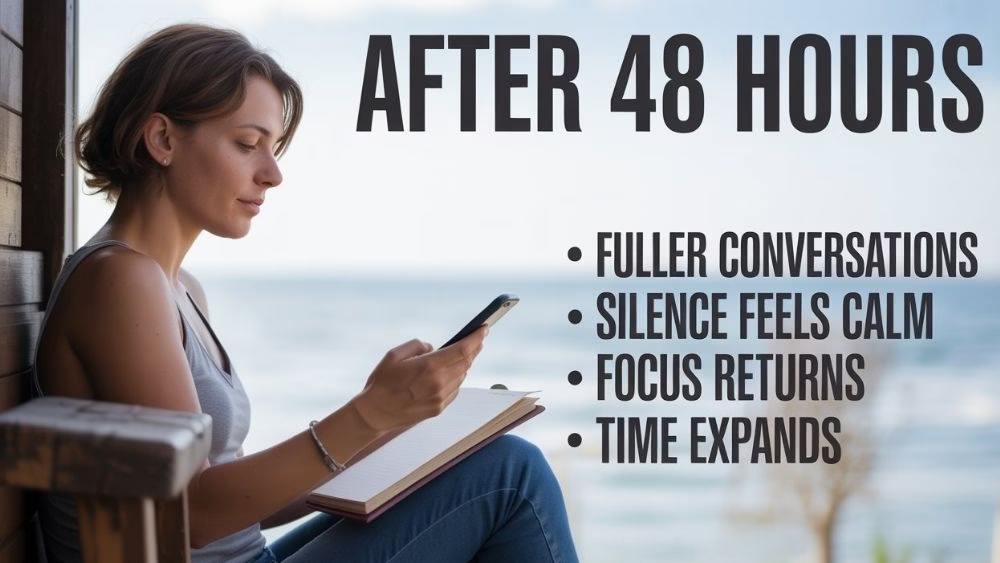
This reset does not change personality. It changes what the brain gets rewarded for. When the drip of micro-rewards stops, attention settles, and time feels less chopped up. Many people notice a deeper presence and a quieter confidence.
Conversations feel fuller because half-listening drops away. Presence improves quickly when checking stops.
Silence feels comfortable because the nervous system stops expecting constant stimulation. Calm starts to feel natural.
Focus becomes smoother on one task because interruptions drop. Finishing work feels easier than starting it.
Time feels bigger because scrolling no longer steals small chunks. Those chunks add up satisfyingly.
Seeing Your Attention Clearly Again
The point of this experiment is clarity. Two days away from micro hits shows what attention has been responding to and why. Start with a simple ruleset, track cravings lightly, and return with a comeback plan that protects your focus.
Explore more ideas in The Digital Priyanka (TDP) e lifestyle section and share this post with someone who keeps saying, “I cannot stop checking.” Change spreads faster when it becomes a shared experiment.
FAQs
What is the 48-hour dumbphone challenge?
It is a two-day reset where you keep calls and texts while removing feeds and casual browsing to observe cravings and rebuild healthier screen habits.
What counts as micro hits during phone use?
Micro hits include notification previews, likes, refreshes, short videos, and checking “just to see.” Unpredictable rewards keep the brain checking.
What phone should be used for the challenge?
Any basic phone that supports calls and texts works. Maps and banking can stay if essential, since the goal is to remove feeds and casual browsing.
Can this challenge work with a full-time job?
Yes. Use a laptop for essentials in two planned windows and keep the dumbphone for calls and texts. Power off the smartphone and store it away.
What withdrawal feelings show up on day one?
Restlessness, irritability, phantom buzz sensations, and strong urges during idle moments are common. A short replacement habit, like walking, can reduce spikes.
Will this improve focus and attention span?
Many people notice smoother focus because micro interruptions drop. Results vary, yet one lasting boundary afterward often protects gains.
What if WhatsApp or email is needed for family or safety?
Keep essentials but control access. Disable group notifications, avoid browsing, and schedule a laptop window for email to keep the phone simple.
How do you avoid relapse after the 48 hours end?
Set return rules before switching back. Remove one high-trigger app, disable non-human notifications, and add friction to entertainment access.
What is the best way to track results without overthinking?
Use a tiny log twice a day with top trigger, strongest craving moment, surprise win, plus a one to ten mental noise score.





I commit implementing it . It speaks to the needs of our generation
Thank you, Mitali. That is exactly the point. Small resets can make a real difference when daily life starts feeling too noisy.