Online orders used to start with a clear decision: open a site, search, compare, click, pay. Today, zero-click shopping slowly erases that pattern. In 2026, that line feels blurred as apps remember favorites, quick-commerce delivers in minutes, and smart assistants move closer to placing orders before you even think about them.
This shift feels exciting and uneasy at the same time. Convenience grows, yet control can slip away quietly. This guide walks you through zero-click shopping in simple language, so you understand how it works, where it already shows up in daily life, and how to enjoy the speed without living with constant “tap, pay, regret” feelings.
Zero-click shopping is already evident when apps save payment details, predict refills, and trigger reorders with a tap or sometimes without one. Grocery quick commerce, marketplace repeat buys, and subscription smart refills push this habit forward in small steps.
The real issue is control, since convenience feels great until a purchase happens faster than you can think. This guide stays practical: where these flows appear, what data makes them work, and which guardrails keep spending calm.
Quick takeaway: saving time should still feel clear and intentional.
More practical breakdowns like this are available on The Digital Priyanka, where future-focused e-commerce changes get explained in simple language.
What Does Zero-Click Shopping Actually Mean?
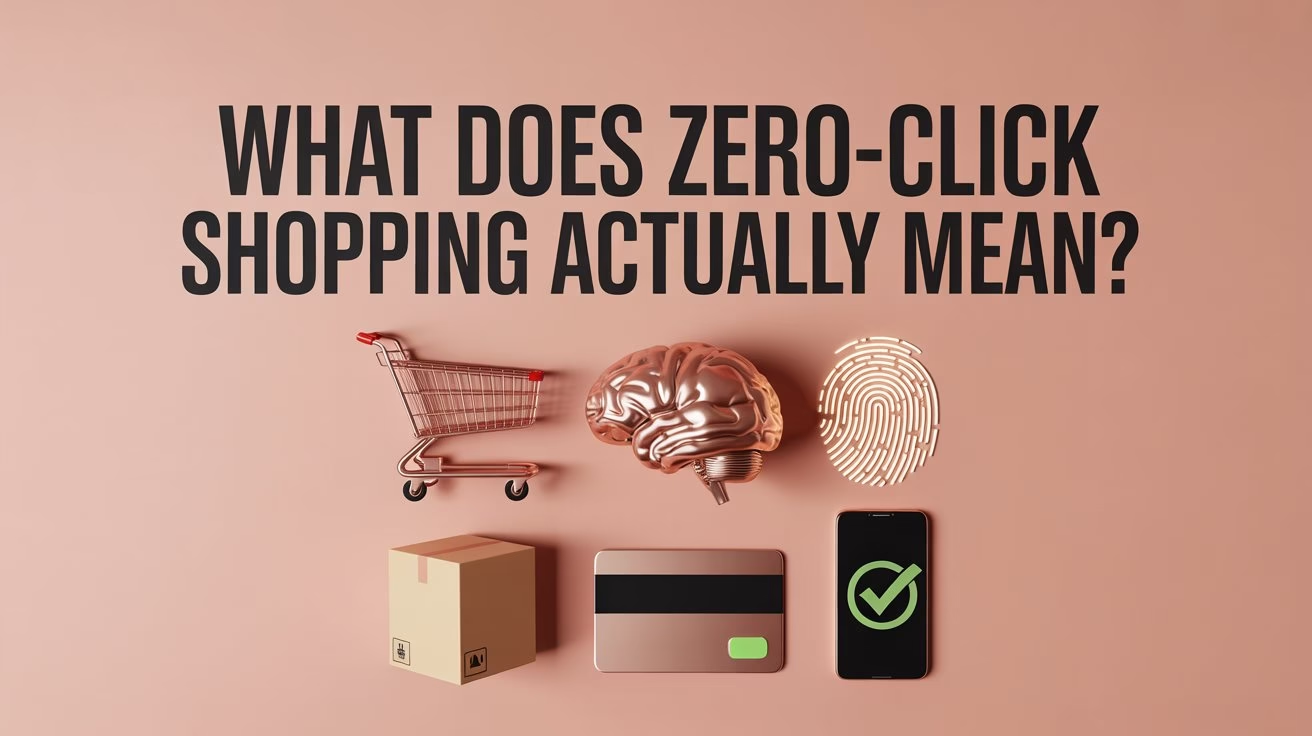
Zero-click shopping describes a world where AI, context, and saved details remove most steps between “need” and “order placed”. Autonomous ecommerce systems predict needs, surface the right product, and complete checkout with almost no manual input.
- Fewer taps, deeper automation: Instead of filling out forms or switching between dozens of tabs, shoppers see pre-filled carts, suggested bundles, and one-tap approvals. The system quietly pulls from past behavior, location, and time of day to guess what feels right.
- Personal data drives each suggestion: Browsing history, previous orders, wish lists, and even quick-commerce habits power these predictions. With every delivery accepted, algorithms learn which price, brand, or size you choose in real life. Similar prediction-based systems show up in finance too, and this guide on quantum trading strategies 2026 explains how data signals shape decision-making.
- Checkout hides in the background: Payment details, delivery addresses, and preferences are stored. Frictionless checkout tools aim to remove visible obstacles so the buying moment feels almost invisible.
- Shopping becomes a quiet loop: Subscriptions, auto-refills, and smart alerts can keep essentials flowing without fresh decisions each time. That loop can feel helpful or heavy, depending on how clearly you set your own rules.
Why 2026 Feels Different for Online Shoppers
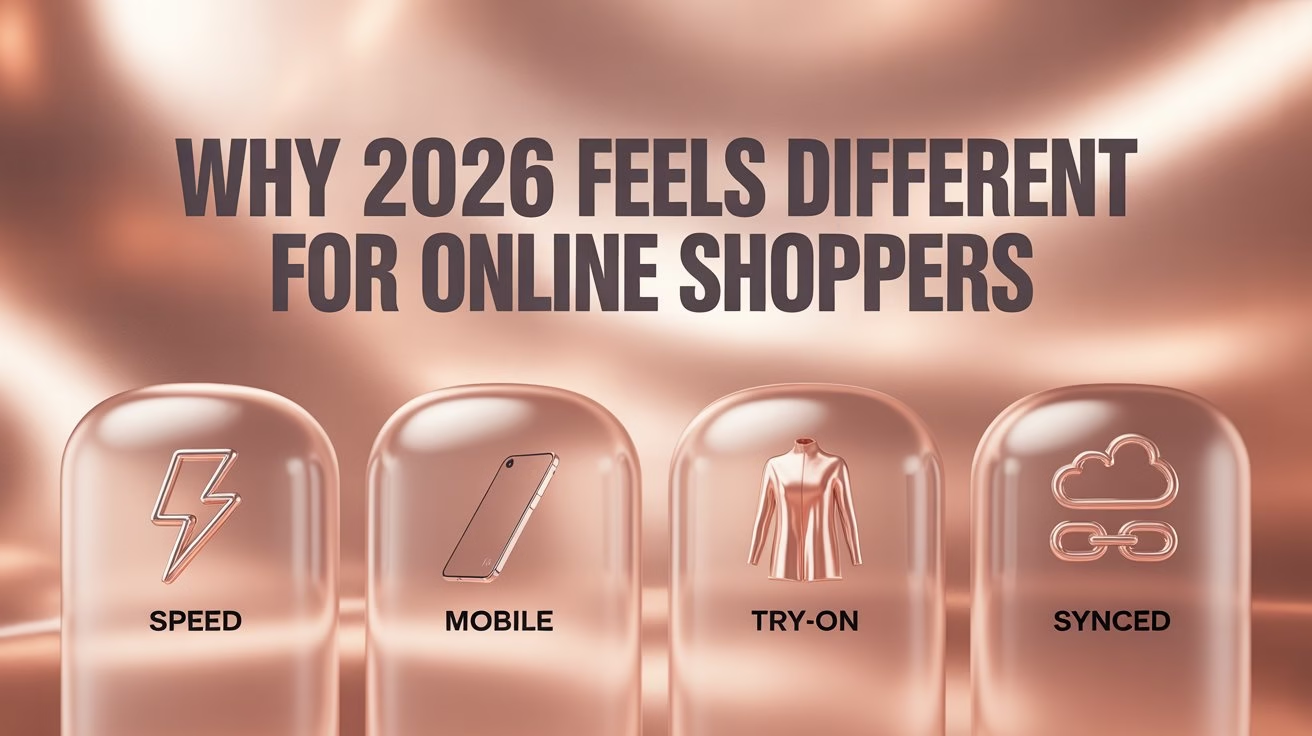
Digital shopping has always evolved fast, yet 2026 adds a different type of pressure. Fast delivery feels normal, one-click checkout appears on almost every serious store, and quick-commerce promises groceries or gadgets in ten to fifteen minutes.
- Speed expectations keep rising: After same-day delivery came ten-minute grocery runs, and now electronics, beauty products, and even premium devices arrive through quick-commerce partners. Once that rhythm sets in, waiting two days feels outdated.
- Phones act as default shopping malls: Social feeds, Stories, and Reels double as storefronts. One swipe shows products, one more opens checkout, and AI nudges help fill in the rest. Shopping blends into scrolling, so decisions happen faster.
- Virtual try-ons reduce doubt: Features like Google’s virtual apparel try-on make clothes feel easier to buy online, because shoppers see how outfits sit on real bodies. Less doubt at the fitting stage means quicker moves towards payment.
- Invisible systems link everything: Behind the scenes, connected checkout platforms tie websites, apps, wallets, and loyalty data together. That invisible layer gives zero-click experiences the power to feel seamless across different channels.
How AI Learns and Orders Before You Do
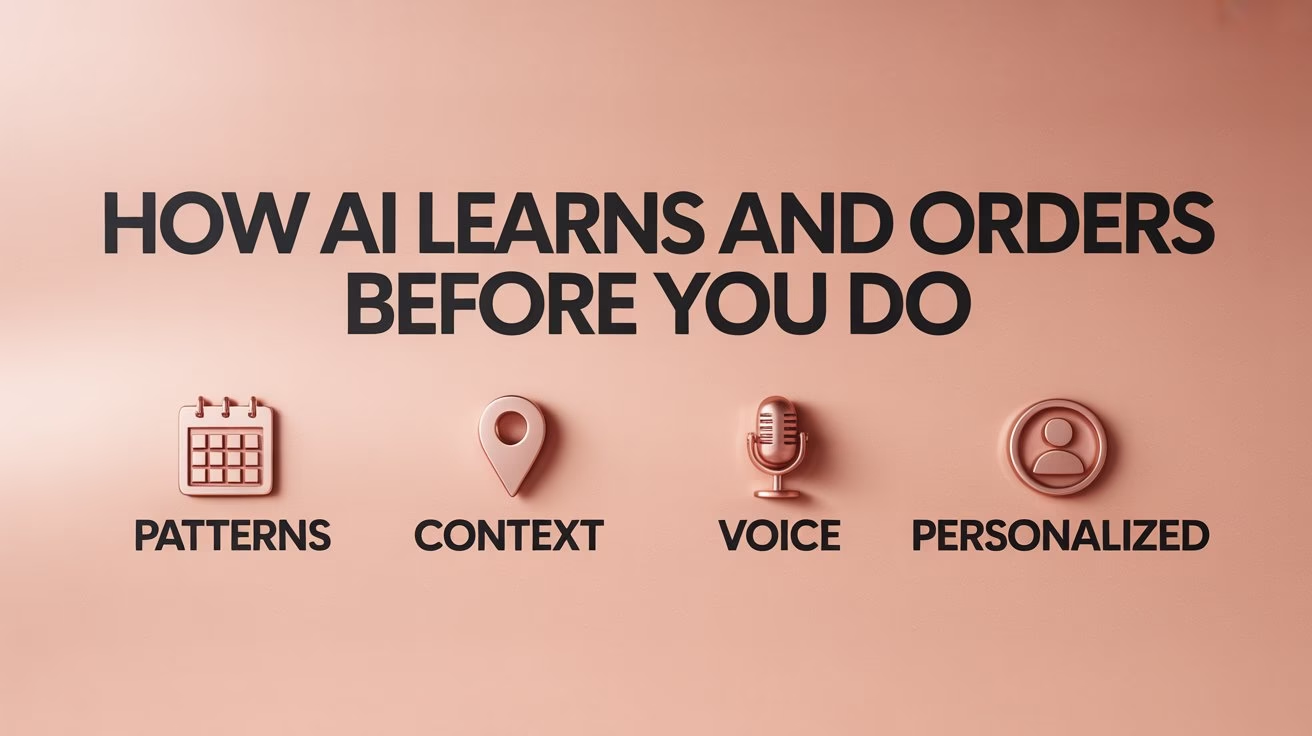
AI shopping assistants no longer sit as simple chatbots in a corner of a page. New systems watch patterns, test recommendations, and gradually predict needs with surprising accuracy. That intelligence fuels zero-click shopping in very practical ways.
- Behavior turns into quiet rules: If someone orders snacks every Friday night or refills pet food every three weeks, algorithms notice. Over time, the system offers pre-built carts, subtle reminders, or auto-refill options that match those hidden rhythms.
- Context shapes product suggestions: Location, device type, weather, and even festival seasons influence what appears on screen. AI can surface umbrellas during monsoon, luxury hampers during Diwali, or office supplies at month-end.
- Voice and assistants close the gap: Smart speakers and digital concierges turn spoken intent into completed orders. Some platforms already allow automatic purchases when prices drop below set limits, using stored payment details and delivery addresses.
- Predictions feel personal, not abstract: When recommendations clearly match taste, size, and budget, shoppers drop their guard. That comfort makes instant approvals easier, which deeply strengthens the zero-click model in 2026.
Real-Life Examples You Already See Today
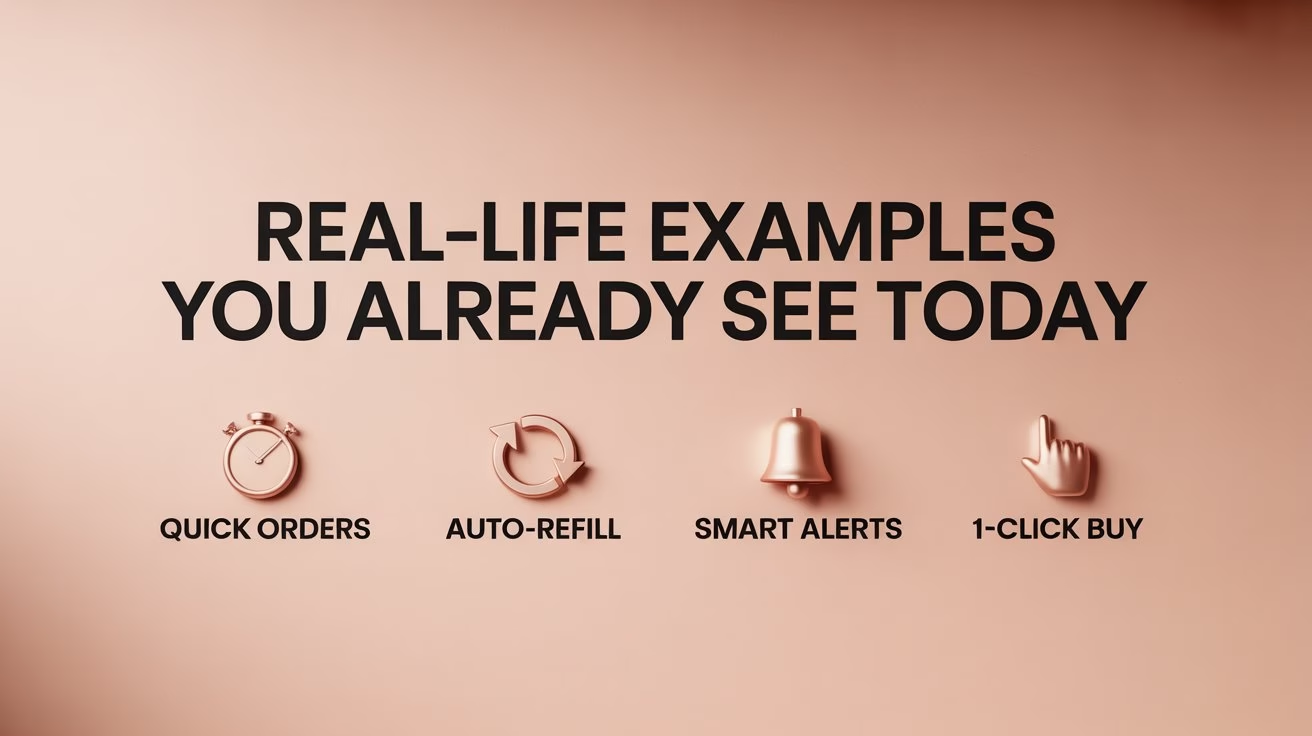
Zero-click shopping sometimes sounds like science fiction, yet regular habits already show hints of it. When you look closely at daily routines, many actions sit just one tiny step away from full automation.
- Quick-commerce impulse orders: Ten-minute delivery from grocery apps or hyperlocal players encourages fast decisions. Once favorites stay pinned and payment remains saved, one tap can move essentials from cart to doorstep in record time.
- Subscriptions and auto-refills: Streaming services, beauty boxes, and household refills charge cards on schedule. Unchecked subscriptions quietly keep running, which feels close to a robot placing orders in the background.
- Smart assistants that monitor prices: New features in voice assistants track wish lists, send alerts when prices fall, and, in some cases, place orders automatically after reaching chosen thresholds. That bridges the last gap between interest and purchase.
- One-click buttons across serious stores: E-commerce trend reports show strong encouragement for one-click checkout, mobile wallets, and frictionless payment flows as standard practice. Once those patterns spread, entire customer segments expect instant payments everywhere.
For deeper context on how these flows link with content and design, resources on SEO tips and conversion-friendly layouts from a detailed SEO strategy guide and a liquid web design explainer give helpful background from a wider digital perspective.
Benefits When Zero-Click Shopping Works in Your Favor
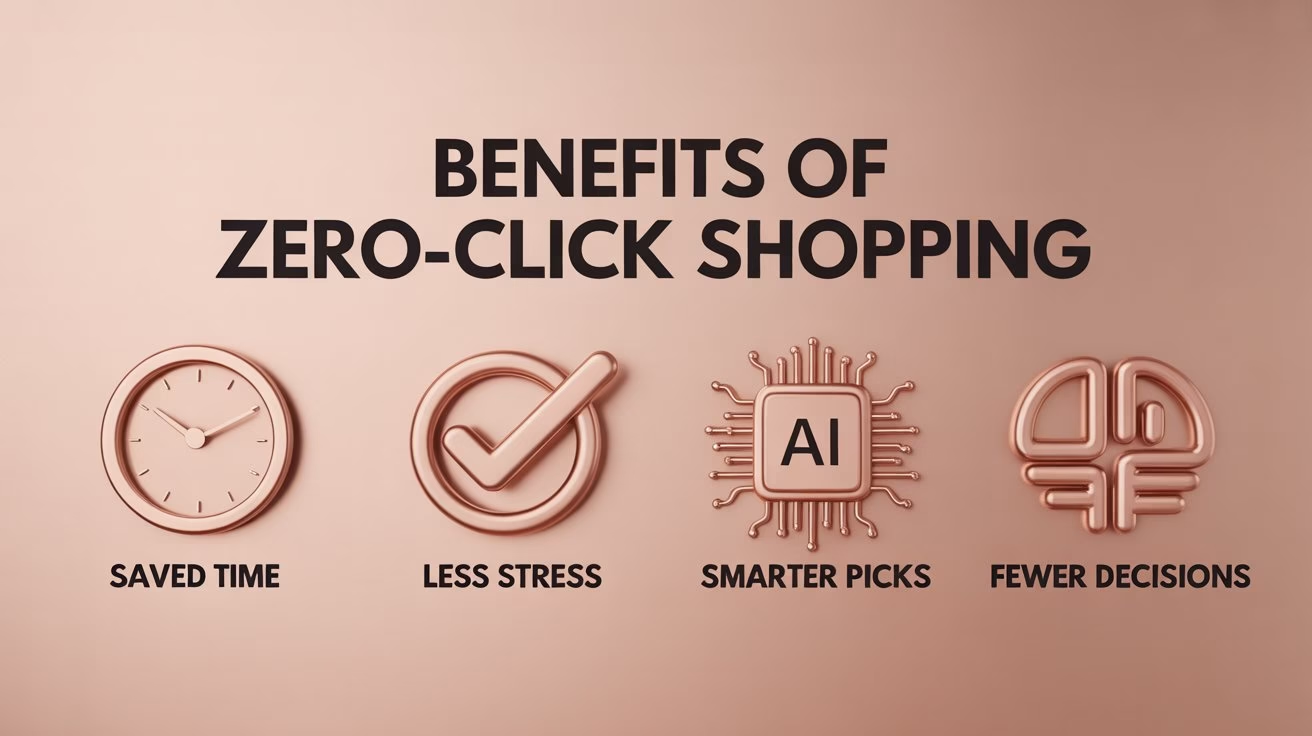
This new pattern also brings risk. Used thoughtfully, zero-click shopping can lower stress, save time, and make life smoother. The key lies in keeping the human in charge while letting machines handle repetition.
- Time savings on boring tasks: Essentials like groceries, cleaning supplies, or repeat medicine can recharge emotional energy when handled on autopilot. Automation frees evenings and weekends for rest, family, or creative work instead of constant errands.
- Less friction when life stays busy: Fast checkout pays off when a workday runs long or a festival week feels packed. In those moments, one-tap orders, saved favorites, and pre-approved payments reduce the mental load that usually comes with long to-do lists.
- Better match between needs and suggestions: Strong AI assistants behave like patient store guides. Wearables push this even further, and the smart ring trend 2025 shows how daily signals can shape what people buy and when. They can remember preferred fits, recurring brands, and budget bands, so new recommendations feel genuinely relevant instead of random product spam.
- Reduced decision fatigue over time: Once reliable patterns form, you stop questioning every small purchase. That calm brings more space for big decisions, long-term planning, and creative thinking about money, work, or online business goals.
Hidden Risks: Tap, Pay, Regret
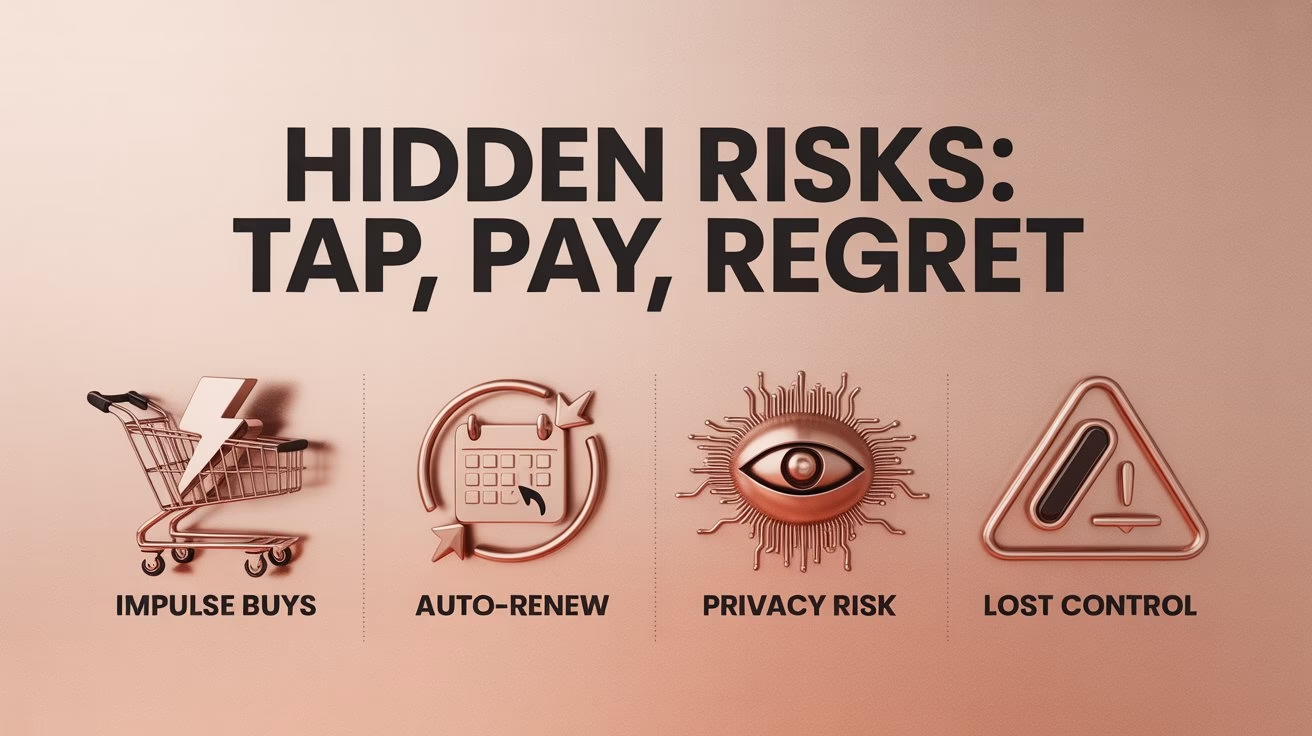
Every powerful system carries a shadow side. Zero-click shopping becomes dangerous when convenience hides the cost, when “just this once” repeats weekly, or when privacy and security stay vague.
- Impulse orders feel easier than breathing: When quick-commerce and one-click checkout combine, emotional triggers meet instant execution. Q-commerce research shows that ultra-fast delivery strengthens impulsive buying for low-priced items and treats.
- Subscriptions quietly drain budgets: Streaming, cloud tools, fitness apps, and replenishment plans add up. Auto-renew toggles, free-trial conversions, and vague billing descriptions turn monthly statements into stress instead of support.
- Data use rarely feels transparent: Frictionless checkout systems work best when data flows freely between platforms. Industry analysis highlights that AI-driven invisible checkout raises serious concerns around privacy, profiling, and security, even as it boosts convenience.
- Control slips when defaults go unchecked: Saved cards, pre-selected “subscribe and save” boxes, and dark patterns tilt the interface towards “yes”. Without active review, shoppers slowly hand over control without realizing what they agreed to.
For creators and entrepreneurs, articles on ethical marketing psychology from a neuromarketing-focused resource can deepen this awareness on the content and branding side as well.
Calm Rules to Stay in Control of Zero-Click Shopping
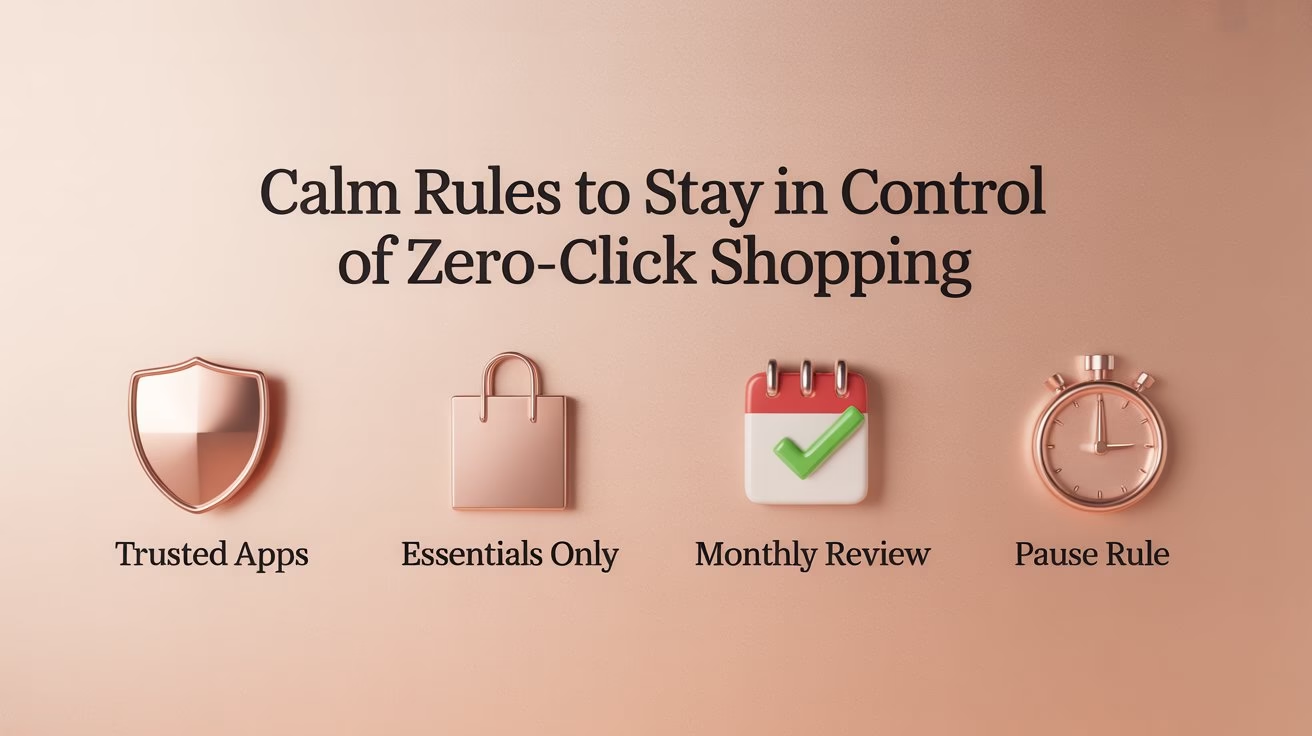
Zero-click shopping will grow stronger across 2026 and beyond. Control returns when you decide how far automation goes, which apps earn trust, and where manual steps stay non-negotiable.
- Create a “green list” of trusted apps: Select a small set of platforms that may hold saved cards or UPI access. Keep all new or experimental stores on a stricter list that always requires full manual checkout for the first few orders.
- Reserve automation for essentials: Allow auto-refill options only for products that truly repeat: basic groceries, hygiene, pet food, or medicines suggested by professionals. Treat everything else as a conscious choice that deserves fresh attention.
- Schedule one “subscription review” day each month: Pick a fixed date to read through subscriptions, free trials, and auto-renewal plans. Cancel anything that no longer serves current goals, and switch off default renewal where possible.
- Use simple mental rules at checkout: For non-essentials, a 24-hour pause works well. Add items to the cart, step away, and then decide the next day. That short distance cuts emotional decisions and lets logic re-enter the room.
A broader framework for thoughtful digital decisions appears in resources like a Google Business Profile setup guide, where structured routines replace random moves. That same mindset supports healthy shopping habits, too.
What Does Zero-Click Shopping Mean for E-Business Owners?
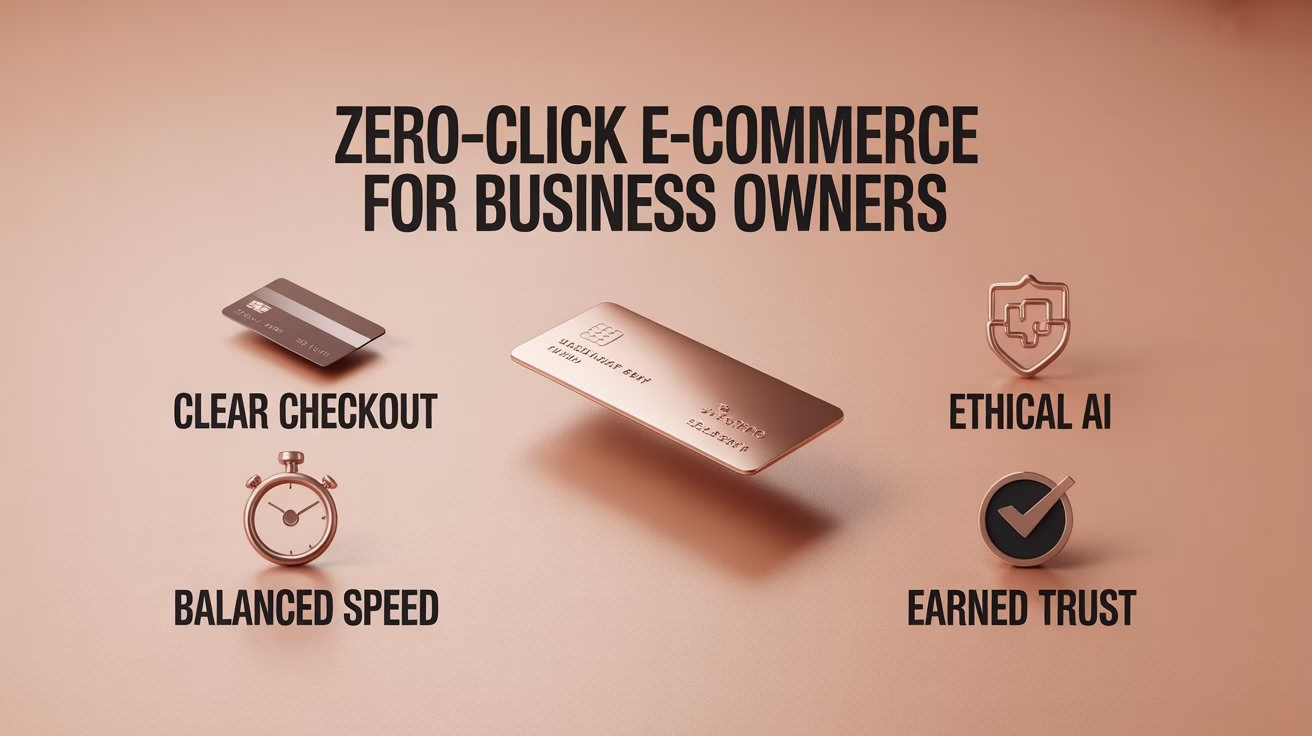
Every shopper also plays other roles: creator, side-hustler, freelancer, or founder. Zero-click shopping changes how people buy and reshapes how serious e-business owners design their systems. If you plan to build similar flows in your own store, this step-by-step guide to e-commerce automation walks through the key processes that keep everything running smoothly in the background.
- Design frictionless checkout without hiding the truth: Research on frictionless shopping encourages smooth flows and minimal steps, yet also stresses the importance of trust, clarity, and transparent communication about data use and security.
- Use AI assistants with clear guardrails: AI shopping assistants from leading platforms show how personalization, comparison help, and post-purchase support can lift satisfaction when used ethically. The same pattern applies to independent e-businesses that respect consent. To support these flows, you can review the top e-commerce automation tools every seller should know and choose options that match your store size and budget.
- Balance 10-minute delivery with mental well-being: Quick commerce studies warn that hyper-fast delivery changes behavior, emotional regulation, and expectations around effort. Sustainable brands acknowledge these trade-offs instead of building everything around endless speed.
- Build long-term trust through content: Long-term trust grows when brands explain complex systems in clear language instead of only pushing offers. An AI-trading safety resource or similar educational content shows that you care about informed decisions, not quick clicks. Zero-click experiences feel safer when buyers understand what runs in the background. On the operations side, business automation tools that streamline success take over repetitive work so more human attention stays on support, transparency, and after-sales care.
Use Smart Convenience, Not Blind Convenience
Zero-click shopping sits at a crossroads of speed, AI, and habit. Convenience can feel like magic in a busy 2026 life, especially when quick commerce, smart assistants, and frictionless checkout remove old frustrations from every order.
The same systems can also drain budgets, blur consent, and amplify emotional spending when left on autopilot. Choosing where automation helps, where manual control stays, and which platforms deserve deep trust keeps power in human hands. Thoughtful shoppers and e-business owners together can keep zero-click shopping calm and sustainable when they stay clear on consent, spending limits, and the right moments to pause before approving an order.
FAQs
What is zero-click shopping in simple words?
Zero-click shopping means orders happen with almost no manual steps. AI predicts what you need, fills the cart, and uses saved payment details, so a tiny approval creates a complete purchase.
Is one-click checkout safe for everyday online shopping?
One-click checkout can stay safe when you use trusted apps, secure devices, and strong authentication. The real risk starts when unknown sites, shared phones, or public Wi-Fi enter the picture.
How does AI decide what to show in zero-click shopping?
AI reads patterns across past orders, browsing history, saved lists, location, and time. Those signals turn into recommendations, bundles, and pre-filled carts that match likely needs and budgets.
Can quick commerce and ten-minute delivery affect mental health?
Quick commerce encourages instant gratification and frequent small treats. Research suggests these patterns can shape impulse control, emotional regulation, and expectations around effort for everyday tasks.
How do smart shopping assistants differ from basic chatbots?
Smart shopping assistants guide decisions end-to-end. They suggest sizes, compare prices, remember taste, and support returns, while basic chatbots usually answer fixed questions or handle simple support tickets.
How can someone avoid accidental orders with saved cards?
Use trusted apps only, switch off one-tap on shared devices, and demand confirmation screens. Regularly review saved payment methods and remove details from platforms that no longer deserve that access.
What is frictionless checkout in e-commerce?
Frictionless checkout removes obvious hurdles at payment. Forms stay short, addresses fill automatically, wallets connect easily, and progress remains clear, so shoppers finish orders without confusion or repeated steps.
How often should subscriptions and auto-renewals be reviewed?
A monthly review usually works well. One fixed date each month helps cancel unused services, adjust plans, and prevent slow budget leaks from forgotten free trials and low-value recurring charges.
Will zero-click shopping replace manual online shopping by 2026?
Zero-click shopping will grow, especially for essentials and trusted brands. Manual shopping will still matter for big decisions, gifts, luxury pieces, and anything that carries emotional or financial weight.
How can e-business owners use AI ethically in checkout flows?
E-business owners can use AI for better recommendations, smarter search, and helpful reminders while keeping consent clear. Honest messaging, easy opt-outs, and visible privacy controls protect trust and long-term loyalty.